In the ever-evolving landscape of education, students often find themselves navigating a maze of information and expectations.
As they strive to achieve their academic aspirations, the importance of setting clear learning goals becomes increasingly evident.
These goals not only serve as a roadmap for their educational journey but also empower students to take ownership of their learning experiences. By fostering a supportive environment that encourages reflection and intention, educators and parents can help students work toward these essential milestones.
Understanding the significance of clear learning goals is the first step toward meaningful progress. When students articulate specific, achievable objectives, they create a sense of direction that can motivate them to engage more deeply with their studies. These goals can range from mastering a particular subject to developing essential skills like critical thinking and time management. By breaking down larger ambitions into smaller, manageable tasks, students can cultivate a sense of accomplishment that fuels their passion for learning.
Creating an environment where students feel comfortable expressing their goals is crucial. Open conversations about aspirations can lead to a greater understanding of individual learning styles and preferences. Encouraging students to articulate their goals allows them to reflect on their interests and strengths, fostering a sense of agency. This dialogue can take place in various settings, whether during one-on-one meetings with teachers or casual discussions at home. The key is to listen actively and provide guidance without imposing expectations.
A gentle shift toward balance is often necessary when students set their learning goals. It’s essential to recognize that while ambition is admirable, it can sometimes lead to overwhelm or burnout. Encouraging students to prioritize their well-being alongside their academic pursuits creates a more holistic approach to education. This balance can be achieved by promoting self-care practices, such as regular breaks, mindfulness exercises, or engaging in creative hobbies. When students learn to value their mental and emotional health, they become more resilient and better equipped to tackle challenges.
Supporting students in tracking their progress is another vital aspect of working toward their learning goals. Keeping a journal or using digital tools can help students reflect on their achievements and identify areas for improvement. This practice not only builds accountability but also fosters a growth mindset, allowing students to view setbacks as opportunities for learning rather than obstacles. Celebrating small victories along the way reinforces their commitment to their goals, creating a positive feedback loop that encourages continued effort.
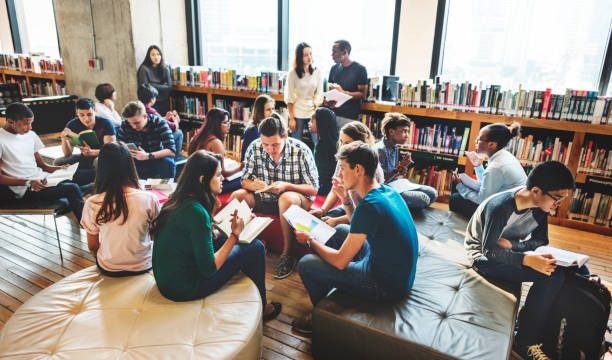
Incorporating collaboration into the goal-setting process can enhance students’ learning experiences. Group projects, study sessions, or peer mentoring can provide valuable opportunities for students to share their goals and support one another. These interactions can foster a sense of community and belonging, making the educational journey feel less isolating. When students see their peers working toward similar objectives, they are often inspired to elevate their own aspirations.
As educators and parents, it’s essential to model goal-setting behaviors. Sharing personal experiences related to setting and achieving goals can provide students with relatable examples. This transparency not only humanizes the process but also shows students that everyone encounters challenges along the way. By demonstrating resilience and adaptability, adults can instill a sense of hope and determination in the younger generation.
While it’s important for students to focus on academic achievement, nurturing other aspects of their lives is equally vital. Encouraging extracurricular activities, volunteer work, or part-time jobs can provide students with a well-rounded perspective on their goals. These experiences often teach valuable life skills, such as teamwork, time management, and leadership, which can enhance their overall learning journey. By integrating various interests and commitments, students can develop a richer understanding of themselves and their aspirations.
In today’s fast-paced world, the role of technology in education cannot be overlooked. Numerous apps and online platforms can assist students in setting, tracking, and achieving their learning goals. These tools can offer personalized learning experiences, catering to individual needs and preferences. However, it’s essential to strike a balance between utilizing technology and fostering face-to-face interactions. Encouraging students to engage in both digital and real-world experiences can enhance their overall learning and development.
As students work toward their learning goals, it’s crucial to remind them that the journey is just as important as the destination. Emphasizing the value of curiosity, exploration, and experimentation can help students appreciate the learning process itself. Encouraging them to ask questions, seek out new experiences, and embrace the unknown can lead to profound personal growth. By fostering a love for learning, students are more likely to remain engaged and motivated throughout their educational journeys.
Ultimately, helping students work toward clear learning goals is about creating a nurturing environment that values their unique paths. By fostering open communication, encouraging balance, and promoting collaboration, educators and parents can empower students to take charge of their learning. As they navigate the complexities of education, students will develop the skills and resilience necessary to pursue their aspirations with confidence and purpose. In this supportive atmosphere, students can flourish, transforming their dreams into achievable realities.