In the heart of every classroom lies a tapestry of voices, ideas, and experiences waiting to be woven together into a rich learning experience.
As educators, fostering open conversations is not just a desirable goal; it’s a vital competency that nurtures a thriving educational environment.
This article explores the teacher competencies that encourage dialogue and understanding, creating spaces where students feel safe to express themselves.
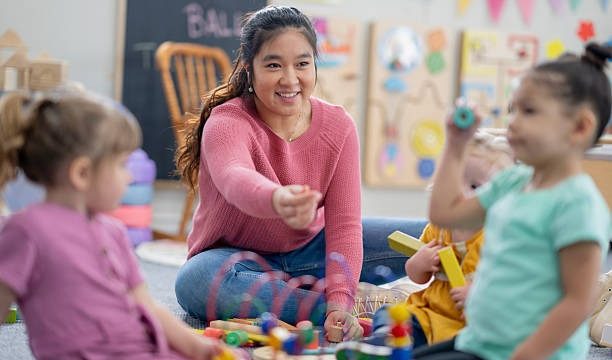
Creating a welcoming atmosphere is perhaps the first step toward encouraging open conversations. When students enter a classroom that radiates warmth and acceptance, they are more likely to engage with their peers and their teacher. This can be as simple as arranging seats in a circle or using soft lighting to create a comfortable setting. A friendly smile and an inviting tone can transform a typical classroom into a sanctuary of ideas.
Listening actively is another essential competency for teachers who wish to foster open dialogue. Active listening goes beyond hearing words; it involves truly understanding the speaker’s message and emotions. When teachers demonstrate genuine interest in what students have to say, it validates their thoughts and feelings. This practice encourages students to share openly, knowing their voices matter. Teachers can reflect on what students say, ask clarifying questions, and provide thoughtful feedback, which nurtures a culture of respect and understanding.
Cultivating emotional intelligence is also key to facilitating open conversations. Teachers who are aware of their own emotions and those of their students can navigate discussions more effectively. This includes recognizing when a student may be struggling or feeling anxious about sharing their thoughts. By acknowledging these emotions, teachers can create an environment where students feel safe to express themselves without fear of judgment. Emotional intelligence allows educators to guide conversations with sensitivity, ensuring everyone feels heard and valued.
Another important component is promoting inclusivity. A diverse classroom is a treasure trove of perspectives, and it’s essential for teachers to recognize and celebrate this diversity. When educators actively include a variety of voices, they encourage students to share their unique experiences and viewpoints. This not only enriches classroom discussions but also fosters empathy among peers. By integrating diverse materials and perspectives into lessons, teachers can help students see the world through multiple lenses, enhancing their understanding of complex issues.
Encouraging critical thinking is also vital for fostering open conversations. Teachers can create a safe space for students to question ideas and explore different viewpoints without fear of repercussions. This involves posing open-ended questions that stimulate discussion, allowing students to analyze and evaluate information critically. When students learn to think deeply and articulate their thoughts, they become more confident in sharing their opinions, leading to richer classroom conversations.
A small shift toward balance can also make a significant difference. Teachers should strive for a balance between guiding discussions and allowing students to take the lead. While it’s essential for educators to provide direction, it’s equally important to step back and let students explore their ideas. This empowerment fosters ownership of learning and encourages students to engage more fully in conversations. By creating opportunities for student-led discussions, teachers can inspire a sense of agency that enhances the educational experience.
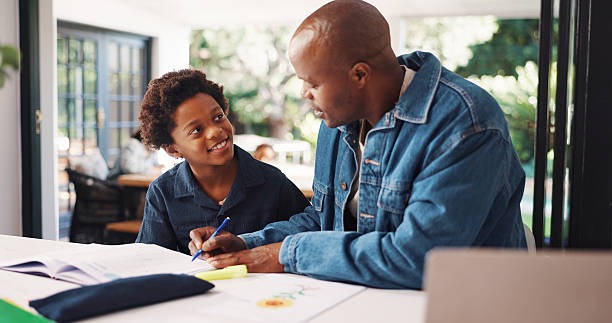
Building rapport with students is a gentle yet powerful competency that enhances open conversations. When teachers take the time to connect with their students on a personal level, it lays the foundation for trust. This can be achieved through simple gestures, like remembering a student’s interests or checking in on their well-being. When students feel that their teacher cares about them as individuals, they are more likely to open up and share their thoughts and feelings.
Encouraging vulnerability can also pave the way for open dialogue. Teachers who model vulnerability demonstrate that it’s okay to be imperfect and to share challenges. By sharing their own experiences, educators can create a safe space where students feel comfortable expressing their own struggles and uncertainties. This authenticity fosters a sense of community, reminding students that they are not alone in their experiences.
Fostering a growth mindset in the classroom can further enhance open conversations. When students are encouraged to view challenges as opportunities for growth, they become more willing to share their thoughts, even when they are unsure or afraid of being wrong. Teachers can cultivate this mindset by celebrating effort and resilience rather than just outcomes. By creating an environment where mistakes are seen as a natural part of the learning process, educators can encourage students to engage more openly in discussions.
Lastly, providing constructive feedback is an essential competency for fostering open conversations. When teachers offer feedback that is specific, actionable, and kind, it encourages students to reflect on their contributions and grow in their understanding. This practice not only enhances individual learning but also enriches group discussions, as students feel more equipped to share their insights and ideas moving forward.
In conclusion, the competencies that foster open conversations in classrooms are multifaceted and deeply interconnected. Creating a welcoming atmosphere, listening actively, cultivating emotional intelligence, promoting inclusivity, encouraging critical thinking, balancing guidance with student agency, building rapport, modeling vulnerability, fostering a growth mindset, and providing constructive feedback all contribute to a rich tapestry of dialogue and understanding.
As educators embrace these competencies, they not only enhance the learning experience for their students but also create a community where every voice is valued. In this nurturing environment, students are empowered to express themselves, share their ideas, and engage in meaningful conversations that will resonate far beyond the classroom walls.