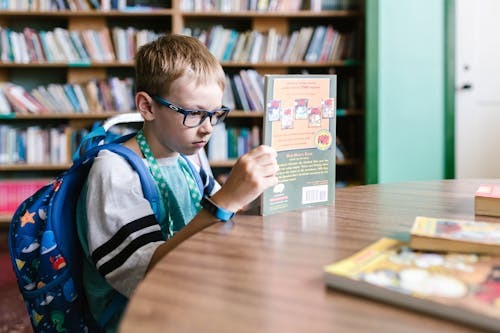
In a world bustling with information, the ability to comprehend what we read is becoming more crucial than ever.
Whether it’s navigating a social media post, understanding a news article, or diving into a complex novel, reading comprehension is at the heart of our ability to make sense of the world around us.
In educational settings, this skill takes on even greater significance, as it serves as the foundation for learning across various subjects.
The journey of education is often painted as a path filled with textbooks, lectures, and exams. However, at its core, education is about understanding and connecting ideas. Reading comprehension is not just about decoding words; it is about making meaning from those words. When students engage with texts, they are not merely absorbing information; they are participating in a dialogue with the author, reflecting on their own experiences, and forming their own interpretations. This process is essential for fostering critical thinking and analytical skills, which are invaluable not just in school, but in life.
As students progress through their educational journey, the complexity of texts they encounter increases. Early on, simple stories and basic instructions lay the groundwork for comprehension. But as students advance, they are introduced to more challenging materials—scientific texts, historical documents, and literary works that require deeper engagement. This shift emphasizes the importance of reading comprehension, as it allows students to process and analyze information, drawing connections between different ideas and concepts.
A small shift toward balance can make a big difference in how we approach reading comprehension. It’s important to cultivate a love for reading early on. When children find joy in stories, they are more likely to develop a strong foundation in comprehension skills. Reading should be seen as an enjoyable activity rather than a chore. Encouraging a diverse range of reading materials can spark interest and curiosity, allowing students to explore different genres and themes.
Moreover, discussions about books and stories can greatly enhance comprehension. When students talk about what they read, they are not only reinforcing their understanding but also learning to articulate their thoughts and opinions. This exchange of ideas is a vital part of the learning process, as it encourages collaboration and critical thinking. In classrooms, teachers can create an environment where open dialogue about texts is welcomed, fostering a sense of community and shared learning.
The role of parents and caregivers is equally important in nurturing reading comprehension. By engaging in reading activities at home, such as reading together or discussing books, families can help reinforce comprehension skills. Creating a reading-friendly environment filled with books, magazines, and other reading materials can inspire curiosity and a lifelong love for reading.
As students transition into higher grades, the implications of reading comprehension extend beyond the classroom. The ability to analyze and synthesize information is crucial for success in higher education and the workplace. In college, students are often required to read complex texts and engage in critical analysis. Those with strong reading comprehension skills are better equipped to tackle challenging coursework, participate in discussions, and write compelling essays.
In the professional world, reading comprehension continues to play a significant role. Whether it’s understanding reports, following instructions, or communicating with colleagues, the ability to comprehend written information is essential. Employers value individuals who can not only read but also interpret and apply information effectively. Thus, fostering strong reading comprehension skills can open doors to various career opportunities.
The benefits of reading comprehension extend to emotional and social development as well. Through literature, students can explore different perspectives, cultures, and experiences. This exposure fosters empathy and understanding, allowing them to connect with others on a deeper level. Reading about diverse characters and situations can enhance emotional intelligence, equipping students to navigate social dynamics more effectively.
As we consider the importance of reading comprehension, it’s vital to acknowledge the challenges some students face. Learning disabilities, language barriers, and other factors can hinder a student’s ability to comprehend texts fully. In these cases, targeted support and intervention can make a significant difference. Educators and parents can work together to identify specific needs and implement strategies to support struggling readers, ensuring that every student has the opportunity to succeed.
In recent years, the rise of technology has also transformed the landscape of reading and comprehension. Digital texts, e-books, and online articles are becoming increasingly prevalent. While these formats offer convenience and accessibility, they also present unique challenges. Students must navigate hyperlinks, multimedia elements, and varying text structures, all of which require a different set of comprehension skills. Educators can help students develop these skills by incorporating digital literacy into their curriculum, preparing them for a world where information is constantly evolving.
Ultimately, reading comprehension matters not only for academic success but for personal growth and development. It empowers individuals to think critically, engage with the world around them, and connect with others. As we continue to champion the importance of reading in education, let us remember that fostering comprehension skills is about more than just improving test scores; it’s about nurturing thoughtful, engaged citizens who can thrive in an ever-changing world.
In a society that values knowledge and understanding, reading comprehension stands as a pillar of education. By prioritizing this essential skill, we can create a brighter future for our students, equipping them with the tools they need to navigate life’s complexities. The journey of learning is lifelong, and reading comprehension is a key that unlocks countless doors along the way.