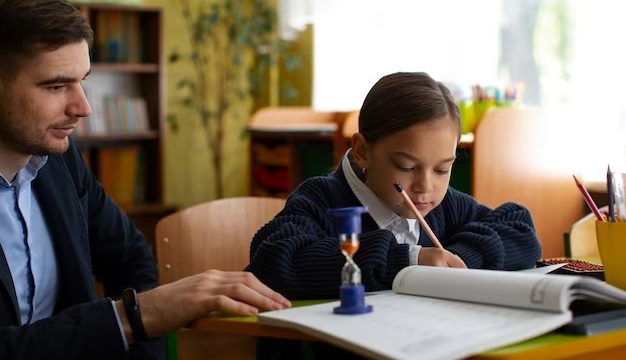
In the ever-evolving landscape of education, fostering an environment where students feel comfortable expressing themselves is more crucial than ever.
As educators, the competencies we develop can significantly influence how students communicate, share ideas, and develop their unique voices.
Encouraging student expression isn’t merely about teaching; it’s about creating a nurturing space where students feel seen and heard.
Creating a welcoming atmosphere is the first step toward encouraging student expression. When teachers cultivate a classroom environment that radiates warmth and acceptance, students are more likely to share their thoughts and feelings. This can be as simple as greeting each student by name, taking time to listen to their stories, or incorporating their interests into lesson plans. Such gestures, though seemingly small, can have a profound impact on how students perceive their value within the classroom.
A gentle approach to fostering open communication can also be seen through the lens of active listening. When teachers demonstrate genuine interest in what students have to say, it reinforces the idea that their voices matter. This can involve asking open-ended questions and giving students the space to elaborate on their ideas without fear of interruption or judgment. By modeling this behavior, teachers not only encourage students to express themselves but also instill a sense of respect for others’ viewpoints.
Encouraging creativity in the classroom is another vital competency that can enhance student expression. When students are given the freedom to explore their thoughts through various mediums—be it writing, art, or performance—they often find that their voices can resonate more powerfully. This creative exploration allows them to process their feelings and opinions in a way that feels authentic. Teachers can inspire this creativity by integrating diverse activities into their curriculum, allowing students to choose how they wish to express their understanding of a topic.
A focus on emotional intelligence is also essential in nurturing student expression. Teachers who are attuned to their students’ emotional needs can create an environment where feelings are acknowledged and validated. This might involve incorporating discussions about emotions into lessons, helping students to articulate their feelings, or integrating social-emotional learning into the curriculum. By fostering emotional awareness, teachers empower students to express themselves in a way that is both meaningful and constructive.
Moreover, encouraging collaboration among students can also play a significant role in enhancing their expression. Group activities and discussions can help students learn from one another and appreciate diverse perspectives. When students work together, they often feel more comfortable sharing their thoughts, knowing they are part of a supportive community. Teachers can facilitate this by creating group projects that encourage dialogue and teamwork, allowing students to build confidence in expressing their ideas alongside their peers.
Incorporating student choice into the learning process can further promote expression. When students have a say in what they learn or how they demonstrate their knowledge, they are more likely to engage meaningfully. This could mean allowing them to select project topics, choose reading materials, or even decide how they wish to present their work. By providing choices, teachers help students feel a sense of ownership over their education, which can lead to more enthusiastic and authentic expression.
A focus on growth mindset can also encourage students to embrace their unique voices. When teachers emphasize that mistakes are a natural part of learning, students are more likely to take risks in their expression. This approach fosters resilience and the understanding that their thoughts and ideas are valuable, even if they are not perfect. Celebrating effort and progress rather than just outcomes can motivate students to share their perspectives without fear of failure.
Another essential competency is the ability to provide constructive feedback. When teachers offer feedback that is specific, actionable, and supportive, students feel encouraged to refine their ideas rather than discouraged from sharing them. This creates a dialogue where students can learn from their experiences and grow in their expression. It’s important that feedback is framed positively, focusing on the strengths of a student’s work while gently guiding them toward areas for improvement.
Creating connections beyond the classroom can also enrich students’ ability to express themselves. When teachers invite guest speakers, organize field trips, or utilize community resources, students can gain broader perspectives that inspire them to articulate their thoughts. Exposure to diverse experiences and viewpoints can ignite curiosity and encourage students to share their unique insights.
Ultimately, the journey to fostering student expression is a collaborative one. It requires teachers to be reflective practitioners, continuously assessing their approaches and seeking ways to support their students better. By embracing a mindset of growth for both themselves and their students, educators can create a dynamic environment where expression flourishes.
In this evolving educational landscape, the competencies that teachers cultivate can either pave the way for student expression or stifle it. When educators prioritize creating an inclusive, supportive, and engaging atmosphere, they empower students to find and share their voices. Encouraging expression is not just about words; it’s about nurturing the heart and mind, allowing students to blossom into confident individuals who can articulate their thoughts and feelings authentically. The impact of such an environment extends far beyond the classroom, shaping the way students communicate and connect with the world around them.