In our increasingly interconnected world, the ability to communicate across languages has never been more essential.
Bilingual learning, once considered a niche approach, is now recognized for its profound benefits in enhancing classroom communication.
This method not only enriches the educational experience for students but also fosters a more inclusive environment where diverse voices can be heard and appreciated.
The beauty of bilingual learning lies in its ability to bridge gaps between cultures and languages. When students are given the opportunity to learn in more than one language, they are not merely acquiring vocabulary or grammar; they are also gaining insights into different ways of thinking and understanding the world. This enriched perspective can lead to improved communication skills, as students learn to express themselves not just in their native tongue but also in a second language.
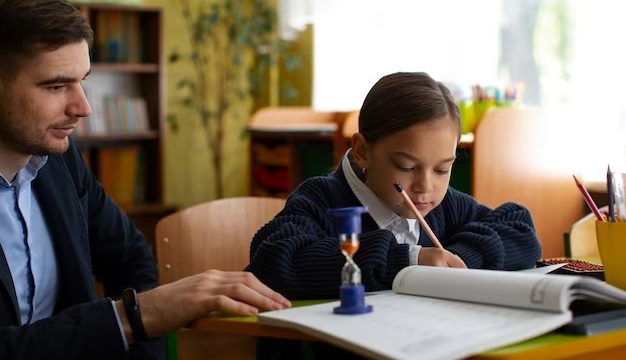
Creating a nurturing space for bilingual education opens doors to a myriad of possibilities. Imagine a classroom where students feel comfortable sharing their thoughts and ideas, knowing they can do so in both their primary and secondary languages. This dual-language approach encourages students to engage more deeply with the material, as they can relate it to their own experiences and cultural backgrounds.
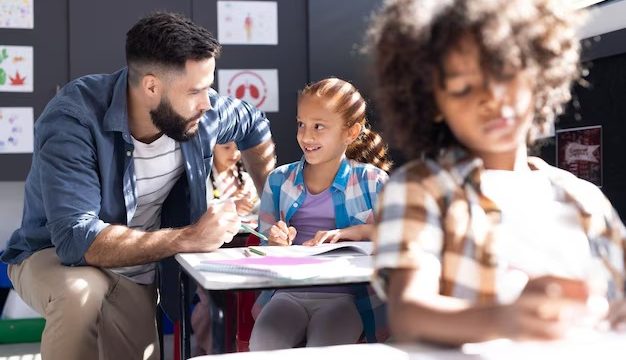
A small shift toward balance can significantly enhance classroom dynamics. Teachers who incorporate bilingual strategies into their lessons often find that students become more active participants. When students can express themselves in a language they are comfortable with, they are more likely to ask questions, share insights, and collaborate with their peers. This engagement not only supports academic growth but also builds confidence and self-esteem.
Moreover, bilingual learning promotes cognitive flexibility. Research suggests that bilingual individuals often show enhanced problem-solving skills and creativity. This comes from the brain’s ability to switch between languages and navigate different linguistic structures. In a classroom setting, this cognitive agility can lead to richer discussions and innovative thinking. Students learn to approach challenges from various angles, making them better equipped to tackle complex problems both in school and in their future careers.
Creating an inclusive classroom environment also means recognizing and celebrating the diverse linguistic backgrounds of students. When schools embrace bilingual learning, they send a powerful message: every language and culture has value. This acknowledgment fosters respect and appreciation among classmates, creating a more harmonious learning atmosphere. Students learn not only from their teachers but also from each other, sharing their unique perspectives and experiences.
Incorporating bilingual education into the curriculum doesn’t have to be a daunting task. Teachers can start small by introducing key vocabulary in both languages or using bilingual resources such as books and multimedia materials. Storytelling, for instance, can be a wonderful tool to weave together different languages. By sharing stories in both languages, teachers can help students connect emotionally with the content while also enhancing their language skills.
The role of families in bilingual learning cannot be overstated. Encouraging parents to participate in their child’s bilingual education journey creates a supportive network that extends beyond the classroom. Schools can host workshops or informational sessions that empower families to engage with their children’s learning at home. This partnership between educators and families enriches the learning experience and reinforces the importance of language diversity.
As we consider the future of education, it’s clear that bilingual learning is more than just an academic trend; it’s a pathway to a more compassionate and understanding society. By equipping students with the skills to communicate across languages, we prepare them to thrive in a globalized world. The ability to converse with individuals from different backgrounds fosters empathy and cultural awareness, essential traits for the leaders of tomorrow.
In practice, communities can encourage bilingual learning by supporting local language programs and resources. Libraries, community centers, and cultural organizations often offer classes or events that promote language learning. By participating in these initiatives, families can help reinforce the value of bilingualism in their daily lives, making it a natural part of their family culture.
The benefits of bilingual education extend beyond the classroom. Bilingual individuals often have an advantage in the job market, as employers increasingly seek candidates who can navigate diverse environments. Furthermore, the cognitive benefits of bilingualism, such as improved memory and multitasking abilities, contribute to lifelong learning and adaptability.
As educators, parents, and community members, we have a collective responsibility to foster a culture of bilingualism. It begins with recognizing the rich tapestry of languages that exist within our classrooms and communities. By encouraging bilingual learning, we not only enhance communication but also cultivate a sense of belonging and respect among all students.
In conclusion, enhancing classroom communication through bilingual learning is a journey that requires commitment, creativity, and collaboration. The rewards, however, are immeasurable. As we embrace this approach, we are not just teaching students how to communicate in multiple languages; we are preparing them to connect with the world in meaningful ways. In a society that thrives on diversity, bilingualism becomes a bridge that unites us, promoting understanding and kindness in every interaction. Together, let’s celebrate the beauty of language and its power to transform lives.