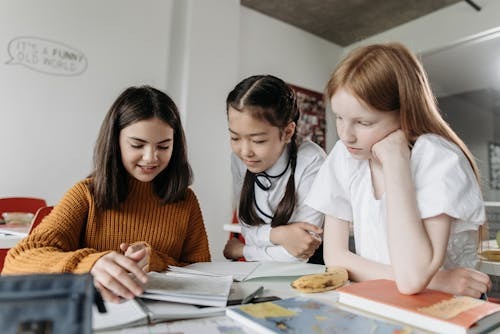
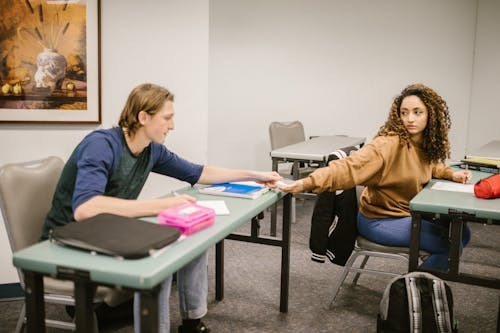
In a world that often prioritizes results over process, the essence of education can sometimes feel lost.
Yet, at its core, education should be a journey—a delightful exploration that nurtures curiosity and inspires a lifelong love of learning.
When we think about the ideal educational experience, it’s not just about acquiring knowledge; it’s about fostering an environment where questions are encouraged, creativity flourishes, and every child feels empowered to discover their unique path.
Creating a nurturing environment starts with recognizing the natural curiosity that exists within every child. From the moment they can grasp objects, children are in a constant state of inquiry. They touch, taste, and explore everything around them, driven by an innate desire to understand their world. This fundamental curiosity should be embraced rather than stifled. Schools and parents alike can cultivate this sense of wonder by providing opportunities for exploration and hands-on experiences. Imagine classrooms filled with art supplies, science experiments, and nature walks—each a canvas for discovery.
Learning through play is one of the most effective ways to encourage curiosity. When children engage in playful activities, they are not just having fun; they are experimenting, problem-solving, and thinking critically. Whether it’s building a fort from couch cushions or using building blocks to create a city, play allows children to express their ideas freely. By integrating play into the learning process, educators can tap into children’s natural instincts, making lessons more engaging and memorable.
The role of a teacher in this environment is that of a guide rather than a dictator. When educators foster a culture of inquiry, they inspire students to ask questions and seek answers. This can be done by encouraging discussions, allowing for open-ended projects, and valuing each student’s perspective. When children feel safe to express their thoughts and ideas, they are more likely to take risks in their learning. This not only builds confidence but also instills a sense of ownership over their educational journey.
A small shift toward balance can be incredibly effective in the classroom. Instead of focusing solely on standardized testing and rigid curricula, educators can weave in elements that promote critical thinking and creativity. This might mean dedicating time for collaborative projects, allowing students to explore their interests, or even creating a “curiosity corner” where they can share what they’ve learned outside of the classroom. These small adjustments can lead to profound changes in how students engage with their education.
Parents also play a crucial role in nurturing a love for learning at home. Encouraging curiosity can start with simple conversations and activities. Reading together, visiting museums, or exploring nature can spark meaningful discussions that deepen understanding. When parents show enthusiasm for learning, children are more likely to mirror that excitement. Instead of just asking about schoolwork, parents can ask open-ended questions that prompt children to share their thoughts and feelings about what they’re learning. This reinforces the idea that learning is a shared journey.
Furthermore, the integration of technology in education can serve as a powerful tool for fostering curiosity. With the vast resources available online, students have access to a world of information at their fingertips. This accessibility can encourage them to delve deeper into subjects that intrigue them. However, it’s essential to guide children in navigating this digital landscape. Teaching them how to evaluate sources and find credible information can empower them to become independent learners who are capable of critical thought.
As we consider the broader implications of education that encourages curiosity, it’s vital to acknowledge the importance of emotional intelligence. Education should not solely focus on academic achievement but also nurture social and emotional skills. When students learn to understand their emotions and those of others, they become more empathetic and engaged individuals. This holistic approach to education can lead to a more balanced and fulfilling learning experience.
In a society that often prioritizes competition, it’s refreshing to see the rise of collaborative learning environments. Group projects and peer discussions not only enhance understanding but also teach students the value of teamwork. When children work together to solve problems, they learn from one another and develop a sense of community. This collaborative spirit can encourage curiosity as students feel supported in their inquiries and explorations.
As we move forward, it’s essential to advocate for educational systems that prioritize curiosity and creativity. This means supporting policies that allow for flexibility in curricula and promoting professional development for educators. When teachers are empowered to innovate and adapt their teaching methods, they can create classrooms that inspire curiosity and foster a love of learning.
Ultimately, education that encourages curiosity is about cultivating an environment where questions are welcomed, creativity is celebrated, and every learner feels valued. It’s about creating spaces where students can explore their passions and develop their unique voices. When we nurture curiosity in education, we are not just preparing students for tests; we are preparing them for life. They will grow into thoughtful, inquisitive individuals who are equipped to navigate an ever-changing world.
In this journey, let us remember that education is not just a destination but a lifelong adventure. By fostering curiosity and a passion for learning, we can inspire generations to come, ensuring that the flame of inquiry burns bright in every heart. Embracing this philosophy allows us to create a world where learning is not just a task but a joyful pursuit, enriching our lives and the lives of those around us.