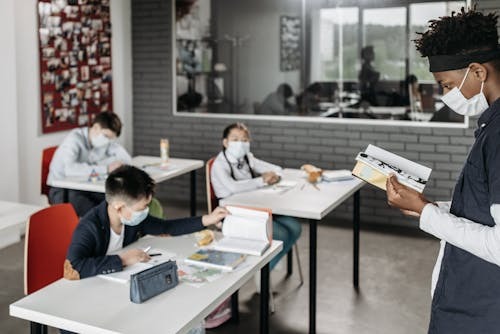
Growing Skills in a University Environment
Embarking on a university journey can feel like stepping into a vibrant world filled with opportunities, challenges, and personal growth.
As students navigate this transformative phase, they often discover that it’s not just academic knowledge they gain; it’s a multitude of skills that shape their future.
The university environment is a unique landscape where growth happens not only in classrooms but also in social interactions, extracurricular activities, and self-reflection.
A gentle shift in perspective can make all the difference. Rather than viewing university solely as a means to an end—a degree—students can embrace it as a rich tapestry of experiences that foster a variety of skills. This mindset can be the key to unlocking personal potential and cultivating a fulfilling university experience.
Exploring the academic landscape is where many students first engage with skill development. Each subject presents not only content but also the opportunity to hone critical thinking, analytical reasoning, and effective communication. Engaging in discussions, participating in group projects, or presenting findings can enhance these abilities. It’s in these moments of collaboration and debate that students learn to articulate their thoughts, consider diverse perspectives, and refine their arguments.
However, the classroom is just the beginning. Beyond the academic realm lies a plethora of extracurricular activities that can contribute significantly to skill growth. Joining clubs, sports teams, or student organizations opens doors to leadership experiences and teamwork. These environments encourage students to step outside their comfort zones, whether they are organizing events, leading initiatives, or simply working alongside peers with shared interests. Such experiences cultivate interpersonal skills, resilience, and adaptability—qualities that are invaluable in both personal and professional realms.
A small shift toward balance can also play a crucial role in personal development. While academics and activities are essential, it’s equally important to prioritize well-being. Learning to manage time effectively, setting personal boundaries, and practicing self-care are skills that can be developed during these years. University life often comes with a whirlwind of responsibilities, and navigating this chaos requires a level of self-awareness and discipline. Students can learn to assess their limits, recognize when to take a step back, and find moments of tranquility amidst the busyness.
Additionally, seeking support and building connections can be a transformative aspect of university life. Establishing relationships with professors, mentors, and peers creates a network of support that enhances learning and personal growth. Engaging in conversations about academic interests, career aspirations, or even personal challenges can lead to invaluable insights and guidance. The ability to seek help when needed and to foster relationships is a skill that extends far beyond university, enriching both personal and professional lives.
As students immerse themselves in this environment, they may also discover the importance of cultural awareness and global perspectives. Universities often attract a diverse student body, and engaging with individuals from different backgrounds can deepen one’s understanding of the world. This exposure fosters empathy, open-mindedness, and communication skills that are vital in an increasingly interconnected society. Embracing diversity not only enriches the university experience but also prepares students for future interactions in a globalized workforce.
Creativity often blossoms in the university setting as well. Whether through art, literature, or innovative problem-solving in scientific research, students are encouraged to think outside the box. Engaging in creative endeavors nurtures the ability to approach challenges with fresh perspectives and innovative solutions. This skill can be particularly beneficial in today’s rapidly changing job market, where adaptability and creativity are highly valued.
The journey of growing skills in a university environment is not without its challenges. Students may encounter moments of self-doubt, stress, or uncertainty. However, these experiences are part of the growth process. Learning to navigate setbacks, embrace failure, and maintain a positive outlook are essential skills that can be cultivated during this time. Each challenge faced can become a stepping stone toward resilience and personal strength.
As graduation approaches, students often reflect on the skills they have developed throughout their university experience. Beyond the academic achievements, they may realize they have cultivated a rich toolkit of life skills—communication, leadership, creativity, and resilience—all of which will serve them well in their future endeavors.
In this way, university becomes more than just a place of learning; it transforms into a nurturing ground for personal and professional development. The friendships formed, the challenges faced, and the skills acquired create a foundation for a fulfilling life beyond campus.
Ultimately, the university environment is a unique opportunity to grow, learn, and evolve. By embracing the experiences—both academic and personal—students can emerge not just with a degree but as well-rounded individuals ready to take on the world. Each step in this journey is a chance to discover new passions, develop vital skills, and create lasting memories that will shape their lives long after they leave campus.
In conclusion, navigating the university experience is about more than just academics; it’s about growing skills that will last a lifetime. By engaging fully with the opportunities presented, students can cultivate a well-rounded skill set that prepares them for whatever lies ahead. The journey may be challenging, but it is also filled with moments of joy, discovery, and profound personal growth. Embracing this journey with an open heart and mind can lead to a fulfilling and enriching university experience.