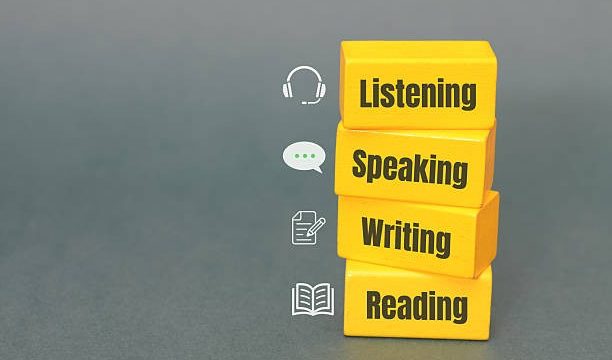
Supporting language development through play is a delightful journey that not only enriches a child’s communication skills but also strengthens the bond between caregivers and little ones.
In the world of early childhood, play is often seen as a simple pastime, but it serves as a powerful vehicle for learning and growth.
As children engage in play, they explore their environment, express their thoughts and feelings, and begin to understand the complex world around them.
As parents, caregivers, and educators, recognizing the profound impact of play on language development can open up a treasure trove of opportunities for nurturing a child’s abilities. It’s a gentle reminder that learning doesn’t have to be a rigid or formal process; it can be woven into the fabric of everyday life through playful interactions.
The magic of imaginative play is one of the most wonderful aspects of childhood. When children engage in pretend play, they step into a world of their own creation, often mimicking the adults and situations they observe. This imaginative exploration allows them to experiment with language in a safe and supportive environment. As they narrate their stories, they practice vocabulary, sentence structure, and even the nuances of conversation.
Whether it’s hosting a tea party for stuffed animals, building a fort to become a pirate’s hideout, or playing house with their siblings, children draw upon their experiences and surroundings to create scenarios that inspire dialogue. Encouraging them to elaborate on their stories not only enriches their vocabulary but also fosters critical thinking skills as they learn to connect ideas and express them coherently.
Another beautiful aspect of play is the way it invites collaboration. When children play together, they develop important social skills, learning to communicate their needs, negotiate roles, and resolve conflicts. These interactions are ripe with opportunities for language development. For example, during a game of building blocks, children might discuss which pieces fit best or how they envision their structure. This back-and-forth dialogue is invaluable, as it encourages active listening and the articulation of thoughts.
Creating a language-rich environment at home can further support this natural inclination towards communication. Surrounding children with books, songs, and stories provides a backdrop that encourages language exploration. Reading together can be an enriching experience, where children not only hear new words but also engage in discussions about the characters, plot, and emotions. This practice nurtures their comprehension skills and ignites their imagination.
Incorporating music and rhythm into playtime can also enhance language development. Singing songs, reciting nursery rhymes, or even creating simple melodies can introduce children to the rhythm and flow of language. The repetitive nature of songs helps reinforce vocabulary and phrases, making them easier to remember. Plus, music often encourages movement, which can further engage children and make learning feel like an enjoyable experience.
It’s also important to recognize the power of everyday activities as opportunities for language development. Simple routines, such as cooking together, shopping, or gardening, can provide rich language experiences. During these moments, caregivers can narrate actions, describe ingredients, or talk about the colors and textures of plants. This kind of verbal interaction transforms mundane tasks into engaging learning experiences, allowing children to absorb language naturally.
As children grow, their play evolves, and so do the ways in which they interact with language. Board games, card games, and storytelling sessions can serve as platforms for deeper conversations, where children can practice more complex language skills. These activities not only enhance vocabulary but also teach children how to articulate their thoughts clearly, follow instructions, and engage in respectful dialogue.
A small shift toward balance can also be beneficial. While it’s essential to support language development through play, it’s equally important to allow children the space to explore independently. Sometimes, the most profound learning moments occur when children are left to their own devices, experimenting with language in a way that feels authentic to them. Observing them during these moments can provide insight into their interests and help caregivers tailor their interactions to better support their growth.
As caregivers, it’s crucial to be mindful of our own communication styles. Modeling positive language use, speaking in clear and varied tones, and showing enthusiasm for conversation can inspire children to mimic these behaviors. When caregivers engage in meaningful dialogue, children learn the value of expressing themselves and the joy that comes from connection.
In a world that often feels fast-paced and demanding, fostering language development through play can be a gentle reminder of the beauty of childhood. It encourages us to slow down, engage with our little ones, and create moments filled with laughter, creativity, and exploration. By embracing play as a vital component of language development, we not only support our children’s growth but also nurture a sense of wonder and curiosity that will serve them throughout their lives.
As we navigate the journey of supporting language development, let’s remember that every moment spent playing, laughing, and exploring together is an investment in our children’s future. Through the lens of play, we can witness the blossoming of their language skills, emotional intelligence, and social connections. In this beautiful dance of learning, we find joy, connection, and the promise of a bright future filled with endless possibilities.