Traveling opens our minds and hearts in ways we often overlook.
It’s not just about the sights, sounds, and delicious foods; it’s also a wonderful opportunity to learn.
One of the most enriching aspects of travel is the chance to expand our vocabulary in new languages. Whether you’re exploring the bustling streets of Tokyo or the charming alleys of Paris, learning local words and phrases can enhance your experience and deepen your connection to the culture. Here are some easy and enjoyable ways to learn vocabulary while you wander.
Connecting through conversation
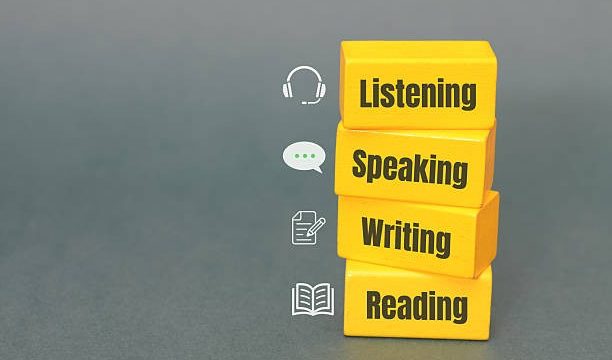
One of the simplest yet most effective ways to learn new words is through conversation. Engaging with locals allows you to practice pronunciation and gain insights into everyday language use. Whether you’re ordering a coffee, asking for directions, or striking up a friendly chat, don’t hesitate to use the language. Most people appreciate the effort, and many will be happy to help you with pronunciation or offer additional phrases.
If you’re shy or unsure where to start, consider joining a local tour or workshop. These settings often encourage interaction, providing a comfortable environment to practice your language skills. As you learn to communicate, you’ll find that vocabulary becomes more than just words; it transforms into a bridge connecting you to the heart of the place you’re visiting.
Immersing in the culture
Every culture has its unique expressions and idioms that reflect its values and way of life. By immersing yourself in the local culture, you not only learn vocabulary but also understand the context behind the words. Attend cultural events, visit museums, or participate in local festivals. Each experience enriches your vocabulary with terminology specific to that context.
For instance, if you find yourself in Italy during a wine festival, you might learn words related to wine-making and tasting. These new terms, associated with a memorable experience, will stick with you longer than if you simply memorized them from a textbook.
Listening and observing
As you travel, take the time to listen and observe. Pay attention to conversations around you, whether it’s in restaurants, shops, or public transportation. Listening to native speakers can help you grasp pronunciation and rhythm. You might even catch local slang that textbooks often overlook.
Consider keeping a small notebook or using a language app to jot down new words and phrases you hear throughout the day. Later, you can look them up or practice using them in sentences. This method not only reinforces your learning but also allows you to connect with the language on a deeper level.
Reading on the go
Traveling often comes with plenty of downtime—whether you’re waiting for a train or relaxing at a café. Use this time to read. Local newspapers, magazines, or even menus can be excellent resources for expanding your vocabulary. Look for materials that interest you; if you enjoy fashion, pick up a local fashion magazine. If you’re a foodie, explore culinary publications.
Reading in the local language can expose you to new vocabulary in context, making it easier to remember. Plus, you’ll gain insights into what’s relevant and popular in that culture. Don’t hesitate to look up unfamiliar words; this will enhance your learning experience.
Engaging with technology
In our digital age, technology can be a fantastic ally in language learning. Download language learning apps that offer vocabulary-building exercises and quizzes. Many of these apps allow you to practice on the go, making it easy to fit learning into your travel schedule.
Additionally, consider using translation apps to help you communicate. While it’s beneficial to learn on your own, these tools can provide immediate assistance when you’re in a pinch. They can also help you learn new words as you translate phrases you want to remember.
Creating a language buddy system
Traveling with a friend or meeting fellow travelers can create an excellent opportunity for mutual learning. Establish a language buddy system where you both commit to practicing the local language together. You can challenge each other to use new vocabulary, share corrections, and encourage one another along the way.
This camaraderie can make learning feel less daunting and more enjoyable. You’ll find that learning is easier when you share the experience with someone else, and you might even pick up new tips and tricks from each other.
Finding joy in mistakes
Language learning is a journey filled with ups and downs, and it’s essential to embrace the process, including the inevitable mistakes. Each mispronunciation and grammatical error is a step toward mastery. When you make a mistake, laugh it off and learn from it.
Often, locals appreciate your efforts, even if they don’t come out perfectly. Their encouragement can boost your confidence and inspire you to keep trying. Remember, every interaction is a chance to grow, and every word learned is an accomplishment worth celebrating.
Bringing it all together
As you travel and explore new places, remember that learning vocabulary is not just about memorizing words; it’s about creating connections, understanding cultures, and experiencing life through a different lens. By engaging with locals, immersing yourself in the culture, and making use of technology, you can easily enhance your vocabulary while enjoying everything travel has to offer.
Allow yourself to soak in every moment, and let the language flow naturally into your experiences. With each new word you learn, you’re not just expanding your vocabulary; you’re enriching your journey, making it all the more meaningful. So, pack your bags, open your heart, and embrace the beautiful adventure of learning while traveling.