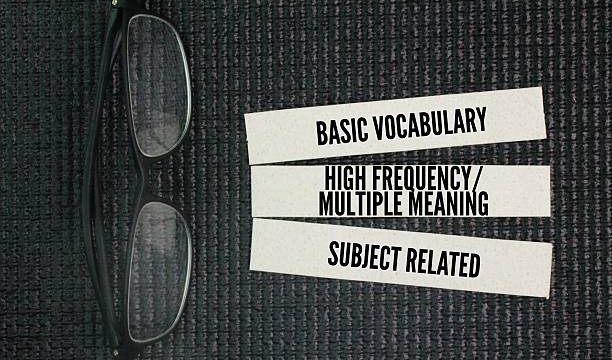
Language is a powerful tool, and vocabulary is its finest brush.
Just as an artist skillfully blends colors to create a masterpiece, a well-developed vocabulary allows students to articulate thoughts, ideas, and emotions with clarity and precision.
In the world of academia, where communication is key, having a rich vocabulary can significantly enhance one’s academic skills.
The journey of learning is often paved with the words we choose. Each new term learned is like adding a new thread to the fabric of knowledge, weaving together concepts that might have otherwise remained separate. Expanding one’s vocabulary does not merely mean memorizing definitions; it involves embracing the nuances of language, understanding context, and appreciating the subtle differences between synonyms. This depth of understanding fosters better comprehension, which is essential for academic success.
When students encounter new vocabulary, they are not just learning new words; they are also expanding their cognitive abilities. Engaging with language in a meaningful way stimulates critical thinking, encourages creativity, and enhances problem-solving skills. The ability to express oneself clearly and effectively can lead to more engaging discussions, richer written assignments, and overall improved performance in academic settings.
A small shift toward balance can be seen in how vocabulary development influences reading comprehension. When students come across unfamiliar words in texts, their ability to grasp the overall meaning can be hindered. However, as they build their vocabulary, they become more adept at decoding texts, allowing for a smoother reading experience. This increased fluency not only makes reading more enjoyable but also enables students to draw connections between ideas, enhancing their overall understanding of the material.
Writing, too, benefits immensely from a strong vocabulary. For students, crafting essays and reports requires clarity of thought and expression. A diverse vocabulary allows for more nuanced writing, enabling students to convey their arguments persuasively. The choice of words can evoke emotions, paint vivid images, and even persuade an audience. When students have a wealth of vocabulary at their disposal, their writing becomes more engaging, making it easier for readers to connect with their ideas.
Moreover, vocabulary development plays a crucial role in oral communication. Whether participating in class discussions, delivering presentations, or engaging in group projects, the ability to articulate thoughts clearly can dramatically influence interpersonal interactions. A strong vocabulary empowers students to express themselves confidently, fostering a sense of belonging and engagement within academic communities. This confidence can lead to more active participation, which is often a vital component of the learning process.
The impact of vocabulary extends beyond individual academic skills; it cultivates a love for learning. Students who engage with new words often find themselves curious about their meanings and origins. This curiosity can lead to a deeper exploration of language and literature, encouraging a lifelong passion for reading and learning. The more students immerse themselves in language, the more they begin to see connections across different subjects, enriching their overall educational experience.
Creating a nurturing environment for vocabulary development is essential. Parents and educators can play a pivotal role by encouraging a rich language experience. Reading together, discussing new words, and encouraging exploration of synonyms can create a dynamic learning atmosphere. This collaborative approach not only strengthens vocabulary but also builds strong relationships, making the learning process more enjoyable and effective.
Incorporating vocabulary-building activities into daily routines can be both fun and rewarding. Engaging with word games, puzzles, or even creative writing exercises can stimulate interest and motivation. These activities encourage students to play with language, fostering a sense of ownership over their learning journey. As they grow more comfortable with words, students often find themselves eager to share their newfound knowledge with peers and family, creating a ripple effect of learning.
As technology continues to shape our world, there are also numerous digital tools available to support vocabulary development. From educational apps to online resources, students have access to a wealth of information that can aid in expanding their vocabulary. However, it’s essential to balance screen time with traditional reading and writing practices. The tactile experience of holding a book and the joy of writing by hand can significantly enhance vocabulary retention and understanding.
In the realm of academia, the benefits of a rich vocabulary extend beyond grades and assessments. They contribute to the overall well-being of students. When individuals feel confident in their ability to communicate, they are more likely to engage socially and emotionally in their academic environment. This sense of connection can alleviate feelings of anxiety or isolation, fostering a more inclusive and supportive atmosphere.
As students embark on their academic journeys, the words they choose to embrace can shape their experiences in profound ways. Vocabulary is not just a collection of words; it is a gateway to understanding, a bridge to connect with others, and a tool to express one’s unique perspective. By nurturing vocabulary development, students can enhance their academic skills while cultivating a lifelong love for language and learning.
In the end, the journey of vocabulary building is a personal one. Each student will find their own path, discovering the beauty of language and the power it holds. As they explore new words and phrases, they are also exploring themselves, their thoughts, and their place in the world. By fostering a rich vocabulary, we are not just preparing students for academic success; we are equipping them with the tools they need to navigate life with clarity, confidence, and creativity. Embracing vocabulary is truly a step toward a brighter, more articulate future.