In a world that is increasingly driven by technology, the importance of technology education cannot be overstated.
It shapes not only our skills and knowledge but also our confidence in navigating an ever-evolving landscape.
As we delve into the realm of technology education, we discover how it can inspire confidence and encourage individuals to embrace their potential.
The journey of learning technology can be both invigorating and daunting. Many people feel intimidated by the rapid pace of innovation, leading to a sense of helplessness. However, technology education can transform that feeling into one of empowerment. By fostering an environment where learners feel supported and encouraged, we can cultivate a sense of confidence that carries into many aspects of life.
Creating an inviting atmosphere is essential in technology education. Imagine stepping into a classroom or a workshop where the air is filled with curiosity rather than fear. When educators prioritize a warm and inclusive environment, students are more likely to engage openly with new concepts. This supportive approach helps to break down the barriers that often accompany technical learning, allowing individuals to explore without the weight of anxiety.
A gentle introduction to technology can make a world of difference. For many, the first encounter with coding or digital tools can feel overwhelming. However, starting with foundational skills and gradually building complexity can transform the experience. When learners see their progress, even in small increments, it can spark a sense of accomplishment. This feeling is vital; it creates a positive feedback loop where confidence grows alongside knowledge.
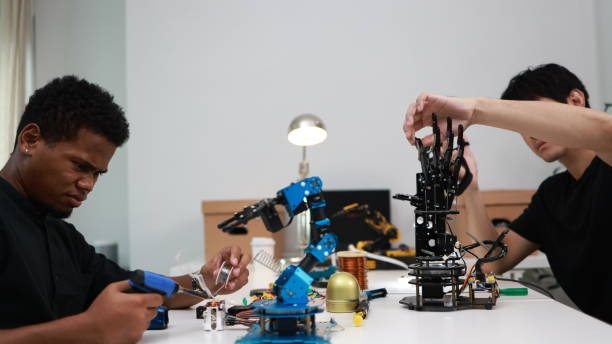
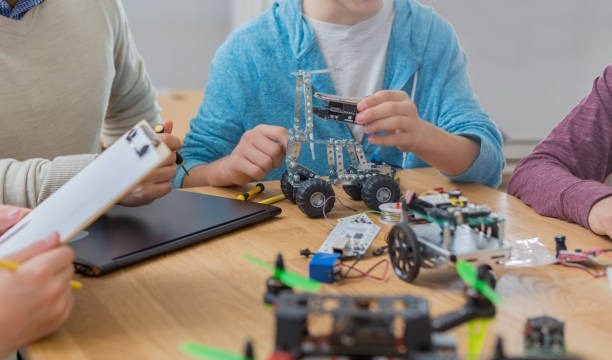
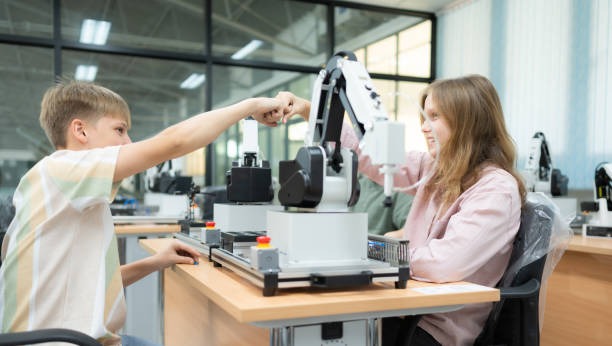
Encouraging collaboration is another cornerstone of fostering confidence in technology education. Learning alongside peers can alleviate the fear of making mistakes. In a collaborative setting, individuals can share their challenges and triumphs, creating a community that values growth over perfection. This shared experience not only enhances learning but also reinforces the understanding that everyone has a unique perspective to offer.
As we navigate the digital age, it’s essential to recognize the diverse ways people learn. Some may thrive in hands-on environments, while others may prefer theoretical discussions. By embracing various learning styles, educators can reach a broader audience. This adaptability not only enhances comprehension but also helps individuals find their strengths, nurturing a sense of self-assurance.
The role of mentorship in technology education cannot be overlooked. Having someone to guide you through the complexities of technology can be a game-changer. Mentors provide not only knowledge but also encouragement, helping to instill confidence in their mentees. Their belief in an individual’s potential can create a powerful ripple effect, inspiring learners to take risks and pursue their goals.
A small shift toward balance can also play a significant role in how we approach technology education. It’s easy to become overwhelmed by the vast array of tools and platforms available. By focusing on a few key areas and mastering them, individuals can build a solid foundation. This approach allows for a sense of achievement without the pressure of trying to grasp everything at once. In turn, this fosters a healthier relationship with technology, where learning feels like a journey rather than a race.
Incorporating real-world applications into technology education can further inspire confidence. When learners see how their skills can be applied to solve real problems, it enhances their understanding and appreciation of the subject. Whether it’s through projects that address community needs or collaborations with local businesses, practical experience can ignite passion and confidence in learners. It reinforces the idea that technology is not just about theory; it’s a tool for making a difference.
As we consider the future of technology education, it’s important to advocate for inclusivity. Everyone, regardless of their background, should have the opportunity to engage with technology. By promoting diverse voices and perspectives, we enrich the learning experience for all. This inclusivity fosters a sense of belonging and encourages individuals to contribute their unique insights, further enhancing their confidence.
The impact of technology education extends beyond technical skills. It nurtures critical thinking, problem-solving abilities, and creativity. These skills are invaluable in today’s world, where adaptability is key. When individuals feel confident in their ability to think critically and approach challenges creatively, they are better equipped to navigate life’s uncertainties. This sense of empowerment can lead to greater overall well-being, as individuals feel more in control of their paths.
Embracing technology education as a lifelong journey can transform our relationship with learning. It encourages a mindset that values curiosity and resilience. By viewing challenges as opportunities for growth, individuals can cultivate a sense of confidence that transcends the classroom. This perspective can lead to a more fulfilling life, where learning becomes an integral part of personal development.
As we look to the future, it’s clear that technology will continue to shape our lives in profound ways. By prioritizing technology education that inspires confidence, we can equip individuals with the tools they need to thrive in an ever-changing world. This journey is not just about acquiring skills; it’s about nurturing the belief that anyone can become adept in technology and use it to create a brighter future.
In conclusion, technology education has the potential to inspire confidence in ways that extend far beyond the classroom. By fostering supportive environments, encouraging collaboration, and embracing diverse learning styles, we can create a community that thrives on curiosity and growth. As we empower individuals to embrace their potential, we pave the way for a future where technology is not just a tool but a means of transformation.