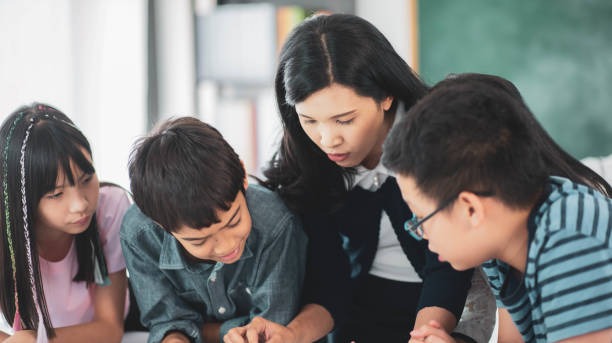
Encouraging Teamwork Through Kindergarten Activities
Kindergarten is a magical time in a child’s life, filled with discovery, wonder, and the first steps toward socialization.
At this tender age, children are not just learning their ABCs and 123s; they are also beginning to understand the importance of working together.
Fostering teamwork through engaging activities can create a nurturing environment where young minds thrive. This article explores how simple, playful activities can encourage collaboration and communication among kindergarteners, setting the foundation for strong social skills that will benefit them throughout their lives.
The beauty of teamwork is that it brings together diverse ideas and perspectives, even at a young age. In a kindergarten classroom, every child has something unique to offer, and when they learn to collaborate, they discover the joy of shared experiences. Whether it’s through games, art projects, or storytelling, the possibilities for teamwork are endless.
Creating a sense of community
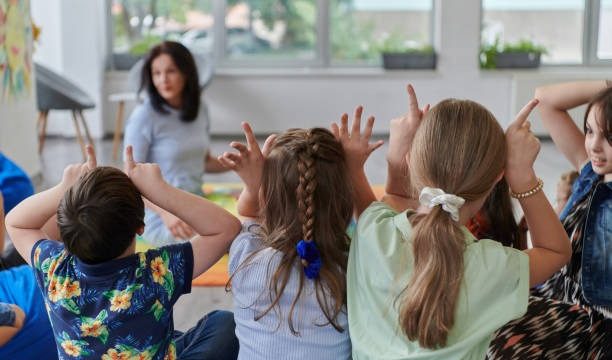
One of the first steps to encouraging teamwork is to establish a sense of community within the classroom. This can be achieved through simple morning rituals that invite children to share their feelings and thoughts. For instance, a “circle time” where each child has an opportunity to express something they enjoy or are excited about can make everyone feel included. This practice not only fosters communication but also builds trust among peers, making it easier for them to work together later on.
In addition, incorporating group activities where children must rely on each other can enhance their collaborative skills. Simple games, such as passing a ball around the circle while sharing a fun fact, can break the ice and create a lively atmosphere. These activities help children learn to listen, support one another, and celebrate each other’s contributions, laying the groundwork for effective teamwork.
Engaging in creative projects
Art projects are another wonderful way to promote teamwork in kindergarten. Consider an activity where children collaborate on a large mural. Each child can contribute their own drawing or painting to a shared canvas, resulting in a vibrant piece of art that reflects the collective creativity of the group. As they work side by side, children learn to negotiate ideas, share materials, and appreciate the talents of their classmates.
Furthermore, integrating storytelling into group activities can ignite imagination and foster cooperation. Children can create a story together, with each child adding a sentence or idea. This not only enhances their communication skills but also teaches them the importance of listening and building on one another’s thoughts. The end result is a unique story that embodies their collective creativity, reinforcing the idea that teamwork can lead to wonderful outcomes.
Exploring nature together
Nature provides a fantastic backdrop for teamwork. Organizing a simple outdoor scavenger hunt encourages children to work together as they search for items like leaves, rocks, or flowers. This activity not only sparks curiosity about the environment but also requires them to communicate and strategize as they navigate the area. Children can discuss which items they’ve found, helping them develop their verbal skills while fostering a sense of camaraderie.
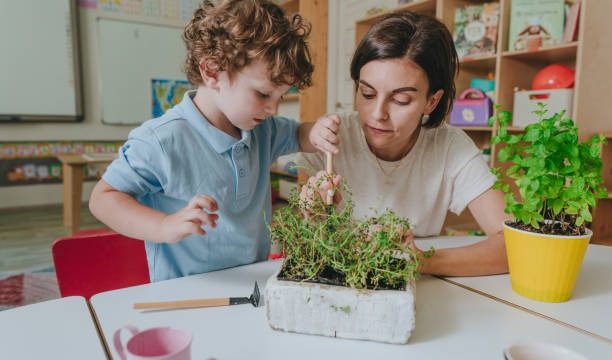
Additionally, gardening projects can serve as an excellent way to encourage teamwork. Planting seeds, watering plants, and watching them grow can be a rewarding experience that requires cooperation. Each child can take on a specific role, whether it’s digging, planting, or caring for the plants. This shared responsibility teaches them to depend on one another and appreciate the fruits of their labor, both literally and figuratively.
Encouraging problem-solving skills
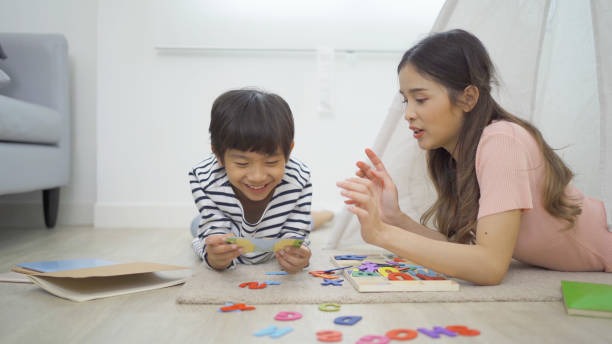
Teamwork often involves overcoming challenges together. Introducing problem-solving activities can help children learn to think critically while collaborating with their peers. Simple puzzles or building challenges encourage them to communicate their ideas and work towards a common goal. As they face obstacles, they will need to discuss possible solutions, further enhancing their ability to cooperate effectively.
Role-playing scenarios can also be a fantastic way to teach teamwork. By acting out different situations, such as helping a friend in need or working together to plan a party, children can practice empathy and collaboration in a fun, low-pressure environment. These scenarios allow them to explore various roles and responsibilities within a team, leading to a deeper understanding of how teamwork functions in everyday life.
Celebrating successes together
Recognizing and celebrating achievements, no matter how small, is vital in reinforcing the value of teamwork. When a group project is completed, take the time to reflect on what they accomplished together. A simple class discussion about their favorite parts of the project can help children articulate their feelings of pride and satisfaction. This acknowledgment not only boosts their self-esteem but also emphasizes the importance of working together to achieve common goals.
Creating a “teamwork wall” in the classroom can serve as a visual reminder of their collaborative efforts. Displaying photos, artwork, or notes about successful group activities can inspire children to continue working together. It also provides a sense of belonging, reminding them that they are part of something larger than themselves.
As children navigate their early years, the lessons learned through teamwork will resonate throughout their lives. By incorporating collaborative activities into the kindergarten experience, educators and parents can help children develop essential social skills, foster friendships, and cultivate a sense of community. The journey of teamwork begins in these formative years, setting the stage for a lifetime of cooperation, understanding, and shared success.
In a world that often emphasizes individual achievement, nurturing the spirit of teamwork in young children is more important than ever. By embracing the power of collaboration through playful and engaging activities, we can help children discover not only the joy of working together but also the value of friendship, trust, and mutual respect. As they grow, these foundational skills will serve them well, guiding them toward a future where they can contribute meaningfully to their communities.