In the vibrant world of elementary education, where curiosity and laughter intertwine, incorporating fun classroom games can transform the learning environment into an exciting playground of knowledge.
Kids thrive on interaction and play, and using games as a tool can make lessons stick while fostering social skills and teamwork.
Here, we explore a variety of enjoyable games that not only energize the classroom but also enhance learning experiences.
A gentle introduction to learning through play
Imagine a classroom buzzing with energy, where students are not just passive listeners but active participants in their education. Fun classroom games can be the key to unlocking that dynamic atmosphere. These games encourage students to engage with their peers, think critically, and apply what they’ve learned in a playful context. Whether it’s a rainy day or a routine afternoon, these activities can bring a refreshing change to the usual learning rhythm.
One classic game that never goes out of style is “Simon Says.” This game is not only a great way to get kids moving, but it also sharpens their listening skills. The teacher can weave in educational elements by incorporating vocabulary or math commands. For instance, instead of just saying “jump,” a teacher might say, “jump three times,” or “clap your hands if you can spell ‘cat.’” This simple twist on a beloved game can enhance learning while keeping the atmosphere light and enjoyable.
Creating connections through storytelling
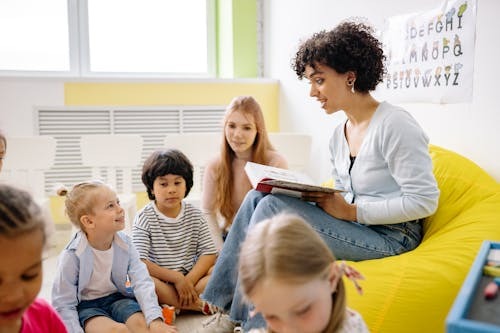
Storytelling is another delightful avenue to explore in the classroom. Engaging students in a collaborative storytelling game allows their imaginations to soar. One way to do this is by sitting in a circle and having each student contribute a sentence to build a story. This not only nurtures creativity but also strengthens their ability to listen and respond to peers. As the tale unfolds, laughter and excitement often ensue, creating a bond among classmates that enriches the classroom community.
Moreover, this game can be tailored to fit various subjects. For instance, in a history lesson, students can create a story set in a specific time period, incorporating historical figures or events. In a science class, they might weave in elements of nature or animal behaviors. The possibilities are endless, and the joy of storytelling transcends mere academics, fostering a love for learning.
A playful twist on traditional learning
Another engaging game is “Math Bingo.” This game transforms traditional bingo into a math challenge that keeps students on their toes. Instead of calling out numbers, the teacher can pose math problems, and students must solve them to find the corresponding answer on their bingo cards. This interactive approach not only reinforces math skills but also encourages friendly competition and collaboration among students.
Incorporating movement into learning can also be beneficial. “The Freeze Game” is a simple yet effective way to get kids moving while reinforcing concepts. When the music plays, students dance or move around the room. When the music stops, they must freeze in place and answer a question posed by the teacher. This game can be adapted to any subject, making it a versatile choice for various lessons.
Fostering teamwork and communication
As students grow, the importance of teamwork and communication becomes increasingly clear. Games that promote collaboration can significantly enhance these skills. “The Human Knot” is a fantastic activity that encourages students to work together to untangle themselves without letting go of each other’s hands. This game not only promotes problem-solving but also builds trust and camaraderie among classmates.
Another wonderful option is “Scavenger Hunt,” which can be tailored to fit any lesson theme. Teachers can create clues related to a specific subject and have students work in teams to solve them. This game fosters collaboration and critical thinking, as students must communicate effectively to find the next clue. The excitement of the hunt adds an element of adventure that makes learning feel like an exhilarating journey.
Nurturing creativity with arts and crafts
Incorporating arts and crafts into classroom games can also be a delightful way to engage students. Consider a “Craft Relay,” where teams race against the clock to complete a creative project. Each member of the team adds their unique touch to the artwork, encouraging collaboration and fostering a sense of accomplishment. This game not only allows for self-expression but also reinforces the idea that working together can produce something beautiful.
Additionally, a “Pictionary” style game can be a fun way to explore vocabulary or concepts. Students take turns drawing a word or phrase related to the lesson while their classmates guess what it is. This game not only reinforces learning but also taps into students’ creative sides, making vocabulary practice feel fresh and exciting.
Creating a balanced classroom environment
As educators seek to create a balanced classroom environment, incorporating fun games is an effective strategy. These activities not only break the monotony of traditional teaching methods but also cater to different learning styles. The laughter and joy that come from play foster a positive atmosphere where students feel safe to express themselves and take risks in their learning.
In conclusion, fun classroom games serve as a bridge between learning and play, enriching the educational experience for elementary kids. By integrating these activities into the curriculum, teachers can create a dynamic environment that nurtures curiosity, creativity, and collaboration. As the school year unfolds, embracing the power of play can lead to a more engaged and enthusiastic classroom, where every child feels inspired to learn and grow.