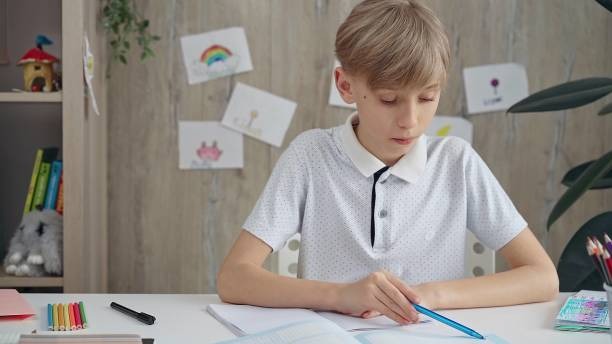
Encouraging Curiosity Through Kindergarten Activities
In the vibrant world of kindergarten, where the classroom often resembles a delightful playground of ideas and exploration, nurturing curiosity is one of the most rewarding aspects of early childhood education.
At this tender age, children are like sponges, eagerly soaking up experiences, asking questions, and forming connections with the world around them.
Encouraging this natural sense of wonder through thoughtfully designed activities can create a lifelong love of learning.
The beauty of kindergarten lies in its ability to blend play with education seamlessly. Children learn best when they are engaged and having fun, and the right activities can spark their imagination and enhance their critical thinking skills. It’s essential to create an environment that encourages them to explore, ask questions, and discover the answers for themselves.
One of the simplest yet most effective ways to inspire curiosity is through hands-on learning experiences. Activities that allow children to manipulate objects, experiment with different materials, and engage in sensory play can open up new avenues of interest. For instance, a nature scavenger hunt can transform a simple walk in the park into an adventure of discovery. As children search for various leaves, rocks, or even insects, they learn to observe closely and appreciate the details of their surroundings. This kind of activity not only promotes physical movement but also instills a sense of wonder about the natural world.
Storytime is another wonderful opportunity to cultivate curiosity. Selecting books that feature diverse characters, intriguing plots, and thought-provoking illustrations can capture a child’s imagination. After reading, engaging children in discussions about the story can further enhance their critical thinking skills. Questions about what they liked, what they would change, or how they relate to the characters can lead to rich conversations. Encouraging children to express their thoughts fosters a sense of validation and empowers them to explore their own ideas.
Art activities also serve as a powerful means of encouraging creativity and curiosity. Providing a variety of materials—such as paints, clay, and recycled items—allows children to express themselves and experiment with different forms of artistic expression. Rather than focusing solely on the end product, emphasizing the process can lead to unexpected discoveries. For example, a simple project like building a sculpture can inspire discussions about shapes, balance, and even storytelling, as children narrate the tales behind their creations.
Cooking activities can also be a delightful way to spark curiosity. Involving children in the kitchen teaches them about measurements, colors, and even the science of mixing ingredients. Simple recipes that allow for hands-on participation, like making fruit salad or baking cookies, can turn into a fun learning experience. As they measure, mix, and taste, they not only learn about food but also develop skills that will serve them well in the future. Plus, the joy of sharing their creations with family and friends can boost their confidence and sense of accomplishment.
Creating a rich learning environment doesn’t just happen inside the classroom; it can extend to the home and community as well. Field trips to museums, farms, or local businesses can provide children with real-world experiences that stimulate their curiosity. These outings can introduce them to new concepts and cultures, allowing them to ask questions and seek answers beyond the confines of their usual surroundings. Such experiences can be both educational and enjoyable, fostering a sense of connection to the wider world.
Incorporating technology thoughtfully can also play a role in encouraging curiosity. Interactive apps and educational videos can introduce children to a variety of subjects in engaging ways. However, it’s essential to strike a balance. Technology should complement hands-on experiences rather than replace them. For instance, after watching a video about space, children could create their own solar system models using craft supplies, allowing them to apply what they’ve learned in a tangible way.
Encouraging curiosity also means embracing the questions children ask, even the ones that may seem trivial or repetitive to adults. When a child asks “Why?” it’s an opportunity to delve deeper into a subject. Responding with enthusiasm and providing age-appropriate answers or resources can reinforce their desire to learn. Instead of simply answering, consider turning the question back to them: “What do you think?” This approach invites them to think critically and fosters a sense of ownership over their learning journey.
As parents and educators, it’s important to model curiosity as well. Sharing your own interests and passions can inspire children to explore new topics. Whether it’s a fascination with gardening, astronomy, or music, letting children see your excitement can encourage them to pursue their own interests with the same fervor. Engaging in activities together—like visiting a planetarium or starting a small garden—can create shared experiences that foster curiosity and strengthen bonds.
The journey of curiosity in kindergarten is about more than just acquiring knowledge; it’s about cultivating a mindset that values exploration and discovery. Each small activity, every question asked, and all the shared experiences contribute to a child’s growth and understanding of the world. By creating an environment that encourages curiosity, we are not only helping children learn but also empowering them to become lifelong learners.
In this fast-paced world, where distractions abound and the pressure to achieve can be overwhelming, nurturing curiosity becomes even more vital. It’s a gentle reminder that learning is not just about the destination but the journey itself. As we encourage our little ones to explore, question, and create, we equip them with the tools they need to navigate the world with confidence and wonder. In doing so, we can help them develop not just as students, but as curious, compassionate individuals ready to embrace all that life has to offer.