In the vibrant world of early childhood education, creativity plays a pivotal role in shaping young minds.
Arts and crafts serve as more than just a delightful pastime; they are essential tools for learning and development.
Engaging in creative activities allows children to express themselves, explore new concepts, and develop vital skills, all while having fun. Let’s delve into the enchanting realm of arts and crafts for early learners, discovering how these activities can enrich their lives and foster creativity.
Creative expression through arts and crafts opens a window to a child’s imagination. When little ones pick up a paintbrush or mold a piece of clay, they embark on a journey of self-discovery. Every stroke of paint or pinch of dough becomes a reflection of their thoughts and feelings. This process not only nurtures their artistic abilities but also encourages them to communicate in ways that words sometimes cannot capture. As parents and educators, fostering this environment of creativity helps children build confidence and a sense of identity.
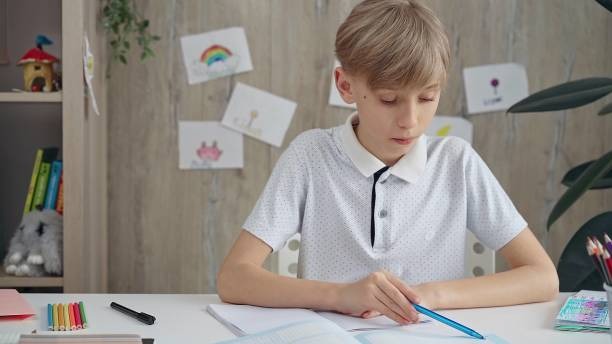
A gentle introduction to art can be as simple as providing children with everyday materials. Items like paper, crayons, and natural objects such as leaves or stones can spark creativity without the need for elaborate supplies. Setting up a cozy art corner at home or in the classroom, filled with accessible materials, invites exploration. Children can experiment freely, mixing colors, tearing paper, or creating collages. This unstructured play allows them to engage with their surroundings and develop critical thinking skills as they navigate their creative processes.
Sensory experiences are another vital aspect of arts and crafts for young learners. Engaging with different textures, colors, and shapes stimulates their senses and enhances cognitive development. For instance, activities like finger painting or working with playdough not only encourage creativity but also refine fine motor skills. Children learn to control their movements, improving their hand-eye coordination and dexterity. These foundational skills will serve them well in various aspects of life, from writing to everyday tasks.
As children engage in creative projects, they also learn valuable lessons about patience and perseverance. The artistic process often involves trial and error, allowing young ones to understand that mistakes are a natural part of learning. When they see their ideas come to life, they experience a sense of accomplishment that fosters resilience. This mindset can be beneficial not only in art but in all areas of their lives, encouraging them to tackle challenges with a positive attitude.
Furthermore, arts and crafts provide opportunities for social interaction and collaboration. Working on group projects teaches children the importance of teamwork and sharing ideas. Whether they are creating a mural together or building a model from recycled materials, these collaborative experiences help them develop communication skills and empathy. They learn to listen to others, respect different viewpoints, and celebrate each other’s contributions. This social aspect of creativity lays the groundwork for healthy relationships as they grow older.
Incorporating storytelling into arts and crafts can deepen the creative experience. Encouraging children to create illustrations for their favorite stories or invent their own tales while crafting can ignite their imaginations even further. This interplay between narrative and art enhances their understanding of storytelling and boosts their language skills. As they weave their narratives into their creations, they develop a love for literature and storytelling that can last a lifetime.
A small shift toward balance can also be achieved through nature-inspired arts and crafts. Exploring the outdoors and collecting natural materials, such as twigs, flowers, or pebbles, can inspire creativity while fostering an appreciation for the environment. Children can create nature collages, leaf rubbings, or even simple sculptures using found objects. These activities not only connect them with nature but also encourage mindfulness and observation, helping them develop a sense of wonder about the world around them.
As we consider the importance of creative arts and crafts in early learning, it’s essential to remember the role of parental involvement. Engaging with children during these activities strengthens bonds and creates cherished memories. Parents can participate by showing enthusiasm for their child’s creations, asking open-ended questions, and facilitating discussions about the art process. This engagement nurtures a supportive atmosphere where children feel valued and encouraged to express themselves freely.
It’s also important to create a safe space for creativity. Allowing children to make messes and explore without fear of judgment fosters an environment where they can truly thrive. Providing them with the freedom to express their ideas without restrictions cultivates their unique perspectives. As they experiment and take risks, they learn that creativity is not about perfection but about exploration and expression.
As we navigate through the world of early learning, it becomes clear that arts and crafts are more than just enjoyable activities. They are integral to a child’s growth, offering avenues for self-expression, social interaction, and skill development. By embracing creativity in their daily lives, we help cultivate a generation of imaginative thinkers who are not only capable of expressing themselves but also equipped to approach challenges with innovation and resilience.
Encouraging arts and crafts in early education is not just about creating beautiful projects; it’s about nurturing the whole child. As they paint, sculpt, and explore, they are laying the foundation for their future selves—curious, confident, and creative individuals ready to take on the world. In this journey of discovery, let us celebrate the joy and wonder that comes with turning simple materials into masterpieces, one creative moment at a time.