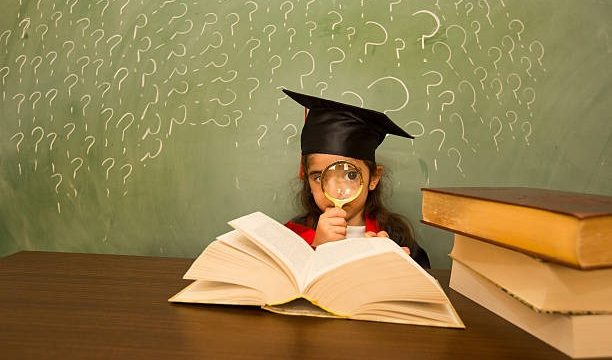
In today’s fast-paced world, the ability to think critically has never been more essential.
As we navigate through a sea of information, the skill of analyzing and evaluating what we see, hear, and read allows us to make informed decisions and understand various perspectives.
Fortunately, there are numerous educational resources available that can help foster this vital skill in both children and adults alike.
Cultivating a mindset for critical analysis can start at an early age, and one of the most effective ways to do this is through storytelling. Engaging narratives not only capture attention but also encourage readers to think deeply about the characters’ motivations, the structure of the plot, and the underlying themes. Whether it’s classic literature, contemporary novels, or even well-crafted short stories, literature opens the door to discussions about ethics, morality, and societal norms. Encouraging young readers to ask questions like “What would I have done in this situation?” or “What are the implications of this character’s choices?” nurtures their analytical thinking.
As children grow and begin to explore more complex subjects, educational platforms can be incredibly beneficial. Websites dedicated to critical thinking exercises often provide interactive games and challenges designed to improve reasoning skills. These resources typically present scenarios that require users to weigh options, consider consequences, and articulate their thought processes. Engaging with these platforms can turn learning into a fun and enriching experience, making critical analysis a natural part of their daily routine.
Another wonderful resource for promoting critical thinking is documentaries. In a world where visuals often dominate, documentaries present an opportunity to explore real-world issues through a lens of inquiry. They encourage viewers to consider multiple viewpoints and engage with the material on a deeper level. After watching a documentary, discussing the content can be a great way to reinforce critical thinking. Questions like “What biases might the filmmaker have?” or “How does this information connect with what we already know?” can spark meaningful conversations.
In addition to documentaries, podcasts have surged in popularity and are a fantastic way to engage with diverse opinions and narratives. With topics ranging from science to history and everything in between, podcasts can introduce listeners to new ideas and encourage them to analyze the information presented. Many podcasts also feature interviews with experts, allowing listeners to hear different perspectives and consider the nuances of various topics. This auditory medium can be particularly effective for those who may not be as engaged with traditional reading materials.
For those who prefer a more hands-on approach, participating in debate clubs or discussion groups can provide an excellent avenue for honing critical analysis skills. These settings encourage individuals to articulate their thoughts clearly, listen to opposing viewpoints, and refine their arguments. The process of preparing for a debate requires extensive research and critical evaluation of sources, making it a comprehensive exercise in analytical thinking. Moreover, the collaborative nature of these groups fosters an environment where ideas can be freely exchanged, allowing participants to learn from one another.
As we venture further into the digital age, online courses have emerged as a valuable resource for individuals seeking to enhance their critical thinking abilities. Many educational institutions and platforms offer courses specifically designed to teach critical analysis skills. These courses often incorporate case studies, real-world applications, and collaborative projects that challenge learners to think critically and creatively. The flexibility of online learning also allows individuals to progress at their own pace, making it accessible for everyone.
Art is another powerful tool for encouraging critical thinking. Engaging with various forms of art—whether it’s painting, sculpture, or performance—invites individuals to interpret and analyze the work from different angles. Art encourages viewers to ask questions about the artist’s intent, the cultural context, and the emotional response elicited by the piece. Visiting galleries or attending performances can provide a rich backdrop for discussion and reflection, enabling individuals to explore their thoughts and feelings in a supportive environment.
Incorporating critical analysis into everyday life can also be achieved through media literacy. In an age where misinformation can spread rapidly, understanding how to evaluate sources is essential. Teaching individuals to discern credible information from dubious claims empowers them to approach news articles, social media posts, and online content with a critical eye. Resources that focus on media literacy often include practical exercises that help learners develop the skills needed to analyze the credibility of information and recognize biases.
The journey of fostering critical thinking doesn’t have to be a solitary one. Community workshops and local educational initiatives often offer programs aimed at enhancing critical analysis skills for various age groups. These gatherings create an opportunity for individuals to engage with peers, share ideas, and learn collaboratively. The support of a community can make the process of learning more enjoyable and impactful, reinforcing the idea that critical thinking is a shared endeavor.
As we reflect on the myriad of resources available, it’s clear that promoting critical analysis is a multifaceted journey. Whether through literature, interactive platforms, documentaries, or community engagement, the opportunities are abundant. The key is to approach learning with curiosity and an open mind, allowing ourselves to explore new ideas and challenge our own assumptions.
Ultimately, nurturing critical thinking is not just about acquiring a skill; it’s about fostering a mindset that embraces inquiry and reflection. As we cultivate these abilities, we empower ourselves and others to navigate the complexities of the world with confidence and clarity. In doing so, we not only enrich our own lives but also contribute positively to the communities we inhabit. So let’s embark on this journey together, exploring the resources available, and celebrating the art of critical analysis as a lifelong pursuit.