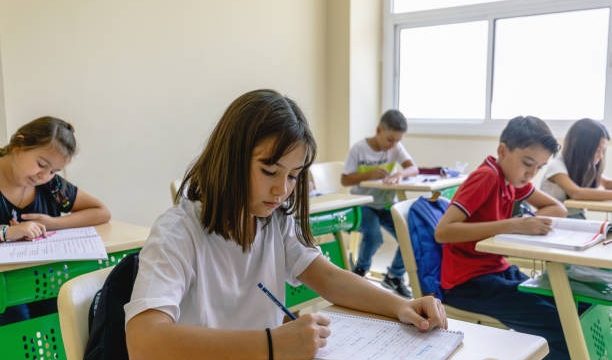
In the ever-evolving landscape of education, the quest to inspire student engagement remains a central focus for educators.
While traditional methods of teaching have their merits, the integration of diverse educational resources can breathe new life into the classroom experience.
These resources not only enrich the curriculum but also foster a more interactive and enjoyable learning environment. By exploring various tools and approaches, educators can ignite a spark of curiosity and enthusiasm among students.
One of the most effective ways to enhance student engagement is through the use of technology. Digital tools and platforms offer a wide array of resources that can cater to different learning styles. For instance, interactive simulations and educational games can transform complex concepts into enjoyable challenges. When students can visualize and manipulate information, they are more likely to grasp difficult subjects. This hands-on approach fosters a sense of ownership over their learning journey, encouraging them to delve deeper into the material.
Moreover, online resources provide access to a wealth of information that extends beyond the classroom walls. Virtual field trips, documentaries, and guest lectures from experts in various fields can expose students to real-world applications of their studies. This connection to the outside world not only makes the content more relevant but also inspires students to see the value in what they are learning. When they understand that their education has practical implications, their motivation to engage increases significantly.
A small shift toward balance can also be achieved by incorporating arts and creativity into the learning process. Projects that allow students to express their understanding through art, music, or drama can lead to a deeper connection with the material. For example, a history lesson can be transformed into a theatrical performance, enabling students to embody historical figures and events. This immersive experience not only solidifies their knowledge but also nurtures essential skills such as collaboration and communication.
In addition to technology and creative projects, fostering a sense of community within the classroom can enhance engagement. When students feel valued and connected to their peers, they are more likely to participate actively in discussions and activities. Encouraging collaborative learning through group projects or peer teaching can create a supportive atmosphere. In this environment, students can learn from one another and celebrate each other’s strengths, building a strong foundation of trust and camaraderie.
Another way to cultivate engagement is by offering choices in learning activities. Providing students with options allows them to take charge of their education, making them feel more invested in the process. Whether it’s selecting a topic for a research project or choosing how to present their findings, autonomy fosters a sense of responsibility. When students can explore their interests within the framework of the curriculum, they are more likely to stay engaged and motivated.
Connecting classroom learning to students’ personal lives can also play a significant role in fostering engagement. By relating academic content to real-life experiences, educators can help students see the relevance of their studies. For instance, math lessons can incorporate budgeting for a personal project, while science classes might explore environmental issues affecting the local community. When students recognize that their education has a direct impact on their lives, they are more inclined to participate actively.
It is also important to acknowledge the diverse backgrounds and experiences that each student brings to the classroom. Culturally responsive teaching can create an inclusive environment where all students feel respected and valued. By integrating multicultural perspectives into lessons and discussing various viewpoints, educators can encourage students to engage in meaningful conversations. This not only enriches the learning experience but also fosters empathy and understanding among peers.
As we consider the various educational resources available, it’s essential to remember the power of storytelling. Narratives can captivate students’ attention and make complex ideas more relatable. Incorporating stories into lessons can ignite imagination and curiosity, prompting students to explore themes and concepts more deeply. Whether through literature, personal anecdotes, or historical accounts, storytelling can be a powerful tool for engagement.
In the journey of encouraging student engagement, the role of feedback cannot be overlooked. Constructive feedback helps students understand their strengths and areas for growth. When educators provide specific and supportive feedback, it fosters a growth mindset, encouraging students to embrace challenges and learn from their mistakes. Celebrating small victories along the way can also motivate students, reinforcing the idea that progress is a journey rather than a destination.
Creating an inviting and dynamic classroom environment is another way to foster engagement. A well-organized, visually appealing space can stimulate curiosity and creativity. Incorporating flexible seating arrangements, vibrant displays of student work, and areas for collaboration can make the classroom feel more welcoming and engaging. When students feel comfortable in their surroundings, they are more likely to participate actively in discussions and activities.
Finally, it’s important to remember that engagement is a continuous journey rather than a fixed goal. Educators should remain open to new ideas and approaches, regularly reflecting on their practices and seeking feedback from students. This adaptability not only enhances the learning experience but also models lifelong learning for students. By demonstrating a commitment to growth and exploration, educators can inspire students to embrace curiosity and engagement throughout their educational journey.
In conclusion, utilizing educational resources to encourage student engagement is a multifaceted endeavor that requires creativity, empathy, and adaptability. By embracing technology, fostering community, offering choices, and connecting learning to real-life experiences, educators can create an enriching environment where students feel inspired to learn. Ultimately, the goal is to empower students to take ownership of their education, igniting a lifelong passion for learning that extends far beyond the classroom walls. Through thoughtful integration of diverse resources and a nurturing approach, we can cultivate a generation of engaged, curious, and empowered learners.