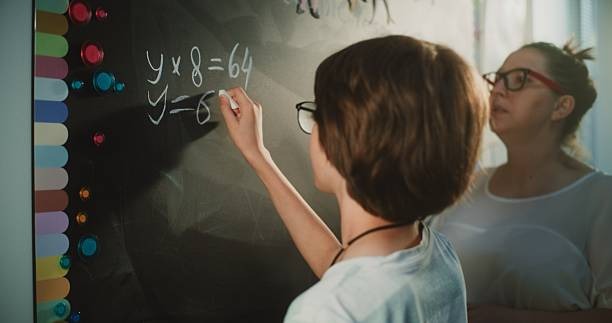
Math often gets a bad rap.
For many, it brings to mind images of long equations, tedious problem-solving, and the dreaded final exam.
However, if we take a step back and look at the broader picture, we might just uncover the fun side of math, a world where numbers dance, patterns emerge, and creativity flows.
Finding joy in math can be as simple as shifting our perspective. Instead of viewing it as a series of rigid rules to memorize, we can begin to see it as a language—a way to express ideas, solve puzzles, and understand the world around us. Just as we might appreciate a beautiful piece of art or a captivating story, we can learn to appreciate the elegance and beauty of mathematics.
Consider the concept of symmetry. Nature is filled with examples of symmetry, from the delicate wings of a butterfly to the intricate designs of snowflakes. These patterns not only captivate our eyes but also provide a mathematical foundation that can be explored. When we observe these natural wonders, we can start to appreciate how math plays a role in creating beauty. This connection between math and nature can spark curiosity and excitement, leading us to explore further.
Another delightful aspect of math is its role in games and puzzles. Board games, card games, and even video games often incorporate mathematical principles. Strategy games, for instance, require players to calculate probabilities and make decisions based on numbers. The thrill of outsmarting an opponent or solving a challenging puzzle can be exhilarating. By engaging with math in this playful context, we can develop a more positive relationship with the subject.
In our daily lives, we encounter math in various forms, often without realizing it. Cooking is a perfect example. When we follow a recipe, we’re engaging with measurements, ratios, and conversions. A simple adjustment to a recipe—like halving or doubling—requires us to employ basic math skills. As we mix ingredients and watch a dish come together, we can appreciate the math involved in the process. The satisfaction of creating a delicious meal can transform our perception of math from something abstract to something tangible and rewarding.
Art is another area where math shines. The use of geometry in painting, sculpture, and architecture illustrates the deep connection between these two fields. Artists often use mathematical concepts to create balance and harmony in their work. For instance, the golden ratio, a mathematical ratio often found in nature and classical art, can guide artists in achieving aesthetically pleasing compositions. By exploring the intersection of art and math, we can discover a whole new layer of creativity that makes both subjects more enjoyable.
A small shift toward balance can also be found in storytelling. Mathematics has a rich history filled with fascinating characters and compelling narratives. From ancient civilizations using math for trade and astronomy to modern mathematicians solving complex problems, the stories behind these discoveries can be incredibly inspiring. By learning about the lives and achievements of mathematicians, we can find motivation to engage with the subject in a more meaningful way.
Moreover, technology has opened up new avenues for exploring math in fun and interactive ways. With the rise of educational apps and online games, learning math has become more accessible and enjoyable. These tools often incorporate elements of play, allowing users to practice math skills in a low-pressure environment. The instant feedback and rewards provided by these platforms can make the learning experience feel less daunting and more engaging.
As we delve deeper into the world of numbers, we might also stumble upon fascinating mathematical concepts that challenge our thinking. For instance, the idea of infinity can be both mind-boggling and intriguing. When we contemplate something that has no end, it opens up a realm of possibilities that invites exploration. Engaging with such concepts can stimulate our curiosity and inspire us to look at math from a fresh perspective.
In the realm of community, math can foster connections among people. Math clubs, workshops, and community events often bring individuals together to explore and celebrate mathematics. These gatherings create a supportive environment where participants can share their experiences, learn from one another, and discover the joy of problem-solving as a group. The camaraderie that develops in these settings can make math feel less isolating and more like a shared adventure.
As we explore the fun side of math, it’s important to remember that everyone’s relationship with the subject is unique. For some, it may be about unraveling the mysteries of complex equations, while for others, it might be about enjoying the simplicity of patterns in nature. Embracing this diversity can enrich our understanding and appreciation of mathematics, reminding us that there is no one right way to engage with it.
Ultimately, the key is to approach math with an open mind and a sense of curiosity. By seeking out the connections between math and everyday life, we can transform our experiences and discover the joy that lies within. Whether it’s through art, nature, games, or community, there are countless opportunities to explore the playful side of math. As we embark on this journey, we may just find ourselves appreciating the beauty of numbers and the thrill of discovery along the way.
In a world often dominated by technology and rapid advancement, fostering a love for math can not only enhance our problem-solving skills but also deepen our understanding of the world. So, let’s embrace the fun side of math, allowing it to enrich our lives and inspire us to see the beauty that lies within the numbers.