In recent years, the concept of maker education has gained traction, bringing a fresh perspective to how we approach learning and skill development.
This hands-on, creative approach encourages individuals to engage with materials, tools, and technology in a way that fosters not just creativity, but also critical problem-solving skills.
The essence of maker education lies in its ability to empower learners to tackle real-world challenges through exploration and experimentation.
At its core, maker education taps into the natural curiosity that resides within all of us. It invites individuals to ask questions, brainstorm solutions, and engage in a process that often involves trial and error. This dynamic learning environment encourages experimentation, allowing students to embrace failure as a stepping stone toward success. When learners are given the freedom to create, they often discover that the process of problem-solving is just as valuable as the end result.
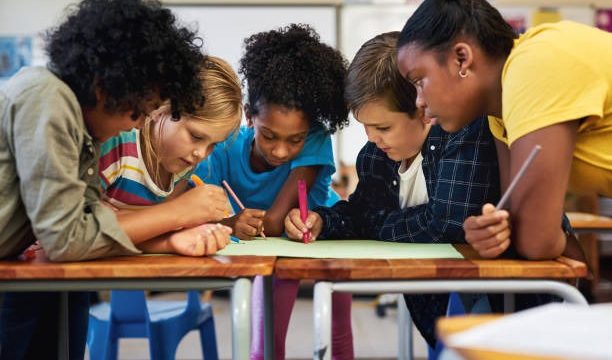
One of the most significant benefits of maker education is its emphasis on collaboration. When students work together on projects, they not only learn from one another but also develop essential interpersonal skills. In a world that increasingly values teamwork, the ability to communicate effectively and share ideas is paramount. Collaborative projects often lead to innovative solutions that might not have been possible in isolation. This spirit of cooperation nurtures a sense of community, where individuals feel supported in their endeavors, creating an environment that celebrates collective success.
As learners engage in maker activities, they are often faced with challenges that require them to think critically and creatively. Whether building a prototype, coding a program, or designing an artwork, they must analyze problems from multiple angles. This process encourages students to consider various perspectives and think outside the box. The beauty of maker education lies in its flexibility; there are no right or wrong answers, only opportunities for growth and discovery. This approach fosters resilience, teaching students that persistence is key when confronting obstacles.
In addition to enhancing problem-solving skills, maker education also promotes a sense of agency. When individuals are given the tools and resources to create, they begin to see themselves as capable problem solvers. This shift in mindset is crucial. It empowers learners to take ownership of their projects and inspires them to tackle challenges in their everyday lives. The confidence gained from successfully completing a maker project can translate into other areas, encouraging individuals to approach life’s hurdles with a proactive attitude.
The integration of technology into maker education further enriches the learning experience. With access to tools such as 3D printers, coding software, and robotics kits, learners can explore concepts in science, technology, engineering, and mathematics (STEM) in a hands-on manner. This engagement with technology not only enhances problem-solving skills but also prepares students for a future where digital literacy is increasingly important. As they navigate these tools, they learn to troubleshoot issues, adapt to new situations, and apply their knowledge in innovative ways.
Another remarkable aspect of maker education is its inclusivity. It caters to diverse learning styles and abilities, inviting everyone to participate in the creative process. Whether a student is a visual learner, a hands-on tinkerer, or an analytical thinker, maker education provides a platform for all types of learners to shine. This inclusivity fosters a sense of belonging, allowing individuals to share their unique perspectives and experiences, enriching the overall learning environment.
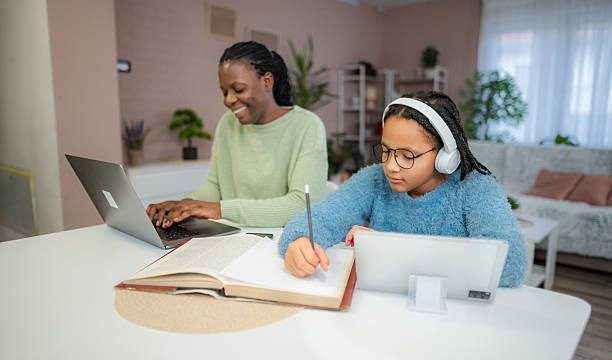
As we reflect on the role of maker education in supporting problem-solving skills, it becomes clear that this approach is not confined to classrooms. Maker principles can be applied in various settings, from community workshops to home projects. Families can engage in maker activities together, creating a bond through shared creativity and exploration. This family involvement not only nurtures problem-solving skills but also instills a love for learning that can last a lifetime.
Incorporating maker education into our daily lives can be as simple as setting aside time for creative projects. Whether it’s building a birdhouse, designing a personal website, or experimenting with new recipes, these activities provide opportunities for individuals to practice problem-solving in a relaxed and enjoyable environment. The key is to embrace curiosity and allow ourselves the freedom to explore without the pressure of perfection.
As we navigate an ever-changing world, the ability to solve problems creatively and collaboratively is more important than ever. Maker education offers a pathway to develop these essential skills, equipping individuals with the tools they need to face challenges head-on. By fostering a spirit of innovation and resilience, we can create a generation of problem solvers who are not only capable but also confident in their abilities.
In conclusion, maker education is a powerful approach that supports problem-solving skills through creativity, collaboration, and hands-on learning. It encourages individuals to embrace challenges, think critically, and work together to find solutions. As we continue to explore the potential of maker education, let us celebrate the journey of discovery it offers, recognizing that every project, every failure, and every success contributes to our growth as problem solvers in a complex world. Through this lens, we can see that maker education is not just about creating; it is about cultivating the skills and mindsets that will empower us to thrive in life.