In today’s interconnected world, the ability to collaborate effectively has become a cornerstone of success in virtually every field.
From business to healthcare, the capacity to work harmoniously with others is not just an asset; it’s a necessity.
As students embark on their university journeys, they often find that academic programs are not solely about gaining knowledge but also about cultivating skills that foster collaboration. This blend of education and interpersonal development prepares students for the complexities of teamwork in their future careers.
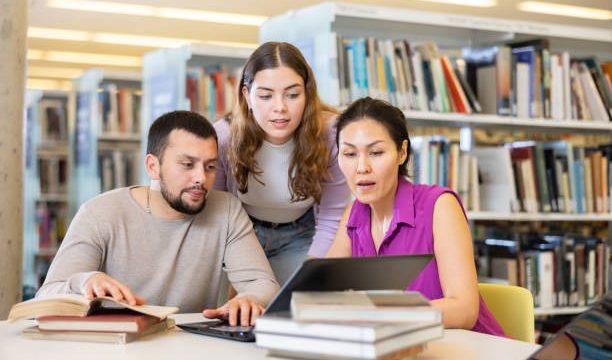
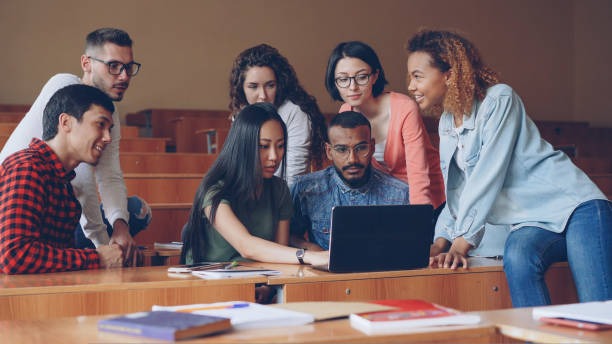
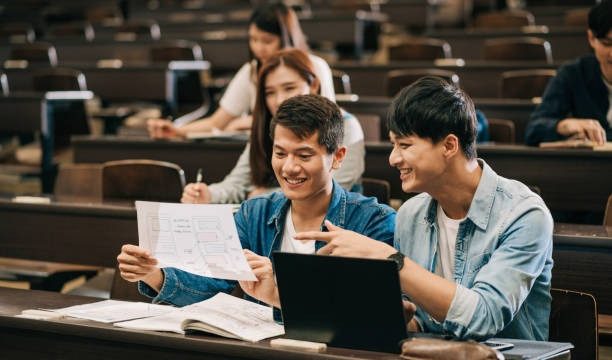
One of the most significant ways university programs facilitate collaboration is through group projects. These collaborative assignments encourage students to engage with their peers, share ideas, and tackle challenges together. While group work can sometimes be daunting, it serves as an invaluable platform for nurturing essential skills such as communication, compromise, and conflict resolution. When students work together, they learn to appreciate diverse perspectives, which enriches their understanding of the subject matter and enhances their ability to function in a team setting.
In addition to group projects, many university programs emphasize experiential learning opportunities. Internships, co-ops, and service-learning projects allow students to step outside the classroom and engage with real-world scenarios. These experiences often require collaboration with various stakeholders, including fellow interns, supervisors, and community members. By navigating these interactions, students develop an awareness of the dynamics of teamwork and the importance of adaptability in different environments. This exposure is crucial in building their confidence and competence in collaborative settings.
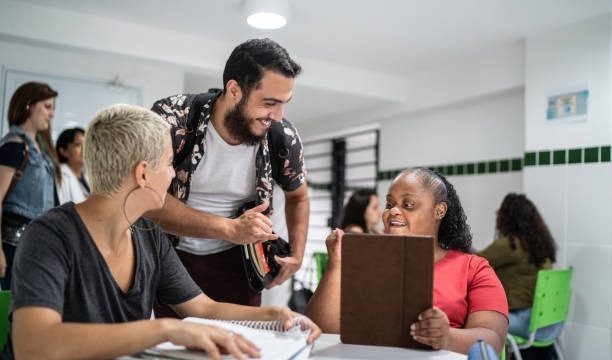
Another vital component of university education is the diverse range of extracurricular activities available to students. From clubs and organizations to sports teams, these activities provide a relaxed yet impactful avenue for students to connect with one another. Engaging in these groups fosters a sense of community and belonging, which is essential for effective collaboration. Through shared goals and interests, students learn to support one another, celebrate achievements, and navigate challenges together. This social aspect of university life often translates into a greater understanding of teamwork, as students experience firsthand the value of cooperation and mutual respect.
As universities increasingly recognize the importance of collaboration, many are integrating interdisciplinary approaches into their curricula. Programs that encourage students from different fields to work together on projects can lead to innovative solutions and fresh ideas. For instance, a business student collaborating with an engineering major on a product design project can provide insights that neither could achieve alone. This blending of disciplines not only enhances creativity but also prepares students for the collaborative nature of the modern workplace, where cross-functional teams are becoming the norm.
Mentorship is another powerful tool that universities employ to prepare students for collaboration. Faculty members and industry professionals often take on mentorship roles, guiding students through their academic and professional journeys. These relationships provide students with invaluable insights into the collaborative processes within their chosen fields. By learning from those who have walked the path before them, students can develop a deeper understanding of how to navigate team dynamics, communicate effectively, and lead with empathy.
Moreover, universities are increasingly focusing on developing soft skills that are essential for collaboration. Workshops, seminars, and courses on communication, emotional intelligence, and leadership are becoming integral parts of many programs. These offerings equip students with the tools they need to engage thoughtfully and effectively with others. By emphasizing the importance of these skills, universities are preparing students not just for academic success but for meaningful contributions in their professional lives.
A small shift toward balance is also evident in how universities are encouraging collaborative practices. Many institutions are fostering environments that prioritize mental well-being and work-life balance. This holistic approach recognizes that when students feel supported and balanced, they are more likely to engage positively with their peers. Programs that promote mindfulness, stress management, and self-care can enhance students’ ability to collaborate effectively, as they learn to approach teamwork with a clear mind and an open heart.
The impact of these collaborative experiences often extends beyond the classroom and into the broader community. Many university programs emphasize civic engagement and social responsibility, encouraging students to collaborate on projects that serve the greater good. Whether it’s working with local nonprofits, participating in community service, or engaging in advocacy efforts, these experiences help students understand the power of collaboration in effecting change. They learn that teamwork can transcend individual goals, creating a collective impact that benefits society as a whole.
As students prepare to enter a world that increasingly values collaboration, the lessons learned during their university years become invaluable. They carry forward the skills and experiences that have shaped their understanding of teamwork, empathy, and communication. These attributes not only enhance their employability but also enrich their personal lives, enabling them to build meaningful relationships and contribute positively to their communities.
In conclusion, university programs play a pivotal role in preparing students for collaboration by providing opportunities for group work, experiential learning, and interdisciplinary engagement. Through mentorship and skill development, students learn the nuances of teamwork, while a focus on well-being fosters an environment conducive to positive interactions. As they navigate their academic journeys, students emerge not only as knowledgeable individuals but as collaborative partners ready to take on the challenges of the modern world. In this way, the university experience becomes a transformative journey, equipping students with the tools they need to thrive in a collaborative future.