In today’s fast-paced world, the journey through education and career development can often feel overwhelming.
The pressure to succeed and the constant evolution of job markets can make the task of career planning seem daunting.
However, what if we could transform this journey into an engaging and informative experience? By infusing a sense of fun and creativity into career curriculum, we can pave the way for a more enjoyable and fulfilling exploration of career possibilities.
A gentle approach to learning
When we think about career curriculum, the traditional classroom setting often comes to mind. However, learning doesn’t have to be confined to four walls. Imagine a curriculum that embraces real-world experiences, interactive workshops, and collaborative projects. By stepping outside the conventional classroom, students can connect theory with practice, making the learning process not only informative but also enjoyable.
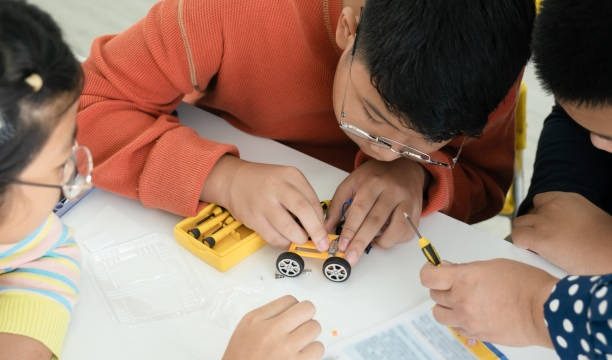
Incorporating elements like role-playing, simulations, and hands-on activities can bring a new dimension to career education. For instance, students might engage in mock interviews or create their own businesses as part of a project. This kind of experiential learning allows them to explore different roles and industries in a way that feels relevant and exciting. The more they can see and feel what a career entails, the more engaged and motivated they will become.
Connecting passions with professions
One of the most effective ways to make career curriculum fun is by aligning it with students’ interests and passions. When learners are encouraged to explore careers that resonate with them personally, the process becomes much more engaging. For example, a student who loves technology might thrive in a curriculum that includes coding workshops or discussions with tech professionals. By connecting their passions to potential career paths, students can envision themselves in various roles and feel empowered to pursue those interests.
This connection can also help in dispelling common misconceptions about certain careers. Many students may shy away from fields they perceive as too difficult or uninteresting. By providing opportunities for exploration and discussion, educators can guide students to discover the diverse paths available to them, leading to a more informed and enthusiastic approach to their future.
Fostering a supportive community
Creating a fun and informative career curriculum also involves building a supportive community where students feel safe to express their thoughts and aspirations. When students are encouraged to share their career dreams and concerns, it fosters a sense of belonging and camaraderie. This support can come from peers, mentors, or educators who are genuinely invested in their success.
Mentorship programs can play a vital role in this process. By pairing students with professionals in their fields of interest, they gain invaluable insights and encouragement. These relationships can demystify the career journey and provide practical advice that resonates with students. When learners see real-life examples of success and hear personal stories of resilience, they are more likely to feel inspired and motivated.
Embracing technology in learning
In our digital age, technology is an integral part of career development. Incorporating tech tools into the curriculum can make learning both fun and effective. Online platforms for career exploration, virtual internships, and interactive webinars can complement traditional methods and engage students in new ways.
For instance, students can participate in virtual job shadowing, allowing them to observe professionals in action from the comfort of their homes. This innovative approach not only broadens their understanding of various fields but also makes learning more accessible. By harnessing technology, educators can create a dynamic curriculum that resonates with today’s learners.
The power of storytelling
Another way to cultivate an engaging career curriculum is through storytelling. Every career path is filled with unique journeys and experiences, and sharing these narratives can inspire and inform students. Inviting guest speakers to share their career stories can provide insight into the challenges and triumphs faced in different professions.
Storytelling not only humanizes the career journey but also highlights the importance of perseverance and adaptability. When students hear about the winding paths that many professionals have taken, they realize that success is not always linear. This understanding can alleviate some of the pressure they may feel and encourage them to embrace their own unique journeys.
Nurturing soft skills
While technical skills are essential, the importance of soft skills cannot be overstated. Integrating soft skills training into the curriculum can enhance students’ overall readiness for the workforce. Skills such as communication, teamwork, and problem-solving are invaluable in any career.
Incorporating activities that promote these skills can make learning more enjoyable. Group projects, presentations, and collaborative problem-solving exercises can foster a sense of teamwork and camaraderie among students. These experiences not only prepare them for future work environments but also create lasting memories of learning and growth.
Reflecting on personal growth
As students navigate their career paths, encouraging self-reflection can be a powerful tool. Providing opportunities for personal growth and assessment can help learners understand their strengths and areas for improvement. Journaling, group discussions, or individual assessments can facilitate this process, allowing students to connect their experiences with their career aspirations.
By reflecting on their journeys, students can develop a clearer understanding of what they want from their careers and the steps they need to take to get there. This process of self-discovery is not only informative but also builds confidence and resilience.
Creating a legacy of exploration
Ultimately, the goal of making career curriculum fun and informative is to create a legacy of exploration and curiosity. By fostering a love for learning and an openness to new experiences, we empower students to embrace their unique paths and pursue their passions.
As educators, mentors, and community members, our role is to guide and support learners on their journeys. By creating a vibrant and engaging career curriculum, we not only prepare students for the workforce but also inspire them to become lifelong learners. In this ever-changing world, the ability to adapt, explore, and grow is perhaps the most valuable skill of all.