In today’s fast-paced world, the ability to communicate effectively is more important than ever.
Whether in professional settings or personal relationships, strong communication skills can pave the way for deeper connections and greater understanding.
Mentoring programs that focus on enhancing these skills provide a nurturing environment where individuals can grow and thrive.
The essence of mentorship lies in the relationship formed between a mentor and a mentee. This bond is often characterized by trust, respect, and a shared goal of personal and professional development. In many cases, mentoring programs are designed to help individuals identify and refine their communication abilities, ultimately leading to more fruitful interactions in various aspects of their lives.
An enriching mentor-mentee relationship can serve as a powerful catalyst for change. When mentees engage in open dialogue with their mentors, they are encouraged to express their thoughts and feelings in a safe space. This process not only builds confidence but also helps mentees learn the nuances of effective communication, including active listening, empathy, and clarity of expression.
The beauty of mentoring is that it often allows for a two-way exchange of ideas. Mentors can share their experiences and insights, while mentees can offer fresh perspectives. This reciprocal learning fosters a dynamic environment where communication skills can flourish. It’s not just about one person teaching another; it’s a collaborative journey that enriches both parties.
A small shift toward balance can be found in the way mentoring programs are structured. Many of them focus on hands-on, experiential learning rather than traditional classroom settings. For instance, role-playing scenarios can be an effective way to practice communication skills in real-world situations. By simulating challenging conversations—whether it’s delivering feedback, negotiating, or simply having a difficult discussion—mentees can gain valuable experience that translates into greater confidence and proficiency in their daily interactions.
Moreover, mentoring programs often emphasize the importance of non-verbal communication. Body language, facial expressions, and tone of voice can significantly impact how messages are received. By working closely with mentors, individuals can learn to become more aware of these subtle cues and how to use them to their advantage. This heightened awareness can lead to more meaningful conversations and a deeper understanding of others’ perspectives.
The role of feedback in mentoring cannot be understated. Constructive criticism, when delivered thoughtfully, can illuminate areas for improvement. Mentors can guide mentees in recognizing their communication strengths and weaknesses, providing them with the tools needed to enhance their skills. This process of reflection and growth is invaluable, as it encourages mentees to take ownership of their development and strive for continuous improvement.
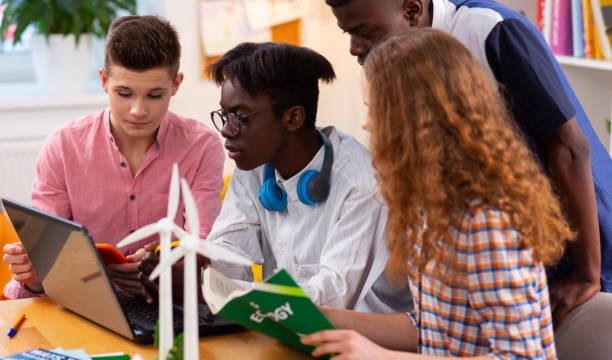
In addition to one-on-one mentoring, group mentoring programs can also be incredibly beneficial. These settings allow individuals to engage with others who are on similar journeys, creating a supportive community. Group discussions can provide diverse viewpoints and foster collaborative problem-solving. Participants often find that sharing their experiences and listening to others can inspire new ways of thinking and communicating.
An essential aspect of successful mentoring programs is the cultivation of emotional intelligence. Understanding one’s own emotions, as well as those of others, plays a crucial role in effective communication. Mentoring relationships often encourage self-reflection and emotional awareness, helping mentees navigate complex social dynamics with greater ease. As individuals become more attuned to their emotions and those of others, they can respond more thoughtfully and constructively in conversations.
As mentees progress in their communication journey, they often find that the skills they’ve developed extend beyond verbal interactions. Written communication, for instance, is another crucial area where mentoring can make a significant impact. Whether it’s crafting emails, reports, or presentations, the ability to convey ideas clearly and effectively is essential in today’s workplace. Mentors can provide guidance on writing techniques, helping mentees express their thoughts with precision and clarity.
In this digital age, where communication often takes place through screens, the importance of honing these skills cannot be overlooked. Mentoring programs that address both in-person and digital communication can prepare individuals to navigate various platforms with confidence. From understanding the nuances of tone in written communication to mastering video conferencing etiquette, mentees can emerge well-equipped for the demands of modern communication.
As we reflect on the value of mentoring programs, it becomes clear that they offer much more than just skill development. They create a space for connection, growth, and understanding. The relationships formed in these programs can lead to lifelong friendships and networks that extend beyond the initial mentoring experience.
In essence, mentoring programs that focus on fostering communication skills not only empower individuals to express themselves more effectively but also encourage them to listen and engage with others on a deeper level. As participants learn to navigate the complexities of human interaction, they cultivate a sense of empathy and understanding that can enrich their personal and professional lives.
Ultimately, the journey of enhancing communication skills through mentoring is one of self-discovery and transformation. It’s an opportunity to explore the nuances of language, the power of connection, and the beauty of shared experiences. As individuals embark on this path, they not only become better communicators but also more compassionate and understanding human beings. In a world that thrives on connection, these skills are truly invaluable.