Listening is often an overlooked skill in a world buzzing with constant noise and distractions.
However, developing early listening skills is crucial for children, as these abilities lay the foundation for effective communication, emotional intelligence, and social interaction.
Just as we encourage children to explore their world through sight and touch, nurturing their capacity to listen can open up a world of understanding and connection.
In the early years, children are naturally curious and eager to absorb information. This is a prime time to cultivate their listening skills. While it may seem simple to just hear sounds, true listening involves deeply engaging with those sounds, understanding their meanings, and responding appropriately. It’s a skill that requires practice and guidance, and the journey can be both rewarding and enjoyable for both children and caregivers.
Creating a nurturing environment for listening begins at home. One of the most effective ways to foster this skill is through daily interactions. When you talk with a child, make it a point to engage them in conversation. Ask open-ended questions that encourage them to think and respond. Instead of simply asking, “Did you have a good day?” you might say, “What was the best part of your day?” This small shift invites them to share more, encouraging them to listen to their own thoughts and articulate them.
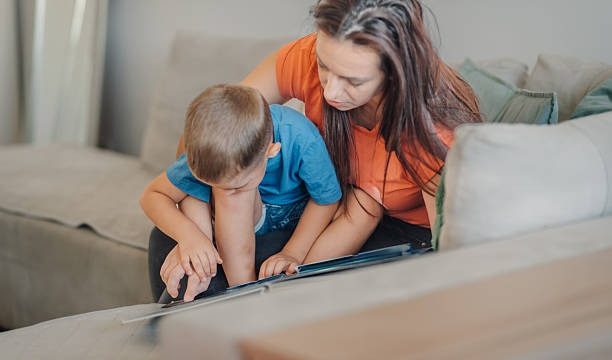
Reading together is another wonderful opportunity to enhance listening skills. Choose books that captivate their imagination, and as you read, pause occasionally to ask questions about the story or the characters. This encourages children to listen not just to the words, but to the narrative and the emotions conveyed. It also helps them learn to connect ideas, fostering critical thinking and comprehension skills.
Music and rhythm also play a significant role in developing listening abilities. Singing songs, clapping to beats, or even simply enjoying different genres of music together can enhance auditory discrimination. Children learn to pick up on nuances in sounds, which can improve their ability to discern different tones and pitches in conversation. Encourage them to listen to the lyrics of their favorite songs, discussing the meanings behind the words and how they relate to their own experiences.
Another gentle way to nurture listening skills is through play. Engaging in games that require listening can be both fun and beneficial. Activities like “Simon Says” or even simple follow-the-leader games help children practice paying attention to verbal instructions. These playful interactions not only develop their ability to listen but also strengthen their capacity to follow directions and work collaboratively with others.
As children grow, it’s important to model good listening behaviors. Show them how to be present in conversations by maintaining eye contact and responding thoughtfully. When they speak, give them your full attention. This not only demonstrates the value of listening but also reinforces the idea that their thoughts and feelings are important. Children learn by example, and your active listening will encourage them to mirror that behavior.
Mindfulness practices can also be woven into daily routines to enhance listening skills. Simple exercises, such as sitting quietly and focusing on the sounds around them, can help children develop their auditory awareness. Encourage them to close their eyes and identify different sounds—perhaps the rustling of leaves, the chirping of birds, or even household sounds. This practice fosters concentration and helps them become more attuned to their environment.
As technology becomes an integral part of our lives, it’s essential to strike a balance between screen time and real-life interactions. While educational apps and shows can provide valuable information, nothing can replace the richness of face-to-face communication. Encourage activities that promote direct engagement with others, such as family game nights or outdoor adventures. These experiences not only enhance listening skills but also create cherished memories and strengthen relationships.
Fostering a sense of empathy is another vital aspect of developing listening skills. Encourage children to think about how others might feel in various situations. Discussing emotions and perspectives helps them understand the importance of listening not just to words but to the feelings behind them. This understanding can lead to deeper connections with their peers and family members, enhancing their social interactions.
As children develop their listening skills, it’s important to celebrate their progress. Acknowledge their efforts and improvements, no matter how small. Positive reinforcement can motivate them to continue honing this skill. Share stories of how good listening has benefited you in your own life, reinforcing the idea that this is a lifelong journey.
Ultimately, developing early listening skills is about creating a rich tapestry of experiences that encourage children to engage with the world around them. It’s about more than just hearing sounds; it’s about understanding, relating, and responding. By fostering a supportive environment filled with conversation, music, play, and empathy, you are equipping children with the tools they need to navigate their lives with confidence and grace.
In this busy world, taking the time to nurture listening skills can have a profound impact on a child’s development. As they grow, these abilities will serve them well in countless ways, from building friendships to resolving conflicts. By investing in their listening journey today, you’re helping them to become not just better listeners but also compassionate individuals who appreciate the beauty of connection. In doing so, you’re not only enriching their lives but also creating a more harmonious world for everyone.