In a world that is increasingly interconnected, the ability to communicate effectively across languages is more important than ever.
For many, the journey of learning a new language can feel daunting, but it can also be an enriching experience that enhances not only communication skills but also cognitive abilities and cultural understanding.
One particularly effective approach to language learning is bilingual instruction, which offers a unique pathway to enhancing vocabulary and fostering a love for language.
The beauty of bilingual instruction lies in its ability to create a natural and immersive learning environment. When learners are exposed to two languages simultaneously, they begin to see the connections between them, which can deepen their understanding of both. This exposure encourages curiosity and exploration, allowing learners to engage with words and phrases in a way that feels organic rather than forced. By weaving together languages, students can develop a richer vocabulary that transcends the limitations of a single language.
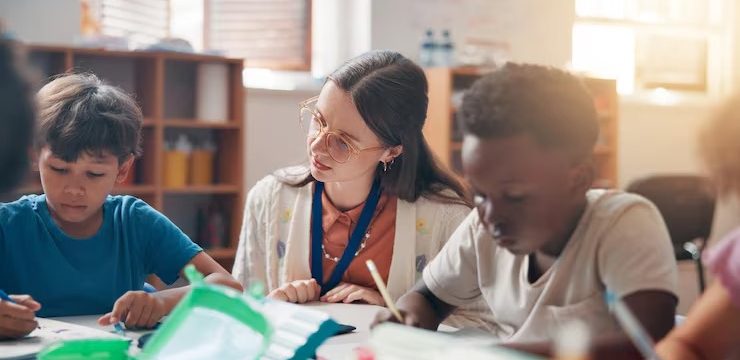
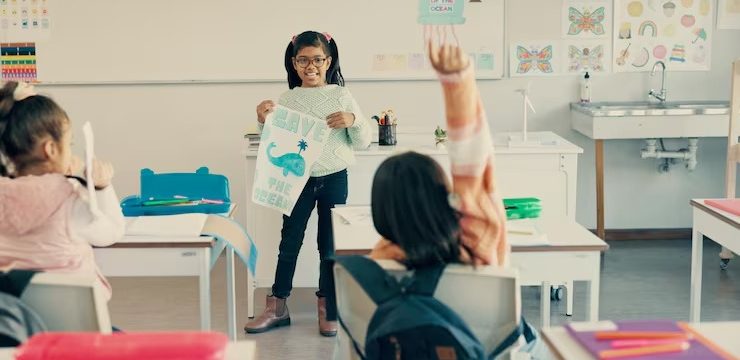
Imagine a classroom filled with the sounds of laughter and conversation in both English and Spanish. In this dynamic environment, students are not merely memorizing vocabulary lists; they are experiencing language in context. They might read a story in English and then discuss it in Spanish, drawing on their growing vocabulary in both languages. This kind of interaction not only solidifies their understanding of new words but also helps them to use these words in meaningful ways. It’s a gentle reminder that language is not just a series of rules and definitions but a living, breathing entity that evolves with use.
One of the most heartwarming aspects of bilingual instruction is the way it fosters cultural appreciation. Language is deeply intertwined with culture, and by learning a second language, students gain insights into the customs, traditions, and perspectives of different communities. This cultural lens enriches their vocabulary, as they learn not just words but the stories and histories behind them. It offers a broader context that can make learning more relatable and exciting. As students explore the nuances of language, they begin to appreciate the richness of diversity, fostering empathy and understanding in a world that sometimes feels fragmented.
For parents and educators, incorporating bilingual instruction into everyday life can be a transformative experience. It doesn’t have to be confined to the classroom. Simple activities, such as reading bilingual books at home, labeling items around the house in both languages, or engaging in conversations that switch between languages, can create a nurturing environment for vocabulary growth. Even casual exposure to music, films, or podcasts in another language can spark interest and enhance understanding. These small, consistent efforts can make a significant impact on a child’s language development.
A gentle shift in perspective can also be beneficial. Rather than viewing language learning as a challenge, it can be embraced as an adventure. Encourage learners to explore new words without fear of making mistakes. Mistakes are a natural part of the learning process, and they often lead to the most memorable lessons. When students feel safe to experiment with language, they are more likely to expand their vocabulary and use it creatively. This playful approach can lead to a lifelong love of language that transcends the classroom.
As we explore the benefits of bilingual instruction, it’s important to acknowledge the role of technology in this journey. In today’s digital age, there are countless resources available to support language learners. From interactive apps to online language exchange platforms, technology can provide engaging opportunities for practice and connection. Students can converse with native speakers or participate in virtual language clubs, enhancing their vocabulary and confidence in a supportive setting. The key is to find resources that resonate with the learner’s interests, making the process enjoyable and motivating.
Another enriching aspect of bilingual instruction is the cognitive benefits associated with learning multiple languages. Research suggests that bilingual individuals tend to develop stronger problem-solving skills, improved multitasking abilities, and enhanced memory. These cognitive advantages can complement vocabulary growth, as learners become adept at navigating different linguistic landscapes. The mental flexibility gained from bilingualism can open doors not only in language learning but also in other areas of life, fostering a sense of resilience and adaptability.
In nurturing vocabulary through bilingual instruction, it’s essential to create a supportive community. Engaging with others who share a passion for language can provide encouragement and motivation. Language meet-ups, cultural events, or even online forums can serve as platforms for sharing experiences and learning together. These connections can reinforce the idea that language learning is a shared journey, one that is enriched by collaboration and camaraderie.
Ultimately, enhancing vocabulary through bilingual instruction is about more than just acquiring words; it’s about building bridges between cultures, fostering understanding, and nurturing a love for language that lasts a lifetime. As we navigate the complexities of our global society, the ability to communicate across languages becomes a vital skill. Bilingual instruction offers a pathway to not only expand our vocabulary but also to embrace the beauty of diversity and the richness of human connection.
In this ever-evolving world, let us celebrate the power of language as a tool for personal growth and cultural appreciation. By embracing bilingual instruction, we embark on a journey that transforms our understanding of communication and opens our hearts to the stories that unite us all. Through this gentle exploration, we cultivate a vibrant tapestry of words that reflects the beauty of our shared human experience.