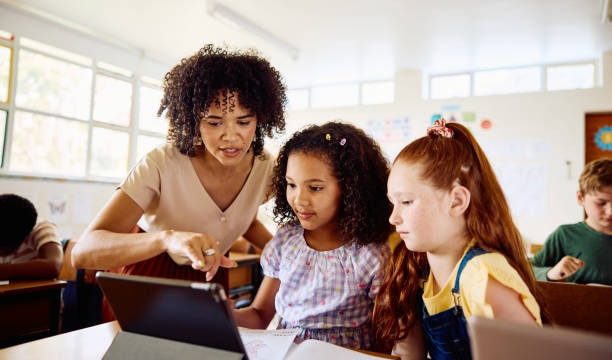
Supporting Social and Emotional Growth
In today’s fast-paced world, the importance of nurturing social and emotional growth often gets overshadowed by the demands of daily life.
Yet, fostering these essential skills can lead to a more fulfilling and harmonious existence.
Whether you are a parent, a teacher, or simply someone looking to enrich your own life, understanding the nuances of social and emotional development can empower you to create supportive environments for yourself and others.
The journey of social and emotional growth begins with self-awareness. This foundational element involves recognizing your own emotions, understanding how they influence your behavior, and acknowledging the impact they have on your interactions with others. When you take the time to reflect on your feelings, you open the door to deeper connections. It’s a gentle reminder that being in tune with yourself can enhance your relationships, allowing for more authentic communication.
Creating a nurturing environment is another vital aspect of supporting emotional growth. This can be as simple as fostering open communication within your family or community. When individuals feel safe to express their thoughts and feelings, they are more likely to develop empathy and understanding. Listening actively—without judgment—creates a space where everyone feels valued. A warm atmosphere encourages individuals to share their experiences, which can lead to learning from one another and building resilience together.
Encouraging emotional expression is also essential. Whether through art, writing, or conversation, finding healthy outlets for feelings allows individuals to process their emotions constructively. Activities like journaling can serve as a powerful tool for reflection. By putting thoughts on paper, one can gain clarity and insight, paving the way for personal growth. Similarly, creative pursuits can act as a bridge to understanding oneself and others, fostering deeper emotional connections.
A small shift toward balance can make a world of difference in our daily lives. Mindfulness practices, such as meditation or simple breathing exercises, can help ground individuals in the present moment. These practices not only reduce stress but also enhance emotional regulation. When we learn to pause and observe our feelings without judgment, we create space for thoughtful responses rather than reactive ones. This shift in perspective can lead to healthier interactions and improved relationships.
Social skills are equally important in the realm of emotional growth. Developing skills like cooperation, conflict resolution, and active listening can significantly enrich our connections with others. Role-playing scenarios can be a fun and engaging way to practice these skills, especially with children. By acting out different situations, individuals can explore various responses and learn to navigate social dynamics with greater ease. The beauty of this practice lies in its ability to build confidence and foster a sense of belonging.
Encouraging empathy is another key component of emotional growth. When we cultivate the ability to understand and share the feelings of others, we create a more compassionate world. Simple acts, such as volunteering or engaging in community service, can provide opportunities to connect with diverse perspectives. These experiences not only enhance empathy but also instill a sense of gratitude and appreciation for the varied experiences of life.
In this journey, it’s important to remember that setbacks are a natural part of growth. Embracing challenges as learning opportunities can foster resilience. When individuals encounter difficulties, whether in relationships or personal experiences, it’s essential to approach these moments with kindness and understanding. Reflecting on what went wrong and discussing it openly can lead to valuable insights, ultimately strengthening relationships and personal resolve.
Building a supportive community also plays a crucial role in emotional development. Surrounding oneself with positive influences can inspire growth and encourage individuals to strive for their best selves. Whether it’s through friendships, family ties, or community organizations, having a network of supportive individuals can significantly impact one’s emotional well-being. Engaging with others who share similar values and goals creates an atmosphere of encouragement and mutual respect.
Practicing gratitude can be a transformative aspect of supporting social and emotional growth. Taking a moment each day to acknowledge the positive aspects of life can shift our focus from what we lack to what we have. This practice can enhance overall happiness and foster a sense of connection with others. When we express gratitude, whether through words or actions, we strengthen our relationships and create a ripple effect of positivity.
As we navigate our own emotional landscapes, it’s essential to encourage others to do the same. Sharing resources, whether books, articles, or workshops, can provide valuable tools for personal development. By fostering a culture of learning and growth, we not only support ourselves but also uplift those around us. This collective journey toward emotional intelligence can lead to profound changes in our communities and relationships.
In conclusion, supporting social and emotional growth is a multifaceted endeavor that requires patience, empathy, and a commitment to self-improvement. By nurturing self-awareness, creating supportive environments, and encouraging open communication, we lay the groundwork for healthier relationships. As we embrace the journey of emotional development, we not only enrich our own lives but also contribute to a more compassionate world. Whether through small daily practices or broader community initiatives, every step taken toward emotional growth is a step toward a brighter future for ourselves and those around us.