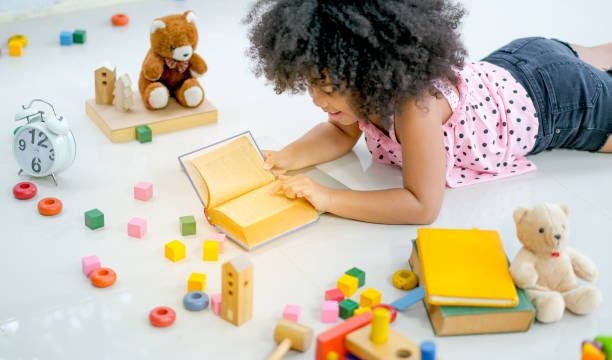
Writing is a magical journey, especially for young minds eager to explore the world around them.
For kindergarten students, the ability to express thoughts and ideas through writing is not just a skill; it’s an exciting adventure that fosters creativity and self-confidence.
By incorporating fun writing exercises into their daily routine, teachers and parents can nurture a love for writing that will last a lifetime. Let’s explore some delightful exercises that can spark joy and imagination in young writers.
Creating a Story Together
One of the most enjoyable ways to engage kindergarten students in writing is through collaborative storytelling. Gather a small group of children and begin by crafting a simple story together. Start with an engaging sentence, such as, “Once upon a time, in a land filled with candy trees…” Allow each child to contribute a sentence or two. As the story unfolds, encourage them to let their imaginations run wild. You might be surprised at the creative twists and turns the narrative takes.
This exercise not only enhances their writing skills but also teaches the importance of teamwork and listening to others’ ideas. At the end of the session, you can write the complete story down and illustrate it together. This visual representation will help solidify their understanding that writing can be both fun and meaningful.
The Picture Prompt Adventure
Visual prompts are a wonderful way to stimulate young minds. Choose a captivating image—perhaps a colorful scene of a beach, a bustling city, or a forest filled with whimsical creatures. Present the image to the children and ask them to describe what they see. This can be done verbally, or they can write a few sentences about the picture. Encourage them to explore their feelings and thoughts about the scene, asking questions like, “What sounds do you hear?” or “Who might live there?”
This exercise allows children to practice their descriptive writing skills while also tapping into their imagination. It’s a gentle way to show them that writing can be inspired by the world around them.
The Magic of Journaling
Introducing a journaling practice can be a delightful experience for kindergarten students. Provide each child with a small notebook where they can express their thoughts, feelings, and experiences. Encourage them to write or draw about their day, favorite activities, or special moments. You might suggest prompts like, “What made you smile today?” or “If you could be any animal, what would you be and why?”
Journaling fosters self-expression and provides a safe space for children to articulate their emotions. It’s a personal journey that can help them develop a deeper understanding of themselves and their surroundings. Plus, looking back on their entries can be a joyous experience, as they see how their thoughts and ideas have evolved.
Word Games for Writers
Incorporating word games into writing exercises can make learning feel like play. Games like rhyming challenges, where children come up with words that rhyme with “cat” or “tree,” can be both entertaining and educational. You can also introduce simple word association games that encourage them to think creatively. For instance, say a word like “sun,” and have them quickly respond with the first word that comes to mind, such as “happy” or “beach.”
These playful activities not only expand their vocabulary but also help them understand the rhythm and flow of language. By making writing feel like a game, you create a relaxed atmosphere where children can feel free to explore their creativity.
Crafting Letters to Friends
Writing letters can be a delightful way for kindergarten students to connect with their peers. Encourage them to write short letters or notes to their friends or family members. They can share something they enjoyed doing together or express gratitude for a fun day out. This exercise helps children practice their writing skills while also fostering relationships and communication.
You might even consider setting up a “mailbox” in the classroom or at home where children can drop off their letters. The anticipation of receiving a letter in return can make this experience even more exciting. Through letter writing, children learn the basics of written communication and the joy of sharing their thoughts with others.
Exploring Sensory Writing
Engaging multiple senses can enhance the writing experience for kindergarten students. Create a sensory writing activity where children use their senses to gather ideas. For example, take them outside to observe the sounds of nature, the feel of grass beneath their feet, or the vibrant colors of flowers. After this sensory exploration, encourage them to write about their experiences using descriptive language.
This exercise not only encourages creativity but also helps children develop observational skills. By connecting writing to sensory experiences, they can create more vivid and engaging narratives.
Imaginary Worlds and Characters
Encouraging children to create their own imaginary worlds and characters can be a wonderful way to inspire writing. Ask them to envision a unique land or a special character with extraordinary abilities. They can draw pictures of their creations and then write a short story about their adventures.
This exercise allows children to dive deep into their imaginations while practicing their writing skills. It fosters creativity and shows them that writing is a powerful tool for storytelling. As they develop their characters and plots, they’ll gain confidence in their ability to express complex ideas.
Celebrating Their Work
Finally, it’s essential to celebrate the writing journey of kindergarten students. Whether it’s through a mini-publishing party or a simple sharing session in class, giving children the opportunity to present their work can boost their confidence. Encourage them to read their stories aloud or display their illustrations. This recognition not only validates their efforts but also reinforces the idea that writing is something to be proud of.
By incorporating these fun writing exercises into their routine, kindergarten students can embark on a joyful journey of self-discovery and creativity. Writing becomes a delightful adventure, filled with imagination and expression, setting the foundation for a lifelong love of words. With each exercise, they learn that their voices matter, and their stories are worth sharing.