In today’s rapidly evolving world, technology is not just a tool; it has become a vital part of our daily lives.
From smartphones to smart homes, technology shapes how we communicate, learn, and solve problems.
This integration of technology into our lives opens the door to a unique approach to education that emphasizes problem-solving skills. As we delve into this topic, we will explore how technology education fosters critical thinking, creativity, and resilience—essential qualities for navigating life’s challenges.
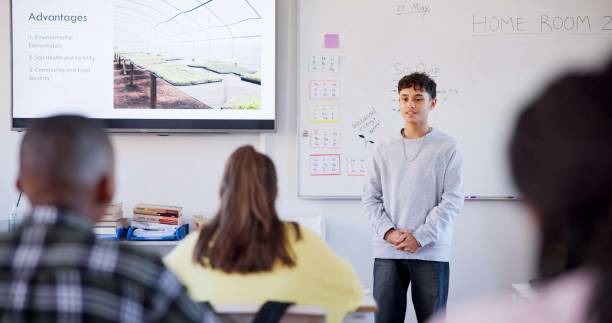
Engaging with technology in an educational setting allows students to step into a world of exploration and discovery. Rather than simply memorizing facts, learners are encouraged to ask questions, seek solutions, and experiment. This hands-on approach cultivates a mindset that embraces challenges and sees failures as opportunities for growth. When students engage with technology, they often find themselves confronted with real-world problems that require innovative thinking. For instance, programming a robot to complete a task involves understanding both the technology and the problem at hand, promoting a deeper level of engagement and understanding.
One of the most striking aspects of technology education is its ability to foster collaboration. In many tech-driven classrooms, students work together on projects, sharing ideas and perspectives. This collaboration not only enhances their social skills but also teaches them the value of teamwork in problem-solving. When faced with a challenge, students learn to communicate effectively, listen to differing viewpoints, and combine their strengths to find a solution. This sense of community nurtures a supportive environment where students feel comfortable taking risks and trying new approaches.
As students delve deeper into technology education, they also learn to think critically about the information they encounter. In a world overflowing with data, the ability to analyze and synthesize information is invaluable. Technology encourages learners to question the validity of sources, discern fact from opinion, and develop their own informed perspectives. This critical lens is essential not only in academic settings but also in everyday life, as individuals navigate a landscape filled with information and misinformation. By fostering these skills, technology education empowers students to become informed citizens capable of making thoughtful decisions.
Creativity flourishes in technology-driven environments, where traditional boundaries of learning are often blurred. Students are encouraged to explore various mediums and tools to express their ideas. Whether coding a game, designing a website, or creating a digital art project, the possibilities are endless. This creative freedom not only enhances engagement but also encourages students to approach problems from multiple angles. When faced with a challenge, they are more likely to think outside the box, leading to innovative solutions that might not have emerged in a more conventional learning environment.
The journey through technology education also instills resilience in students. As they encounter obstacles—be it a coding error or a design flaw—they learn the importance of persistence. Rather than becoming discouraged, they develop a growth mindset that views challenges as stepping stones rather than roadblocks. This resilience is a crucial life skill, preparing students to face not only academic challenges but also the uncertainties of life beyond the classroom. The ability to bounce back from setbacks and keep pushing forward is an invaluable asset in today’s fast-paced world.
A small shift toward balance occurs when technology education is integrated thoughtfully into the curriculum. While the benefits are significant, it’s essential to maintain a holistic approach that considers emotional and social development alongside technical skills. Educators play a pivotal role in this balance, guiding students to use technology as a tool for exploration rather than a crutch. By emphasizing the importance of face-to-face interactions and emotional intelligence, they help students cultivate a well-rounded skill set that encompasses both problem-solving and interpersonal relationships.
As technology continues to advance, so too does the landscape of education. The rise of artificial intelligence, virtual reality, and other emerging technologies presents new opportunities for problem-solving. Students are now able to engage with complex simulations that allow them to experiment and learn in ways that were previously unimaginable. This exposure to cutting-edge technology not only enhances their learning experience but also prepares them for future careers in an increasingly tech-driven job market.
Ultimately, the integration of technology in education is about more than just learning to code or use software; it’s about nurturing a mindset that thrives on curiosity and creativity. By embracing technology, educators can create environments that encourage students to ask questions, seek solutions, and collaborate with their peers. This shift in focus leads to the development of essential skills that extend far beyond the classroom, equipping students to tackle the challenges of the future with confidence.
As we reflect on the impact of technology education, it becomes clear that the benefits are profound and far-reaching. Students who engage with technology not only become adept at navigating digital landscapes but also develop critical life skills that will serve them well in any endeavor they pursue. In a world where change is the only constant, fostering problem-solving abilities through technology education is a gift that will empower the next generation to thrive.
In conclusion, the journey of learning through technology is a beautiful blend of creativity, collaboration, and critical thinking. It encourages students to embrace challenges, learn from failures, and approach problems with an open mind. As we continue to explore the intersection of technology and education, we can look forward to a future where problem-solving becomes second nature, enabling individuals to navigate the complexities of life with grace and confidence.