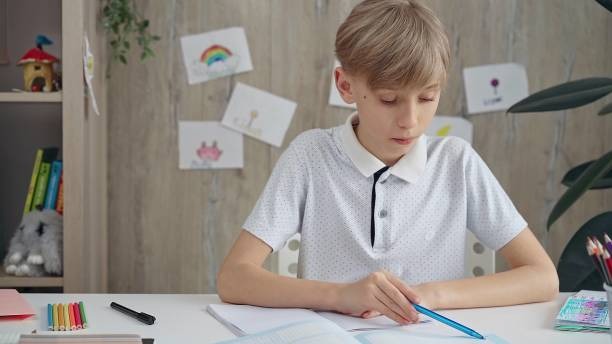
In the world of early childhood education, fostering curiosity is one of the most vital components of a child’s development.
Kindergarten is a magical time when young minds are eager to explore, ask questions, and discover the world around them.
With a little creativity and thoughtful planning, educators and parents can create engaging projects that not only captivate children’s imaginations but also encourage them to think critically and independently.
A gentle exploration of nature
One of the simplest yet most effective ways to spark curiosity in young learners is through nature-based projects. Children are naturally drawn to the outdoors, and incorporating elements of the natural world into learning can lead to wonderful discoveries. For instance, a nature scavenger hunt can be an exciting way for children to observe their environment. They can search for different types of leaves, rocks, or flowers, and discuss their findings back in the classroom. This activity not only promotes teamwork and communication but also instills a sense of wonder about the biodiversity around them.
Creating a small garden can also be a delightful project that encourages children to engage with nature. Planting seeds, watering them, and observing their growth over time can teach kids about responsibility, patience, and the life cycle of plants. As they care for their garden, they will inevitably ask questions about how plants grow, the role of sunlight and water, and why certain plants thrive in specific conditions. This hands-on experience will nurture their curiosity and inspire a lifelong appreciation for nature.
Exploring the world through art
Art is another powerful medium through which children can express their curiosity. Encouraging creativity through various artistic projects can open doors to imaginative thinking. For example, providing a range of materials—such as paints, clay, and recycled items—can allow children to experiment and create their own masterpieces.
One engaging project could involve creating a collaborative mural where each child contributes their unique perspective of what they believe the world looks like. This project not only fosters creativity but also encourages discussions among peers about different cultures, environments, and ideas. As they share their thoughts and inspirations, children learn to respect diverse viewpoints and recognize the beauty in differences.
Incorporating storytelling into art projects can also enhance their experience. After creating their artwork, children can narrate tales inspired by their creations. This not only stimulates their imagination but also builds their verbal skills and confidence in expressing themselves.
The science of curiosity
Science projects are a fantastic way to ignite curiosity in young minds. Simple experiments can be both fun and educational, allowing children to explore fundamental scientific concepts. For example, creating a homemade volcano using baking soda and vinegar can captivate a child’s attention and spark a flurry of questions about chemical reactions.
Another engaging project might involve observing the weather. Children can create their own weather station, complete with a thermometer and rain gauge. By tracking the weather daily, they can learn about the seasons, climate patterns, and the importance of weather in our daily lives. Such projects not only provide hands-on learning experiences but also encourage children to make predictions and analyze their observations, enhancing their critical thinking skills.
Connecting with the community
Community-based projects can also serve as a wonderful avenue for fostering curiosity. By engaging with local organizations, children can learn about their surroundings and the people within them. Organizing a visit to a local farm or nature reserve can provide children with firsthand experiences that are both educational and memorable.
Additionally, inviting community members to share their skills or stories can broaden children’s horizons. For instance, a local artist could demonstrate their craft, or a scientist could explain their work in a way that is accessible and fun. These interactions not only bring learning to life but also instill a sense of belonging and connection to the community.
A small shift toward balance
While it’s essential to foster curiosity, it’s equally important to balance structured activities with free play. Children thrive when they have the opportunity to explore their interests at their own pace. Providing ample time for unstructured play allows them to follow their instincts, ask questions, and engage in imaginative scenarios.
Creating spaces that encourage exploration—like a cozy reading nook, a creative art corner, or a science discovery table—can inspire children to delve deeper into their interests. These spaces should be filled with a variety of materials and resources that invite children to investigate and experiment on their own terms.
As they navigate these environments, they will naturally encounter challenges that require problem-solving and critical thinking, further enhancing their curiosity and resilience.
Nurturing a lifelong love of learning
Ultimately, the goal of kindergarten projects is to nurture a lifelong love of learning. By engaging children in activities that spark their curiosity, we equip them with the tools they need to explore the world around them. The projects mentioned here are just a starting point; the possibilities are endless when it comes to fostering curiosity in young minds.
As parents and educators, it’s our responsibility to create environments that celebrate exploration, creativity, and inquiry. By embracing curiosity, we not only enrich children’s educational experiences but also empower them to become confident, inquisitive individuals who are eager to learn and grow throughout their lives.
In this beautiful journey of discovery, let’s remember that curiosity is a natural and essential part of childhood. By nurturing it through thoughtful projects and experiences, we can help shape a brighter future for our children and the world they will explore.