In our fast-paced world, where information is abundant and distractions are everywhere, finding effective ways to learn can sometimes feel overwhelming.
However, one of the most delightful and engaging methods to acquire knowledge is through storytelling and games.
These two timeless approaches not only foster creativity but also make learning a joyful experience, helping us connect with ideas on a deeper level.
The magic of storytelling lies in its ability to transport us to different worlds, allowing us to experience life through the eyes of others. From ancient myths to modern novels, stories have been a fundamental part of human culture. They teach us about empathy, morality, and the complexities of life. When we immerse ourselves in a narrative, we are not just passive listeners; we are active participants. Our imaginations ignite, and we begin to form connections with the characters and their journeys. This emotional engagement makes it easier to remember the lessons embedded within the story.
Consider how many lessons we learned as children through fables and fairy tales. These narratives often come with moral lessons that resonate long after the story ends. For instance, Aesop’s fables have been passed down through generations, imparting wisdom about kindness, honesty, and perseverance. Such stories create a framework for understanding complex concepts in a way that feels accessible and relatable. When we encounter challenges in our own lives, the stories we’ve absorbed often emerge in our minds, guiding us in making decisions or understanding our feelings.
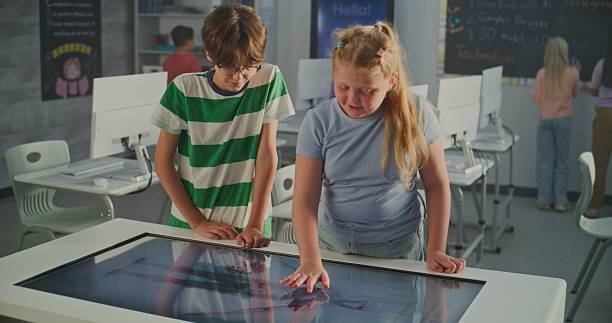
Incorporating games into the learning process further enhances this experience. Games provide an interactive platform where individuals can explore new ideas, test their knowledge, and develop critical thinking skills. They create a space where learning feels less like a chore and more like an adventure. Whether through board games, video games, or role-playing scenarios, the element of play transforms the act of learning into something enjoyable.
Think about how puzzle games encourage problem-solving skills. Players must think strategically, often collaborating with others to find solutions. This social aspect of gaming not only fosters teamwork but also builds communication skills. As players navigate challenges within a game, they learn to adapt, strategize, and overcome obstacles—skills that are invaluable in real-life situations.
Moreover, storytelling and games often go hand in hand. Many video games, for instance, are built around intricate narratives that draw players into an immersive experience. Through these games, players engage with rich plots and complex characters while honing their abilities in critical thinking, strategy, and creativity. This combination of narrative and gameplay creates an environment where learning feels organic, almost effortless.
A small shift toward balance can be achieved by consciously integrating storytelling and games into our daily lives. For parents and educators, this might mean incorporating storytime into lessons or using games as a teaching tool. For adults, it can be as simple as picking up a novel that piques your interest or joining a game night with friends. These activities not only provide entertainment but also promote lifelong learning in a relaxed and enjoyable setting.
Additionally, the benefits of storytelling and games extend beyond formal education. They can be powerful tools for personal growth and self-reflection. Engaging with stories allows us to explore our own thoughts and feelings, while games can challenge us to step outside our comfort zones. Whether it’s through the lens of a character in a book or a role we play in a game, we gain insights into our own lives and the world around us.
Incorporating storytelling and games into our lives can also foster community. Sharing stories, whether through books, podcasts, or personal anecdotes, creates connections between individuals. It allows for the exchange of ideas and experiences, enriching our understanding of one another. Similarly, games often bring people together, providing a shared space for laughter, competition, and collaboration. These interactions not only enhance our social skills but also create a sense of belonging, which is crucial for our overall well-being.
As we cultivate a more mindful approach to learning, it’s essential to remember that the journey is just as important as the destination. Embracing storytelling and games as part of our learning process encourages us to savor each moment, engage with our curiosity, and enjoy the adventure of discovery. It reminds us that learning doesn’t have to be a rigid or stressful endeavor; it can be a delightful exploration filled with wonder and joy.
In a world that often emphasizes speed and efficiency, let us take a moment to appreciate the richness that storytelling and games bring to our lives. They remind us of the beauty of imagination, creativity, and connection. As we weave these elements into our daily routines, we open ourselves up to a world of possibilities, where learning becomes a lifelong journey rather than a destination. So, let’s pick up a good book, gather around a game board, and embrace the magic that comes from learning through storytelling and play. After all, the stories we tell and the games we play are not just pastimes; they are powerful tools for growth, understanding, and connection in our ever-evolving lives.