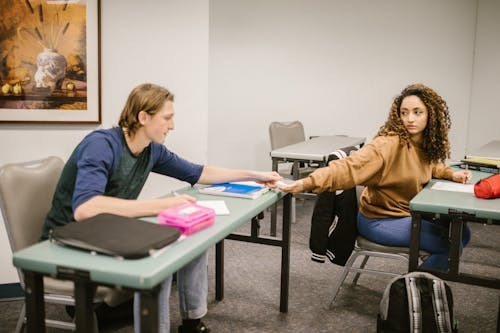
Preparing for college interviews in high school can feel like an enormous task, but it doesn’t have to be overwhelming.
This pivotal moment in your academic journey is a chance to showcase your personality, aspirations, and readiness for the next chapter of your life.
By approaching the preparation process thoughtfully, you can transform what may seem daunting into an enriching experience.
Getting comfortable with the concept of an interview is the first step. Remember that college interviews are not just an assessment of your skills and achievements; they are also an opportunity for you to learn about the institution and whether it aligns with your goals. This mutual discovery can ease some of the pressure and help you adopt a more relaxed mindset.
As you begin to prepare, it’s helpful to reflect on your own story. What experiences have shaped you? What passions drive you? Take some time to jot down key moments in your life that have influenced your academic interests and personal growth. This exercise is not only about recalling your achievements but also about understanding the essence of who you are. When you can articulate your journey, you will feel more confident sharing it with others.
A gentle shift toward balance is essential in this process. While it’s important to prepare for potential questions, it’s equally vital to maintain a sense of authenticity. Interviewers are often looking for genuine connections, so practice answering questions in a way that feels natural to you. Consider enlisting a friend or family member to conduct mock interviews. This practice will help you become more comfortable articulating your thoughts while also allowing you to receive constructive feedback.
As you engage in these mock interviews, think about the types of questions you might encounter. Common inquiries include discussing your favorite subjects, your extracurricular activities, and your future aspirations. While preparing answers to these questions, remember to weave in personal anecdotes that reflect your character. A well-rounded response that incorporates your unique experiences will resonate more deeply than a rehearsed, textbook answer.
Another aspect of preparation involves researching the colleges you are interviewing with. Familiarize yourself with their programs, values, and campus culture. Understanding what makes each institution unique will not only help you ask insightful questions but also allow you to illustrate why you are a good fit for their community. When you demonstrate genuine interest in the college, it makes a lasting impression.
In addition to research, consider the environment where your interview will take place. If it’s in person, think about your attire. Dressing appropriately can boost your confidence and help you feel more professional. Choose clothing that reflects your personal style while remaining suitable for the setting. If the interview is virtual, ensure that your background is tidy and free from distractions. A quiet, well-lit space will help you focus on the conversation at hand.
As the interview date draws nearer, take time to practice mindfulness techniques. The excitement and nerves can sometimes blur your focus, so incorporating breathing exercises or meditation into your routine can help ground you. Even a few minutes of quiet reflection can create a sense of calm, allowing you to approach the interview with clarity and poise.
On the day of the interview, ensure that you have everything you need prepared in advance. This includes any materials you may want to reference, such as your resume or a list of questions for the interviewer. Being organized can alleviate last-minute stress and allow you to focus on the conversation rather than logistics.
When you enter the interview, remember to greet your interviewer with a warm smile and a firm handshake if appropriate. This initial interaction sets a positive tone for the rest of the conversation. As you speak, maintain eye contact and show genuine engagement. Listening is just as important as speaking; be attentive to your interviewer’s questions and comments, allowing for a natural dialogue to develop.
After the interview, take a moment to reflect on the experience. Regardless of the outcome, each interview is a learning opportunity. Consider what went well and what you might do differently next time. If you feel comfortable, sending a thank-you note to your interviewer can leave a lasting impression. Expressing gratitude shows your appreciation for their time and reinforces your interest in the college.
Throughout this journey, it’s essential to remember that preparation is just one piece of the puzzle. Your unique story, passions, and aspirations are what truly matter. Each interview is a chance to share your authentic self and explore new possibilities. Embrace this opportunity to connect with others and gain insights into your future.
As you prepare for college interviews, allow yourself the grace to navigate this process with curiosity and openness. Each step you take brings you closer to understanding not just the colleges you are considering, but also yourself and your future ambitions. With thoughtful preparation and a genuine heart, you’ll step into your interviews ready to shine.