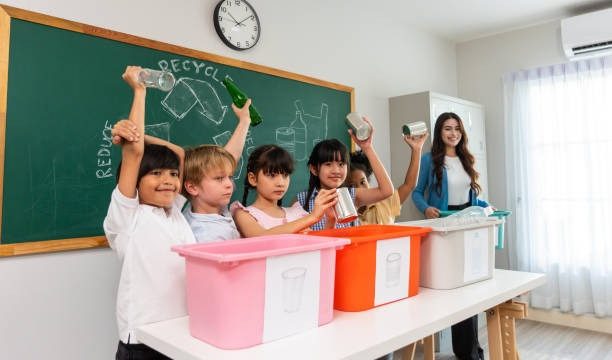
In the vibrant world of kindergarten, where colors dance and laughter fills the air, the seeds of friendship and kindness are sown.
These early years are not just about learning letters and numbers; they are a crucial time for cultivating social skills and emotional intelligence.
Teaching children the values of friendship and kindness lays a strong foundation for their future interactions and relationships. In this enchanting environment, educators and parents alike can play a significant role in nurturing these essential qualities.
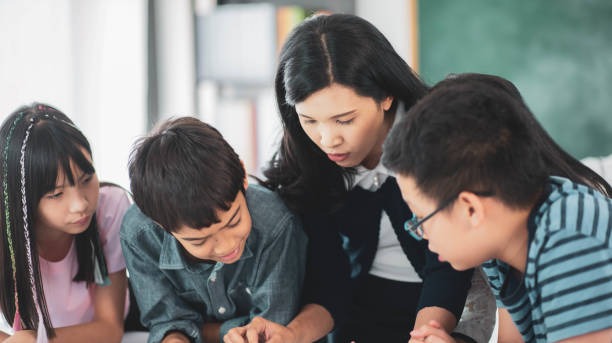
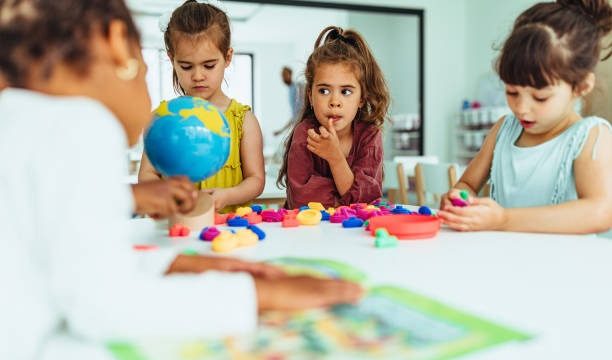
Creating a warm and welcoming classroom atmosphere is an essential first step. When children feel safe and accepted, they are more likely to open their hearts to others. A classroom decorated with cheerful artwork, cozy reading corners, and inviting play areas encourages children to engage with one another. In such a space, friendships can bloom naturally. Educators can foster this sense of belonging by greeting each child with warmth and enthusiasm, making every child feel valued and important.
Storytelling can be a powerful tool in teaching kindness and friendship. Engaging stories, whether read aloud or acted out, can illustrate the importance of empathy and sharing. Characters who demonstrate kindness can become role models for young learners. Through tales of friendship, children can see the joys that come from supporting one another and the impact of simple acts of kindness. Discussing these stories afterward allows children to express their feelings and thoughts, reinforcing the lessons learned.
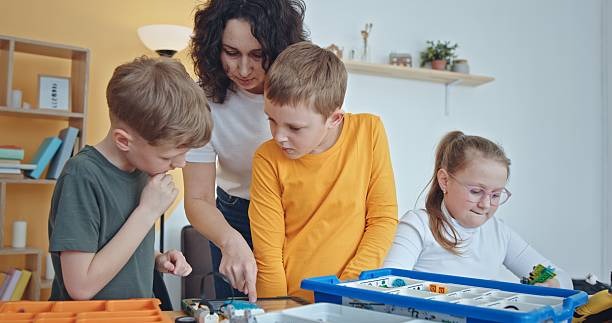
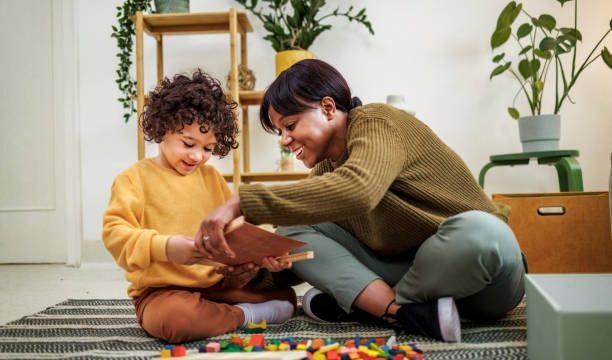
In addition to stories, incorporating cooperative games and activities can significantly enhance the understanding of friendship. When children work together to achieve a common goal, they learn the value of teamwork and communication. Simple activities, such as building a tower with blocks or completing a puzzle, require collaboration and encourage children to share ideas and support each other. These experiences not only strengthen friendships but also teach important problem-solving skills.
Promoting kindness in everyday interactions is equally important. Encouraging children to use kind words, share toys, and offer help to their peers fosters a culture of compassion. Educators can model this behavior by demonstrating kindness in their interactions with children and one another. By showing how to express gratitude and appreciation, they provide children with the language and actions needed to build strong connections.
A gentle reminder about the importance of kindness can be woven into daily routines. For instance, starting each day with a “kindness circle” where children share compliments or express gratitude can create a positive atmosphere. This simple practice not only boosts self-esteem but also reinforces the notion that kindness is a valued trait. Children learn that their words have power and that expressing kindness can brighten someone’s day.
As children navigate their social interactions, conflicts may arise. Teaching them how to handle disagreements is a vital aspect of friendship. Educators can guide children through conflict resolution by encouraging them to express their feelings and listen to one another. Role-playing scenarios can be an effective way to practice these skills in a safe environment. By learning to resolve conflicts amicably, children develop resilience and the ability to maintain friendships even in challenging situations.
Incorporating arts and crafts into the curriculum can also serve as a medium for expressing friendship and kindness. Creating friendship bracelets, drawing pictures for one another, or making cards can be meaningful ways for children to show they care. These activities not only foster creativity but also provide tangible reminders of their friendships. Sharing these creations with classmates can enhance bonds and encourage children to appreciate the unique qualities of their peers.
Parent involvement is another crucial element in teaching kindness and friendship. When parents and educators work together, the lessons learned in the classroom can be reinforced at home. Organizing family events, such as picnics or playdates, allows parents to witness and participate in the friendships their children are forming. These gatherings provide opportunities for families to connect, fostering a sense of community that extends beyond the classroom walls.
Encouraging children to participate in community service projects can also enhance their understanding of kindness. Simple activities, such as collecting food for a local shelter or creating care packages for those in need, can instill a sense of empathy and responsibility. These experiences help children recognize the importance of giving back and understanding the perspectives of others. Through acts of service, they learn that kindness can extend beyond their immediate circle of friends.
As children grow and develop, the lessons of friendship and kindness will continue to shape their interactions. The foundation laid in kindergarten can carry through their lives, influencing how they treat others and how they expect to be treated. By instilling these values early on, we prepare them not just for school, but for life itself.
In the enchanting realm of kindergarten, where every day is an adventure, teaching friendship and kindness is a journey worth embarking on. Through storytelling, cooperative play, and daily acts of compassion, we can nurture a generation that values connection and empathy. As we guide our little ones in building friendships, we also empower them to become kind, caring individuals who will contribute positively to the world around them.
With each small lesson, we are not just teaching children how to make friends; we are helping them understand the beauty of human connection. In this nurturing environment, where kindness flourishes, we create a brighter future, one friendship at a time.