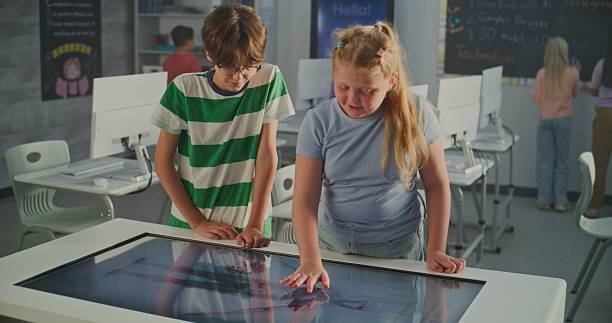
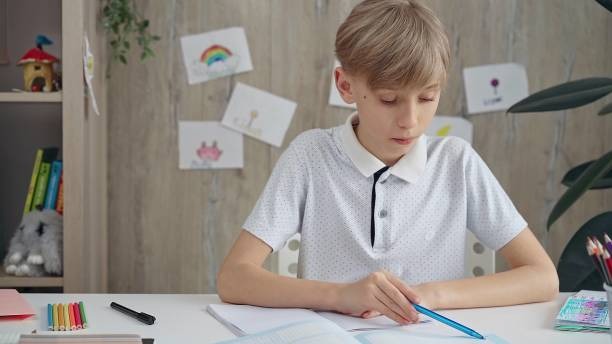
In a world that often emphasizes conformity, the idea of fostering independence through personalized learning styles can feel both refreshing and liberating.
Each individual has a unique way of absorbing information, and recognizing this can be the key to unlocking a more fulfilling educational experience.
Embracing different learning styles not only supports independence but also nurtures a sense of self-discovery and confidence.
Understanding learning styles begins with the recognition that we are all wired differently. Some individuals thrive in visual environments, soaking up information through images, diagrams, and videos. Others may find that auditory learning—listening to lectures, discussions, or audiobooks—resonates more deeply with them. Then there are kinesthetic learners, who engage best through hands-on experiences and physical activity. While these categories are often discussed in educational contexts, they are also essential in everyday life, shaping how we engage with the world around us.
When we prioritize learning styles, we create a pathway for independence. Imagine a child who struggles in a traditional classroom setting. If their learning style is overlooked, they may feel lost or discouraged. However, when their unique approach is recognized and nurtured, they can flourish. This shift not only enhances their academic performance but also builds resilience and self-esteem. Encouraging learners to identify and embrace their preferred styles promotes a sense of agency, allowing them to take control of their educational journeys.
A small shift toward balance can make a significant difference in how we approach learning. For instance, consider the environment in which we study or work. A quiet, well-organized space may benefit someone who thrives on auditory information, while a vibrant, stimulating area might inspire a visual learner. By tailoring our surroundings to our needs, we create a supportive atmosphere that encourages exploration and growth.
Incorporating diverse learning styles into daily routines can be both enjoyable and effective. For instance, if someone is primarily a visual learner, they might benefit from creating colorful charts or mind maps to organize their thoughts. Alternatively, an auditory learner may find it helpful to discuss concepts with friends or family, turning learning into an interactive experience. Kinesthetic learners can engage with their subjects through experiments, crafts, or even outdoor activities that relate to their studies. The beauty of this approach lies in its flexibility; individuals can mix and match techniques that resonate with them, creating a personalized learning toolkit.
As we delve deeper into the importance of independence, it’s vital to recognize the role of self-motivation. When learners are encouraged to explore their interests and passions, they often become more invested in their education. This intrinsic motivation is a powerful driving force that fosters independence. By allowing learners to pursue topics that excite them, we empower them to take ownership of their learning experience. This autonomy not only enhances their understanding of the subject matter but also instills a lifelong love of learning.
Supportive relationships play a crucial role in this journey. Whether it’s a parent, teacher, or mentor, having someone who encourages exploration can make a world of difference. These relationships provide a safety net, allowing learners to take risks and make mistakes without fear of judgment. A supportive figure can help guide individuals toward resources and strategies that align with their learning styles, reinforcing the idea that independence does not mean going it alone.
As we navigate the complexities of learning, it’s essential to remember that independence is not synonymous with isolation. In fact, collaboration can be a powerful tool for cultivating independence. Engaging with peers who share similar interests or learning styles can provide a sense of community and belonging. Group projects, study sessions, or even casual discussions can spark creativity and inspire new ideas. Learning from one another fosters a sense of connection while allowing individuals to refine their own understanding.
In the context of a rapidly changing world, adaptability is key. As learners discover their preferred styles, they may also encounter challenges that require them to step outside their comfort zones. Embracing new methods and strategies can be an enriching experience, encouraging growth and resilience. This adaptability not only strengthens independence but also prepares individuals for the unpredictable nature of life.
The journey toward discovering one’s learning style is deeply personal and often transformative. It invites self-reflection and awareness, encouraging individuals to embrace their unique paths. As we become more attuned to our learning preferences, we cultivate a deeper understanding of ourselves and our needs. This self-awareness can extend beyond academics, influencing how we approach various aspects of life, from work to personal relationships.
In conclusion, finding learning styles that support independence is a journey worth embarking on. By recognizing and embracing our unique ways of learning, we unlock a world of possibilities. This journey fosters resilience, self-motivation, and adaptability, all crucial components of a fulfilling life. As we nurture our learning preferences and seek supportive relationships, we not only empower ourselves but also inspire those around us to embrace their individuality. The path to independence is illuminated by the understanding that we are all unique learners, each contributing to the vibrant tapestry of human experience.