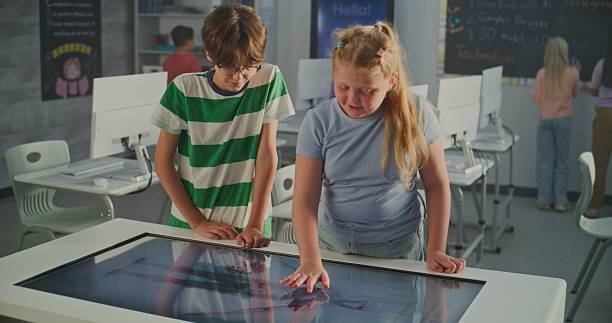
In our fast-paced world, where distractions are just a click away, helping children develop focus and patience has become increasingly important.
These qualities not only enhance their ability to learn but also nurture their emotional well-being.
As caregivers and educators, we play a crucial role in guiding them through this journey. By introducing simple, engaging practices into their daily lives, we can support children in cultivating these essential skills.
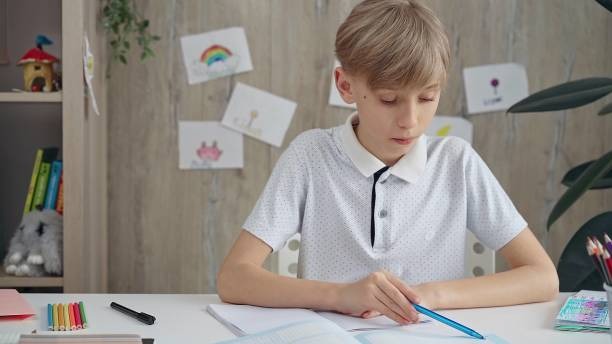
Creating a calm environment is one of the first steps in fostering focus. Children thrive in spaces that are free from clutter and distractions. A designated area for homework or creative projects, adorned with minimal decor, can help them concentrate better. This doesn’t mean we need to strip their surroundings of joy; rather, we can introduce elements that inspire creativity while still maintaining a sense of order. A few well-placed books, art supplies, or even a small plant can transform a space into a nurturing haven for focus.
Mindfulness practices offer another gentle way to cultivate patience. Introducing children to simple breathing exercises can be both calming and grounding. Taking a few deep breaths together can help them feel centered, especially during moments of frustration or impatience. This practice not only encourages them to pause and reflect but also teaches them the value of slowing down. Over time, these moments of mindfulness can become a cherished routine, providing children with tools they can use throughout their lives.
Engaging in activities that require sustained attention can also be beneficial. Puzzles, building blocks, or even simple board games invite children to focus on a task for an extended period. These activities foster a sense of achievement as they navigate challenges and see their progress. Celebrating their efforts, regardless of the outcome, reinforces their commitment to the task at hand. This positive reinforcement encourages them to embrace challenges rather than shy away from them.
A small shift toward balance can also be made by integrating technology mindfully. While screens can be alluring, setting aside specific times for tech-free play can encourage children to engage with their surroundings and peers. Outdoor play, imaginative games, or reading can all contribute to their ability to focus. By modeling a balanced approach to technology ourselves, we send a powerful message about the importance of being present in the moment.
Routine plays a significant role in helping children develop focus and patience. Establishing daily schedules that incorporate periods for study, play, and rest can create a sense of security. When children know what to expect, they can better direct their energy and attention. This predictability allows them to cultivate patience as they learn to wait for their turn or the next activity. It also gives them the opportunity to see the rewards of their focused efforts, such as completing homework before enjoying their favorite game.
Involving children in the process of setting goals can further enhance their focus and patience. Encouraging them to articulate what they want to achieve, whether it’s finishing a book or mastering a new skill, instills a sense of ownership over their learning journey. As they work toward their goals, they learn the importance of persistence and the value of taking small, manageable steps. Celebrating these milestones together strengthens their motivation and reinforces the idea that focus and patience lead to meaningful accomplishments.
Nature serves as a gentle teacher in cultivating focus and patience. Spending time outdoors can have a calming effect on children, allowing them to connect with the world around them. Nature walks provide a perfect opportunity to practice mindfulness, as children can observe the sights, sounds, and smells of their environment. Encouraging them to take note of small details, like the rustle of leaves or the patterns of clouds, can sharpen their focus while fostering a sense of wonder.
Creative expression is another avenue for developing these qualities. Art, music, and writing allow children to explore their thoughts and feelings while honing their ability to concentrate. When children engage in creative activities, they often enter a state of flow where time seems to stand still. This experience not only enhances their focus but also teaches them the value of patience as they work through the creative process.
Additionally, nurturing a growth mindset can significantly impact a child’s ability to focus and be patient. Teaching them that challenges are opportunities for growth helps them approach tasks with a positive attitude. Encouraging phrases like “I can learn from this” or “It’s okay to take my time” can empower children to embrace setbacks as part of their journey. This mindset shift fosters resilience and perseverance, essential components of both focus and patience.
Modeling these traits ourselves is perhaps one of the most powerful ways to teach children. When they observe us navigating daily challenges with focus and patience, they learn to emulate those behaviors. Sharing our own experiences, including moments of struggle and triumph, can create a sense of connection and understanding. It reinforces the message that everyone is on their own journey and that developing these qualities takes time and practice.
As we guide children in developing focus and patience, it’s important to remember that these skills will not emerge overnight. They require gentle encouragement, understanding, and the occasional reminder to slow down and breathe. By fostering an environment that values mindfulness, creativity, and persistence, we can help children navigate their world with greater confidence and ease.
Ultimately, the journey to cultivate focus and patience is not just about achieving academic success; it’s about nurturing well-rounded individuals who can thrive in all aspects of life. As we support them in this endeavor, we also enrich our own lives, discovering the beauty of being present in the moment and the joy that comes from watching them grow. With our guidance, children can learn to embrace the art of focus and the grace of patience, skills that will serve them well throughout their lives.