As parents, we often find ourselves reflecting on the myriad ways we can support our children’s growth and development.
One significant step in this journey is enrolling them in preschool.
While some may view preschool primarily as a place for social interaction and play, it serves a much deeper purpose: laying a solid foundation for future academic success. Understanding how preschool prepares children for school can help parents appreciate its value beyond the classroom walls.
Creating a nurturing environment
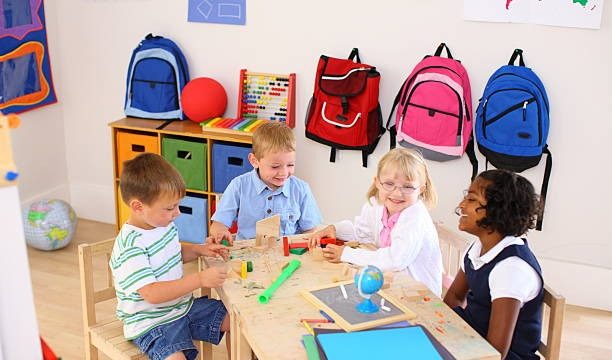
Preschool is often the first structured environment where children experience a blend of play and learning. At this stage, children are naturally curious and eager to explore the world around them. A well-designed preschool program harnesses this curiosity by creating a nurturing environment that encourages exploration, creativity, and self-expression. Teachers foster an atmosphere of support and encouragement, allowing children to feel safe as they take their first steps into a more formal learning setting.
Through engaging activities, children learn to navigate their emotions and develop social skills. They interact with peers, sharing toys and ideas, which nurtures their ability to collaborate and communicate. These early experiences are vital, as they teach children how to express themselves and understand others, setting the stage for successful interactions in a school environment.
Building foundational skills
While play is a central component of preschool, it is also a time for children to acquire foundational skills that will serve them throughout their education. Early literacy and numeracy skills are introduced in a fun and engaging manner. Children might find themselves counting blocks or singing songs that incorporate letters and sounds, all while enjoying the process of learning. This approach helps them develop a love for learning, making it easier for them to embrace more structured academic content as they progress.
Additionally, preschool often emphasizes fine motor skills through activities like drawing, cutting, and building with various materials. These skills are important not just for writing but also for developing hand-eye coordination and dexterity. As children refine these abilities, they gain confidence in their capabilities, which can translate into a positive attitude toward learning as they advance in their education.
Encouraging independence and responsibility
Another essential aspect of preschool is the promotion of independence. In this setting, children are encouraged to make choices, whether it’s selecting a book to read or deciding how to engage in play. This autonomy fosters a sense of ownership over their learning experiences. As they navigate decisions, children learn to trust their instincts and develop problem-solving skills that will be invaluable in their educational journey.
Preschool also introduces children to routines and responsibilities. They learn to follow a schedule, participate in clean-up time, and take turns. These daily practices help children understand the importance of cooperation and accountability. As they master these skills, they become more prepared for the expectations of a traditional school environment, where following routines and working collaboratively is essential.
Fostering resilience and a growth mindset
In preschool, children encounter challenges in various forms, from mastering a new skill to navigating social dynamics. These experiences are crucial for developing resilience. When children face difficulties, they learn that it’s okay to struggle and that perseverance can lead to success. Preschool teachers often model this growth mindset, encouraging children to embrace challenges, learn from mistakes, and celebrate their progress.
This foundation of resilience becomes even more important as children enter elementary school, where they will undoubtedly face new academic and social challenges. By developing a strong sense of perseverance in preschool, children are better equipped to approach their future schooling with confidence and determination.
The importance of parental involvement
Parents play an integral role in their child’s preschool experience. Engaging with teachers and participating in school activities fosters a sense of community and reinforces the importance of education. When parents are involved, children feel more secure and supported in their learning journey. This partnership between home and school creates a holistic environment that nurtures a child’s development.
Moreover, parents can extend the learning that occurs in preschool into the home environment. Simple activities, like reading together or exploring nature, can enhance the skills children are developing at school. By showing enthusiasm for learning, parents can instill a lifelong love of education in their children.
Preparing for the transition to school
As preschoolers approach the end of their time in this nurturing environment, they begin to prepare for the transition to elementary school. This process often includes familiarizing them with what to expect in a more formal academic setting. Many preschools incorporate activities that introduce children to the structure of a classroom, the role of a teacher, and the types of subjects they will encounter.
This gradual transition helps to alleviate any anxiety children might feel about starting school. By the time they step into a kindergarten classroom, they have already developed essential social skills, emotional resilience, and a foundational understanding of academic concepts. This preparation can lead to a smoother adjustment, allowing them to focus on learning and developing new friendships.
Embracing the journey
Ultimately, preschool is more than just a stepping stone to elementary school. It is a unique and vital experience that shapes children’s attitudes toward learning and their ability to navigate the world around them. By fostering a love for exploration, encouraging independence, and building foundational skills, preschool sets the stage for future success.
As parents, embracing this journey alongside our children can create a rich tapestry of experiences that support their growth. With each step, we can nurture their curiosity and resilience, ensuring they are well-prepared for the exciting adventures that lie ahead in their educational journey. In doing so, we not only celebrate their achievements but also cultivate a lifelong love of learning that will last well beyond the walls of their preschool.