In the heart of every classroom lies a world bursting with potential, a vibrant tapestry woven from the threads of knowledge and experience shared between teachers and students.
This connection, often overlooked, is not just about the transfer of information; it is about creating a community where ideas flourish and learning becomes a shared journey.
Knowledge sharing fosters a sense of belonging, encourages curiosity, and ultimately enriches the educational experience for all involved.
When teachers and students engage in open dialogue, a remarkable transformation occurs. The classroom transforms into a dynamic space where questions are welcomed, and exploration is encouraged. This environment nurtures creativity, allowing students to express their thoughts freely and engage deeply with the subject matter. Teachers, in turn, gain insights into the minds of their students, adapting their teaching methods to better fit individual learning styles. It becomes a beautiful dance of give and take, where both parties benefit from the exchange.
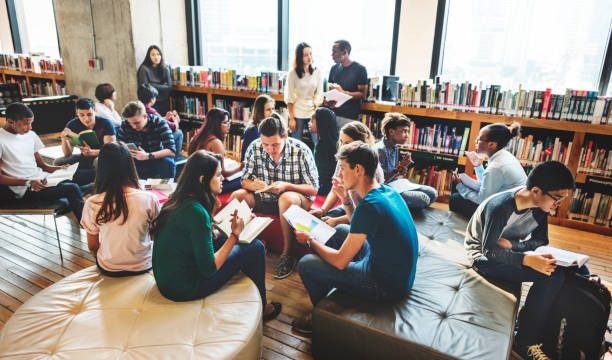
A small shift toward balance can be achieved when educators prioritize knowledge sharing. By creating opportunities for students to teach their peers, teachers empower them to take ownership of their learning. This approach not only boosts confidence but also reinforces the material being studied. When students explain concepts to one another, they deepen their understanding and solidify their knowledge base. This collaborative atmosphere fosters a sense of camaraderie, as students realize they are not just recipients of information but active participants in the learning process.
In addition to peer-to-peer sharing, teachers can cultivate a culture of knowledge exchange by inviting guest speakers or utilizing technology to connect with experts in various fields. These interactions can ignite a passion for learning and broaden students’ horizons. Imagine the excitement of a student who gets to ask questions directly to a scientist or an author they admire. Such experiences can inspire students to pursue their interests with renewed vigor, reminding them that learning extends far beyond the classroom walls.
Another gentle yet significant aspect of knowledge sharing is the role of storytelling. Both teachers and students have stories to tell, and these narratives can be powerful tools for learning. When teachers share their personal experiences related to the subject matter, they humanize the content, making it more relatable. Similarly, students can share their own stories, connecting their lives to the curriculum in meaningful ways. This exchange creates an emotional bond that enhances the learning experience, allowing students to see the relevance of their studies in the context of their own lives.
Creating a safe space for knowledge sharing is crucial. Teachers can foster an environment where students feel comfortable expressing their thoughts without fear of judgment. Encouraging questions and valuing each student’s perspective cultivates a sense of trust. When students know their contributions are valued, they are more likely to engage actively in discussions and feel invested in their learning journey. This nurturing atmosphere not only enhances academic performance but also contributes to social and emotional development, equipping students with essential life skills.
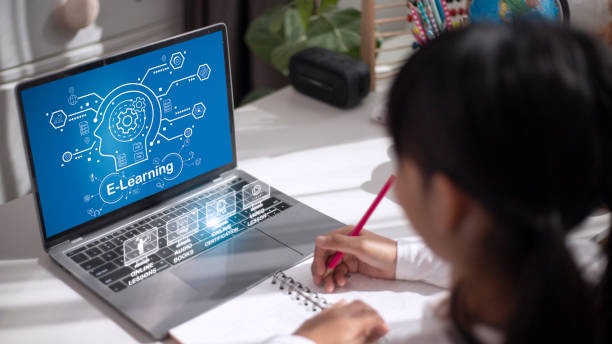
As we navigate the complexities of modern education, it’s important to recognize the role of technology in facilitating knowledge sharing. Digital tools and platforms can bridge gaps, allowing for collaboration beyond the physical classroom. Whether through online forums, collaborative projects, or virtual classrooms, technology opens doors to new possibilities for interaction. These platforms enable students to connect with peers from different backgrounds, broadening their perspectives and enriching their understanding of diverse cultures and ideas.
In a world that often emphasizes competition, knowledge sharing promotes a sense of community. It encourages students to support one another rather than view each other as rivals. This shift in mindset is essential for fostering a collaborative spirit, where students cheer for each other’s successes and learn from their failures together. By embracing this communal approach, we cultivate a generation that values cooperation and empathy, essential qualities for thriving in an interconnected world.
Teachers play a pivotal role in modeling knowledge sharing behaviors. By demonstrating their own willingness to learn and grow, educators inspire students to adopt a similar mindset. Sharing their own learning experiences, including challenges and triumphs, allows students to see that learning is a lifelong journey. This authenticity resonates deeply, encouraging students to embrace curiosity and view setbacks as opportunities for growth rather than obstacles.
As we consider the impact of knowledge sharing, it is essential to reflect on the long-term benefits for both teachers and students. When knowledge flows freely, it creates a rich learning environment that nurtures critical thinking, creativity, and resilience. Students who are encouraged to share their knowledge and learn from others develop essential skills that will serve them well beyond their school years. They become not just knowledgeable individuals but also compassionate and engaged citizens, ready to contribute positively to society.
In conclusion, knowledge sharing between teachers and students is a powerful force that can transform the educational experience. By fostering an environment of collaboration, openness, and trust, we create a space where learning becomes a shared adventure. This journey enriches not only the individual but the entire community, shaping a brighter future for all. As we continue to navigate the evolving landscape of education, let us celebrate and embrace the beauty of knowledge sharing, recognizing it as a cornerstone of meaningful learning.