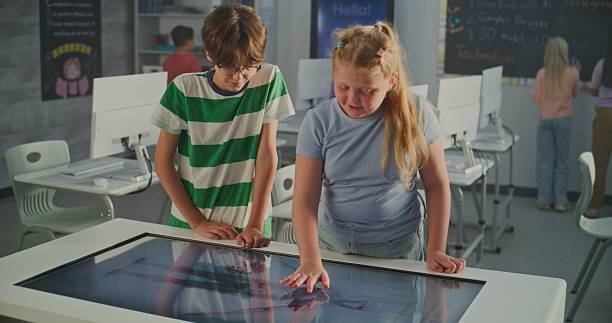
Understanding Digital Learning in the 21st Century
In a world that is constantly evolving, the way we learn has undergone a remarkable transformation.
Digital learning has become a cornerstone of education in the 21st century, reshaping not only how we acquire knowledge but also how we interact with it.
This shift toward a more interconnected and technology-driven approach to learning is both exciting and complex, offering opportunities and challenges that require our attention.
As we delve into the nuances of digital learning, it’s essential to recognize that it is not merely about the use of technology, but about a holistic approach to education that embraces innovation, accessibility, and personalization. The rise of the internet and mobile devices has opened up a wealth of resources, making it possible for learners of all ages to engage with content in ways that were previously unimaginable.
A small shift toward balance
At its core, digital learning encourages a balance between traditional educational methods and modern technological advancements. Classrooms are no longer confined to four walls; instead, they extend into the digital realm, where students can participate in virtual discussions, collaborate with peers across the globe, and access a vast array of information at their fingertips. This shift has made education more inclusive, allowing learners from diverse backgrounds to connect and share their perspectives.
However, with this abundance of resources comes the challenge of navigating the digital landscape. It’s easy to become overwhelmed by the sheer volume of information available online. The key lies in developing digital literacy, which empowers individuals to discern credible sources from unreliable ones, ensuring that their learning experience is both enriching and meaningful.
The role of educators in this digital age is crucial. They are not just transmitters of knowledge but facilitators of learning. By embracing technology, educators can create engaging and interactive lessons that cater to various learning styles. This approach fosters a sense of autonomy in students, encouraging them to take charge of their educational journeys. As we embrace digital learning, it’s important to remember that the human element remains at the heart of education.
Cultivating connections in a digital world
One of the most beautiful aspects of digital learning is its ability to foster connections. In a time when physical distance can separate us, technology brings us together. Online forums, social media groups, and collaborative platforms allow learners to engage in discussions, share ideas, and support one another. These connections can lead to a sense of community, which is vital for motivation and inspiration.
Moreover, digital learning can break down geographical barriers, enabling students from different parts of the world to learn from one another. Imagine a classroom where students in one country can collaborate on a project with peers in another, sharing cultural insights and diverse perspectives. This global exchange enriches the learning experience, making it more relevant and applicable to the world we live in.
The importance of self-directed learning
In the realm of digital learning, self-directed learning has gained prominence. With a wealth of resources available online, learners are encouraged to take initiative and explore subjects that interest them. This shift empowers individuals to pursue their passions, leading to a more personalized education experience.
Self-directed learning also fosters critical thinking and problem-solving skills. As learners navigate through various resources, they develop the ability to analyze information, ask questions, and seek answers independently. This skill set is invaluable, not only in academic settings but also in everyday life, as it prepares individuals to adapt to an ever-changing world.
Finding harmony in technology use
While digital learning offers numerous benefits, it also raises questions about screen time and the impact of technology on our well-being. Striking a balance between online and offline activities is essential for maintaining mental and emotional health. It’s important to create boundaries around technology use, ensuring that learning remains a joyful and fulfilling experience rather than a source of stress.
Incorporating mindfulness into digital learning can help cultivate a positive relationship with technology. Taking breaks, engaging in physical activities, and practicing self-care can enhance focus and retention. By being intentional about our technology use, we can create a harmonious environment where learning flourishes.
The future of digital learning
Looking ahead, the future of digital learning is filled with possibilities. As technology continues to advance, we can expect even more innovative approaches to education. Virtual reality, artificial intelligence, and personalized learning platforms are just a few examples of how digital learning may evolve. These advancements have the potential to create immersive and tailored learning experiences that cater to individual needs.
However, with these advancements comes the responsibility to ensure that digital learning is accessible to all. Bridging the digital divide is essential in creating an equitable education system. As we navigate this landscape, it’s crucial to advocate for policies and initiatives that promote access to technology and resources for underserved communities.
In conclusion, understanding digital learning in the 21st century involves recognizing the delicate balance between technology and the human experience. As we embrace the opportunities that digital learning presents, let us also remain mindful of the challenges it poses. By fostering connections, promoting self-directed learning, and prioritizing well-being, we can create a nurturing environment where learners thrive. The journey of education is ever-evolving, and as we move forward, we have the chance to shape a future that is bright, inclusive, and full of potential.