In a world that often feels fast-paced and disconnected, the pursuit of meaningful experiences has become more important than ever.
For many, university programs serve as a gateway to not only academic achievement but also personal growth and enriching life experiences.
These programs are designed to foster a sense of community, encourage self-discovery, and provide opportunities that resonate far beyond the classroom.
The journey of university life often begins with a mix of excitement and trepidation. For many students, it represents a significant transition from high school to adulthood. This period of life is not just about acquiring knowledge in a specific field; it is also about exploring who you are and what you stand for. University programs are uniquely positioned to facilitate this exploration, offering a diverse array of opportunities that help students forge their identities.
One of the most impactful aspects of university programs is the chance to engage with a variety of cultures and perspectives. Campuses are often melting pots of diversity, where students from different backgrounds come together to share their stories and experiences. This exposure broadens the mind and nurtures empathy, teaching students to appreciate the richness of human experience. It’s in these interactions that lifelong friendships can blossom, grounded in shared values, mutual respect, and an understanding of each other’s unique journeys.
In addition to fostering relationships, university programs often encourage students to step outside their comfort zones. This might take the form of study abroad opportunities, internships, or community service projects. Each of these experiences provides a unique lens through which students can view the world, challenging preconceived notions and igniting a sense of curiosity. Traveling to a new country, for example, can be an eye-opening experience that not only enhances academic knowledge but also cultivates adaptability and resilience.
The importance of experiential learning cannot be overstated. University programs that incorporate hands-on experiences—such as lab work, field studies, or artistic performances—allow students to apply theoretical knowledge in real-world settings. This kind of learning nurtures critical thinking and problem-solving skills, equipping students with the tools they need to navigate their future careers. Whether it’s conducting research, participating in a group project, or presenting findings to peers, these experiences create a rich tapestry of learning that extends far beyond textbooks and lectures.
Mentorship is another vital component of the university experience. Many programs pair students with faculty members or industry professionals who guide them through their academic and career journeys. These mentors often share invaluable insights, helping students uncover their passions and navigate challenges. The support and encouragement from mentors can be transformative, instilling confidence and motivation. When students feel seen and supported, they are more likely to engage deeply with their studies and pursue their aspirations with vigor.
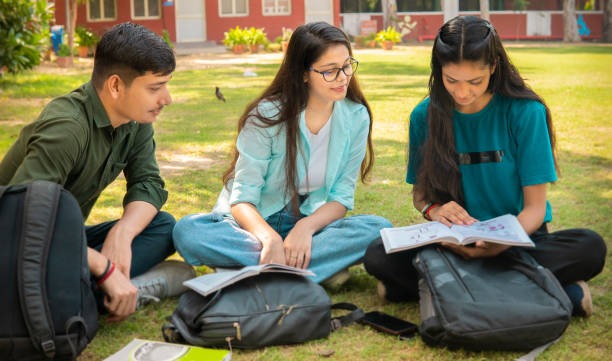
A sense of belonging is crucial during the university years. Many programs emphasize community building, offering clubs, organizations, and events that encourage students to connect with others who share similar interests. Whether it’s through cultural clubs, sports teams, or academic organizations, these connections can create a sense of home away from home. Feeling part of a community not only enhances the university experience but also contributes to emotional well-being. When students feel supported by their peers, they are more likely to thrive both academically and personally.
In recent years, universities have also recognized the importance of mental health and well-being. Many programs now include resources that promote self-care, mindfulness, and stress management. Workshops, counseling services, and wellness initiatives are designed to help students navigate the pressures of academic life. Engaging in these resources can lead to a more balanced lifestyle, where students learn to prioritize their mental health alongside their academic responsibilities.
As students progress through their university programs, they often find themselves reflecting on their values and goals. This introspective journey can lead to significant personal growth. Many students discover new passions, challenge their belief systems, and develop a clearer sense of purpose. Engaging in meaningful experiences—whether through academic pursuits or extracurricular activities—encourages this self-discovery, ultimately shaping the individuals they become.
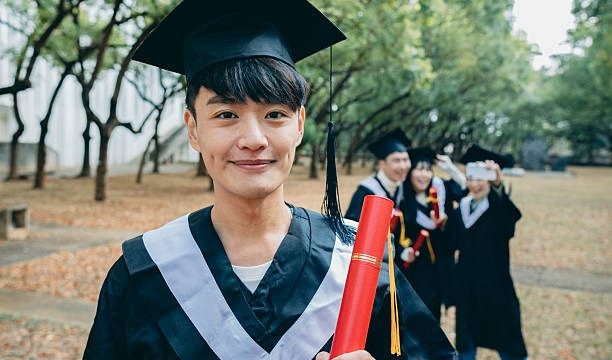
The culmination of a university program often leads to a profound sense of accomplishment. Graduating is not just about earning a degree; it symbolizes the culmination of years of hard work, growth, and transformation. The friendships formed, the challenges overcome, and the knowledge gained all contribute to a rich tapestry of experiences that shape one’s identity.
As students transition into the next phase of their lives, they carry with them not only their academic credentials but also a treasure trove of experiences that have shaped their perspectives. The lessons learned during university often serve as a compass, guiding them through the complexities of adulthood. The meaningful experiences cultivated during these years have the potential to influence career choices, personal relationships, and even one’s approach to life’s challenges.
In conclusion, university programs offer more than just an educational foundation; they provide a platform for meaningful experiences that resonate throughout a lifetime. The blend of academic rigor, community engagement, and personal growth creates an environment where students can thrive. As they navigate this transformative journey, they emerge not only as graduates but as well-rounded individuals equipped to make a positive impact on the world. Embracing the opportunities presented during these years can lead to a fulfilling life filled with purpose, connection, and endless possibilities.