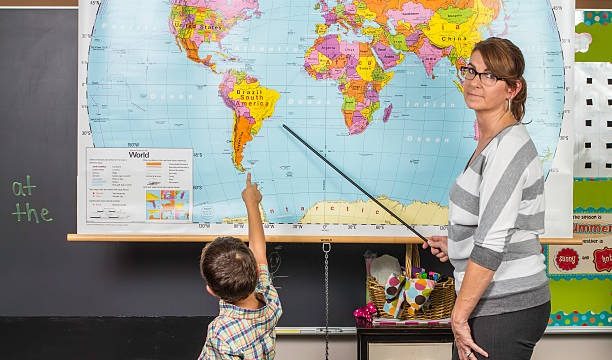
The vastness of our planet is beautifully encapsulated in its oceans.
Covering over 70% of the Earth’s surface, these magnificent bodies of water are not just a backdrop for life; they are the heart and soul of our planet’s ecosystem.
Understanding the geography of oceans can deepen our appreciation for their role in our lives and the world around us.
As we explore the oceans, we find that they are more than just a collection of water. Each ocean has its unique characteristics, shaped by the landmasses that border them, the currents that flow through them, and the life that thrives within them. The five major oceans—Pacific, Atlantic, Indian, Southern, and Arctic—each tell a story of their own.
The Pacific Ocean, the largest and deepest of all, stretches from the Arctic in the north to the Southern Ocean in the south. Its vast expanse is home to a diverse range of marine life, from the vibrant coral reefs of the Great Barrier Reef to the mysterious depths of the Mariana Trench. This ocean plays a crucial role in global weather patterns and is a key player in the phenomena of El Niño and La Niña, which can have far-reaching effects on climate.
The Atlantic Ocean, while smaller than the Pacific, is rich in history and culture. It serves as a bridge between continents, connecting North America to Europe and Africa. The Atlantic is known for its warm Gulf Stream, which influences the climate of Western Europe, making it milder than other regions at similar latitudes. The ocean is also dotted with islands, each with its unique charm, from the picturesque Caribbean to the rugged coasts of Iceland.
Moving to the Indian Ocean, we find a body of water that is often associated with trade and exploration. This ocean is bordered by bustling nations like India, Australia, and several countries in Africa, making it a melting pot of cultures and traditions. The Indian Ocean is renowned for its rich biodiversity, including the coral reefs of the Maldives and the unique wildlife of Madagascar. It also plays a significant role in global shipping routes, facilitating the movement of goods and ideas across continents.
The Southern Ocean, which encircles Antarctica, is perhaps the most mysterious of all. Often referred to as the world’s last great wilderness, it is characterized by its cold waters and unique ecosystems. This ocean is crucial for regulating the Earth’s climate, as it absorbs a significant amount of carbon dioxide and helps to drive ocean currents that influence weather patterns worldwide. Its remoteness has preserved its pristine nature, making it a haven for wildlife such as seals, penguins, and whales.
Lastly, the Arctic Ocean, the smallest and shallowest of the five, is undergoing rapid changes due to climate change. As ice melts, new shipping routes are opening, and the delicate ecosystem is being impacted. The Arctic is home to unique species like polar bears and narwhals, which rely on the ice for their habitat. Understanding the geography of the Arctic Ocean is vital as it reveals the interconnectedness of our planet and the urgent need to protect these fragile environments.
A gentle exploration of ocean currents reveals their importance in maintaining the balance of our climate. These currents, driven by wind, water density differences, and the Earth’s rotation, move vast amounts of water around the globe. The Gulf Stream, for example, carries warm water from the Gulf of Mexico up the eastern coast of North America and across the Atlantic to Europe, influencing weather patterns and temperatures. Similarly, the cold Humboldt Current along the western coast of South America supports rich marine ecosystems, providing nutrient-rich waters for fish and other sea life.
As we delve deeper into the geography of oceans, the concept of marine ecosystems emerges as a vital aspect of our understanding. Coral reefs, often referred to as the rainforests of the sea, are among the most diverse ecosystems on Earth. They provide habitat for countless species and serve as crucial resources for coastal communities. However, these ecosystems are under threat from pollution, climate change, and overfishing. By understanding their geography and the delicate balance they maintain, we can take steps to protect these underwater treasures.
The oceans also hold a wealth of resources, from fisheries to minerals and energy sources. However, the extraction of these resources must be managed sustainably to ensure the health of marine environments. As we navigate the complexities of ocean geography, it becomes clear that our actions have consequences that ripple through the ecosystem.
In our quest to understand the geography of oceans, we are reminded of the interconnectedness of life. The ocean is not merely a boundary between lands; it is a vibrant, living entity that influences weather patterns, supports biodiversity, and nourishes communities. As we cultivate a deeper appreciation for the oceans, we also recognize our responsibility to protect them.
A small shift toward balance in our relationship with the oceans can lead to significant changes. Simple actions like reducing plastic use, supporting sustainable seafood, and advocating for policies that protect marine environments can contribute to the health of our oceans. By fostering a sense of stewardship, we can ensure that future generations inherit a thriving ocean.
In this journey of understanding, we find that geography is not just about maps and coordinates; it’s about the stories of our planet and its inhabitants. The oceans, with their vastness and depth, invite us to explore, learn, and connect. They remind us of the beauty of diversity and the importance of harmony. As we stand by the shore, gazing at the endless horizon, we are reminded that the oceans are a source of inspiration, wonder, and life itself. Embracing this understanding can lead to a more mindful existence, not just for ourselves but for the world we share.