In recent years, the educational landscape has experienced a significant transformation, thanks in part to the rise of maker spaces.
These collaborative environments, designed to foster creativity and innovation, have become a vital component of modern learning.
They provide students with the tools and resources to explore their interests, engage in hands-on projects, and collaborate with peers. The impact of maker spaces on student experiences is profound, offering opportunities that extend far beyond traditional classroom settings.
A journey of exploration and creativity
At the heart of the maker space movement is the belief that learning should be an active, engaging process. Maker spaces invite students to explore their passions through hands-on projects that encourage experimentation and creativity. Whether it’s building a robot, designing a piece of jewelry, or coding a simple game, these spaces empower students to take charge of their learning.
In a maker space, failure is not a setback but rather a stepping stone to success. Students learn to embrace challenges, iterate on their ideas, and find innovative solutions to problems. This experiential learning fosters resilience and adaptability, qualities that are essential in today’s ever-changing world. The freedom to create and innovate allows students to develop a sense of ownership over their education, making learning a joyful and fulfilling journey.
Collaboration and community
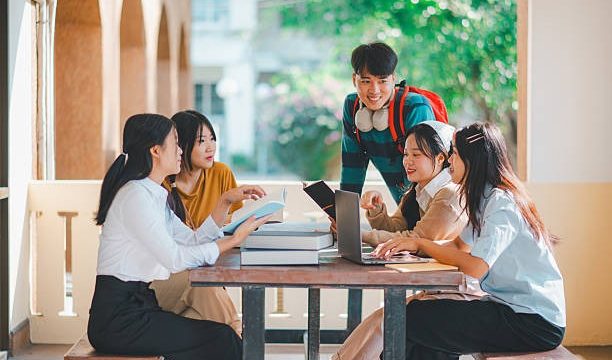
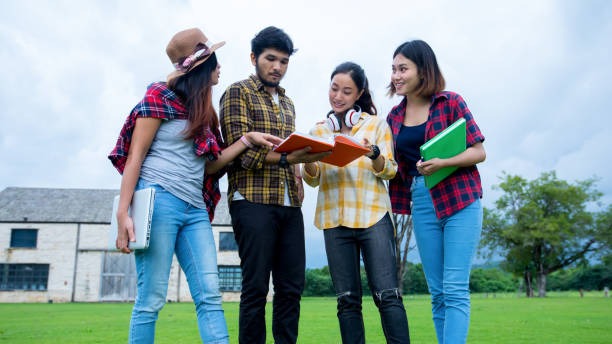
One of the most beautiful aspects of maker spaces is the sense of community they cultivate. These environments encourage collaboration, bringing together students from diverse backgrounds and skill sets. As they work on projects together, students learn to communicate effectively, share ideas, and support one another. This collaborative spirit fosters friendships and builds a sense of belonging, which can be especially important for students who may feel isolated in traditional academic settings.
In addition to peer collaboration, maker spaces often connect students with mentors and industry professionals. Workshops and events featuring guest speakers can inspire students and provide real-world insights into various fields. This connection to the broader community not only enhances the learning experience but also opens doors to future opportunities. Students begin to see the relevance of their work and how it fits into the larger world, igniting their passions and aspirations.
Nurturing skills for the future
In a rapidly evolving job market, it’s essential for students to develop a diverse skill set. Maker spaces are uniquely positioned to nurture these skills through hands-on learning experiences. Students engage with technology, design, engineering, and even entrepreneurship, gaining valuable competencies that will serve them well in their future careers.
Through projects in maker spaces, students learn not just technical skills but also critical thinking, problem-solving, and creativity. These competencies are increasingly sought after by employers, making maker spaces an important avenue for preparing students for the workforce. The ability to think outside the box and approach challenges with an innovative mindset is a significant advantage in any field.
The joy of creating
There’s something inherently satisfying about bringing an idea to life. In maker spaces, students experience the joy of creation firsthand. The process of designing, building, and refining a project can be incredibly rewarding. This joy not only boosts students’ self-esteem but also ignites a passion for learning that can last a lifetime.
Creating in a maker space allows students to express themselves in unique ways. Whether through art, technology, or engineering, they have the freedom to explore their interests and showcase their talents. This self-expression can be a powerful tool for personal growth, helping students to develop a strong sense of identity and confidence in their abilities.
A small shift toward balance
While the focus on hands-on learning is a hallmark of maker spaces, it’s important to remember that balance is key. Integrating maker space experiences with traditional academic learning can enhance overall educational outcomes. Students benefit from a well-rounded approach that combines theoretical knowledge with practical application.
By bridging the gap between classroom instruction and maker space activities, educators can create a more holistic learning environment. This integration allows students to see the relevance of what they are learning and encourages them to apply their knowledge in creative ways. The synergy between these two approaches fosters a deeper understanding of concepts and promotes a love for lifelong learning.
Embracing diversity and inclusion
Maker spaces have the potential to be inclusive environments where all students feel welcome and valued. By providing a space for collaboration and creativity, these spaces can help bridge gaps in education and empower underserved communities. When students from diverse backgrounds come together to create, they bring unique perspectives and ideas, enriching the learning experience for everyone involved.
Educators and community leaders are increasingly recognizing the importance of creating inclusive maker spaces. By offering programs that cater to a wide range of interests and abilities, they ensure that every student has the opportunity to engage and thrive. This commitment to diversity not only enhances the maker space experience but also prepares students to navigate an increasingly interconnected world.
Looking ahead
As we look to the future, the role of maker spaces in education will continue to evolve. The potential for innovation and creativity is limitless, and the impact on student experiences is profound. By embracing the principles of exploration, collaboration, and hands-on learning, maker spaces are transforming the way students engage with their education.
The journey of transformation is ongoing, and it’s an exciting time to be part of this movement. As more schools and communities recognize the value of maker spaces, we can anticipate a generation of students who are not only skilled and knowledgeable but also passionate about creating and contributing to the world around them. With the right support and resources, the possibilities for learning are truly endless.