In the heart of every vibrant classroom lies a unique tapestry woven from the diverse threads of student personalities, learning styles, and backgrounds.
As educators, the ability to cultivate a sense of unity among students is not just a skill but an essential competency.
The foundations of classroom unity are built upon the teacher’s competencies, which can transform a group of individuals into a cohesive community.
Creating an environment where students feel valued and connected can significantly enhance their learning experience. A teacher’s role in fostering this unity cannot be understated; it is a blend of empathy, communication, and adaptability that creates a nurturing atmosphere.
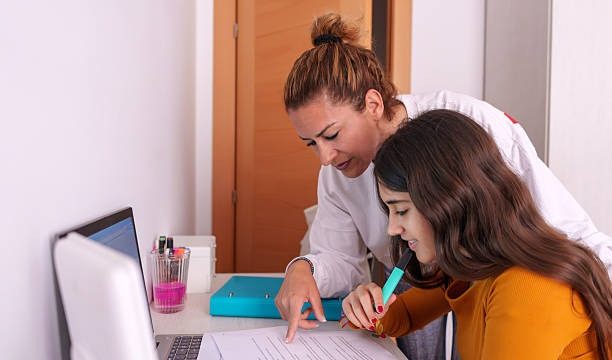
Understanding the importance of emotional intelligence is one of the most powerful competencies a teacher can possess. When educators demonstrate empathy, they create a safe space where students feel understood and accepted. This emotional connection fosters trust, allowing students to express their thoughts and feelings without fear of judgment. By acknowledging each student’s unique experiences and emotions, teachers can cultivate an environment that encourages open dialogue and collaboration.
Another key competency lies in the art of effective communication. A teacher who communicates clearly and positively can bridge gaps between diverse student groups. This involves not only articulating lessons in an engaging manner but also actively listening to students. When students feel heard, they are more likely to participate and contribute to classroom discussions. Such engagement is vital for building relationships among peers, as it encourages collaboration and a shared sense of purpose.
Flexibility is an essential characteristic that supports classroom unity. Each student brings their own learning style and pace to the classroom, and a teacher’s ability to adapt their teaching strategies to meet these varied needs can make all the difference. By incorporating different teaching methods—such as group work, hands-on activities, and discussions—educators can create an inclusive environment where every student feels they have a place. This adaptability not only supports individual learning but also fosters teamwork and camaraderie among students as they learn to respect and appreciate each other’s differences.
Creating a positive classroom culture is another competency that plays a significant role in fostering unity. A teacher can set the tone for the classroom by promoting respect, kindness, and inclusivity. Simple practices, such as establishing classroom agreements or celebrating each student’s achievements, can contribute to a sense of belonging. When students feel that their contributions are valued, they are more likely to support one another, creating an atmosphere of collaboration rather than competition.
Building relationships with students also extends beyond academic performance. When teachers take the time to learn about their students’ interests, hobbies, and backgrounds, they can create meaningful connections that resonate on a personal level. This understanding fosters a sense of belonging, making it easier for students to form friendships with one another. In a united classroom, students are more inclined to support each other, whether through collaborative projects or simply by being there for one another during challenging times.
Encouraging a growth mindset is another invaluable competency that can significantly enhance classroom unity. By teaching students that challenges are opportunities for growth, teachers help them develop resilience and a positive outlook. This mindset can transform the classroom into a supportive space where students cheer each other on through their struggles and triumphs. When students see their peers working hard and overcoming obstacles, they are inspired to do the same. This shared journey fosters a sense of community as students learn to celebrate not only their successes but also those of their classmates.
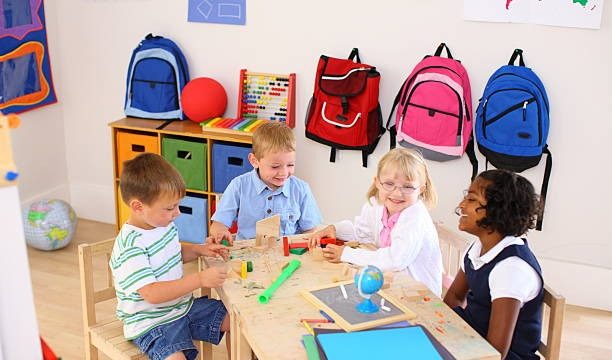
Incorporating diverse perspectives into the curriculum is another way to promote unity. When students encounter stories, histories, and viewpoints from various cultures and backgrounds, they gain a broader understanding of the world around them. This exposure encourages empathy and respect for differences, allowing students to appreciate the richness of diversity within their classroom. Teachers who weave these elements into their lessons not only enrich their students’ learning experiences but also cultivate a sense of belonging that transcends individual differences.
Encouraging peer collaboration is essential for building classroom unity. When students work together on projects, they learn to communicate effectively, compromise, and appreciate each other’s strengths. These collaborative experiences not only enhance their academic skills but also foster friendships and a sense of belonging. Teachers can facilitate this by designing group activities that require cooperation and teamwork, allowing students to bond over shared goals and experiences.
A small shift toward balance can also contribute significantly to classroom unity. Teachers can model self-care and stress management, showing students the importance of maintaining their well-being. By incorporating mindfulness practices or encouraging breaks, educators help students develop coping strategies that benefit both their academic performance and personal relationships. When students feel balanced, they are more likely to engage positively with their peers and contribute to a harmonious classroom environment.
In essence, the competencies that build classroom unity are rooted in empathy, communication, flexibility, and an understanding of diversity. Educators play a pivotal role in creating a nurturing space where students feel valued and connected. By fostering emotional intelligence, promoting effective communication, and encouraging collaboration, teachers can cultivate an environment that celebrates individuality while embracing community.
As we reflect on the profound impact of these competencies, it becomes clear that a united classroom is not merely a goal but a shared journey. It is through the dedication and compassion of teachers that students can thrive, forming bonds that extend beyond the classroom walls. In nurturing these connections, educators not only enhance the learning experience but also prepare students to navigate the world with empathy and respect for one another. Ultimately, a united classroom is a testament to the transformative power of education and the beautiful possibilities that arise when individuals come together as a community.