In the ever-evolving landscape of education, teachers often find themselves at the forefront of a multitude of challenges.
Their roles extend far beyond imparting knowledge; they are mentors, guides, and sometimes even counselors.
As students navigate the complexities of their academic and personal lives, the competencies that teachers embody become crucial.
The ability to effectively support students through these challenges can make a significant difference in their overall well-being and academic success.
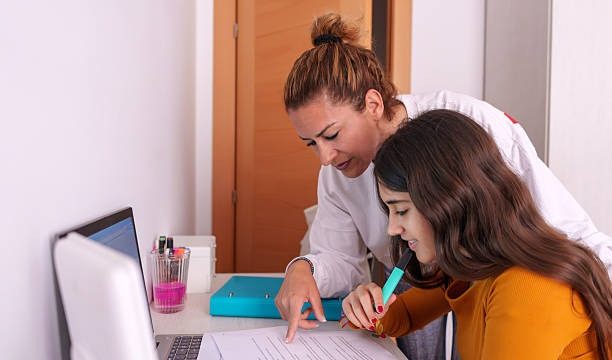
Creating a safe environment is one of the foundational competencies for teachers. When students feel secure in their surroundings, they are more likely to open up about their struggles. This safety net fosters trust, allowing students to express their thoughts and feelings without fear of judgment. A welcoming classroom atmosphere is not just about physical space; it’s about emotional accessibility. Teachers who actively listen and validate their students’ experiences create an environment where students are empowered to face their challenges head-on.
Emotional intelligence is another essential competency that teachers should cultivate. Understanding one’s own emotions and being attuned to the emotions of others can significantly enhance a teacher’s ability to connect with students. When educators demonstrate empathy, they not only acknowledge the struggles their students face but also model healthy emotional responses. This emotional awareness can bridge gaps between teachers and students, fostering stronger relationships and a deeper understanding of individual needs.
Encouraging resilience is a vital aspect of guiding students through difficulties. Life is filled with obstacles, and teaching students how to bounce back from setbacks is a gift that lasts a lifetime. Teachers can instill resilience by emphasizing the importance of persistence and effort. By sharing stories of their own challenges, teachers can illustrate that setbacks are a natural part of the learning process. This creates a culture where failure is viewed not as an endpoint but as an opportunity for growth.
Effective communication is another cornerstone of teacher competencies. The ability to convey ideas clearly and listen actively can transform the educational experience. Open lines of communication encourage students to express their concerns and seek help when needed. Teachers who practice active listening demonstrate that they value their students’ voices. This mutual respect fosters a sense of belonging, making it easier for students to confront their challenges with confidence.
A small shift toward balance can also play a significant role in how teachers guide their students. Educators often juggle numerous responsibilities, and it’s essential for them to model balance in their own lives. By prioritizing self-care and maintaining a healthy work-life balance, teachers can better support their students. When students see their teachers managing stress and taking time for themselves, it sends a powerful message about the importance of well-being. This modeling encourages students to prioritize their own mental health, allowing them to navigate challenges more effectively.
Collaboration is yet another vital competency in the teacher’s toolkit. Engaging with fellow educators, parents, and community resources can provide additional support for students facing challenges. When teachers collaborate, they can share insights, strategies, and resources that benefit the entire classroom. This sense of community creates a safety net for students, assuring them that they are not alone in their struggles. A collaborative approach can also bring diverse perspectives to problem-solving, enriching the learning environment.
Flexibility in teaching methods is essential for addressing the varied needs of students. Every student is unique, and what works for one may not work for another. Teachers who adapt their approaches based on individual student needs demonstrate a commitment to inclusivity. This flexibility can manifest in various ways, such as offering multiple ways to engage with material or providing different avenues for students to express their understanding. By being open to change, teachers can better support students as they navigate their personal challenges.
Fostering a growth mindset is a powerful way to help students embrace challenges. When teachers encourage students to view their abilities as something that can be developed through effort and practice, it transforms their approach to learning. This mindset shift empowers students to take risks and confront difficulties without the fear of failure. Teachers can nurture this mindset by celebrating small successes and encouraging a love for learning that extends beyond grades and assessments.
The integration of mindfulness practices in the classroom can also enhance the teacher’s ability to guide students through challenges. Mindfulness encourages present-moment awareness, helping students manage stress and anxiety. By incorporating simple mindfulness exercises, such as breathing techniques or brief moments of reflection, teachers can create a calm atmosphere conducive to learning. These practices not only benefit students but can also provide teachers with tools to manage their own stress.
Ultimately, the journey of guiding students through challenges is a deeply human experience. It requires patience, compassion, and a willingness to learn alongside students. Teachers who embrace their roles as facilitators of growth contribute to a nurturing educational environment where students feel valued and supported. As they navigate their own challenges, teachers can inspire resilience, emotional intelligence, and a love for lifelong learning in their students.
In a world filled with uncertainties, the competencies teachers develop and embody play a crucial role in shaping the next generation. By fostering safe environments, practicing empathy, and modeling balance, teachers can guide their students through challenges with grace and understanding. As educators continue to evolve, their impact on students’ lives will resonate far beyond the classroom, nurturing not just learners but well-rounded individuals ready to face the world.