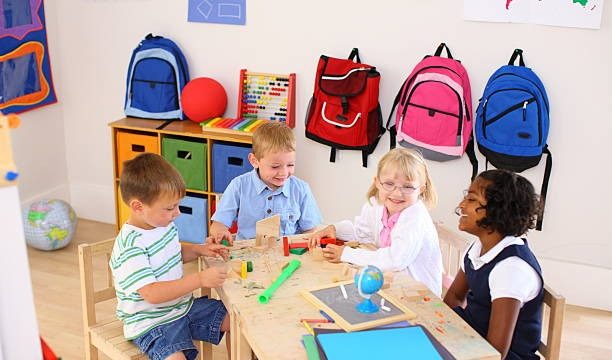
In the heart of every classroom lies a world of potential, where young minds gather to learn, explore, and grow.
Teachers play a pivotal role in shaping this environment, fostering a culture that encourages curiosity, respect, and collaboration.
The competencies that educators bring to their classrooms can significantly influence the dynamics of their teaching spaces.
Here, we explore some key teacher competencies that contribute to a positive class culture, creating a nurturing atmosphere for both students and teachers alike.
Creating a warm and welcoming environment is perhaps one of the most vital competencies a teacher can possess. When students step into a classroom that feels safe and inviting, they are more likely to engage with the material and express their thoughts freely. This warmth can manifest in simple gestures, such as greeting each student at the door or taking time to learn their names and interests. When students feel seen and valued, they are encouraged to participate actively in their learning journey.
Another essential aspect of fostering a positive classroom culture is the ability to build strong relationships. Teachers who invest time in getting to know their students—understanding their backgrounds, interests, and learning styles—create bonds that enhance the learning experience. These connections can lead to increased trust, which is crucial for open dialogue and collaboration. Students are more likely to feel comfortable sharing their ideas and asking questions when they know their teacher genuinely cares about their well-being.
Encouraging a growth mindset is another competency that can significantly impact class culture. When teachers model the belief that abilities and intelligence can be developed through effort and perseverance, they inspire their students to embrace challenges rather than shy away from them. This approach cultivates resilience, encouraging students to view setbacks as opportunities for growth. In an environment where mistakes are seen as part of the learning process, students feel empowered to take risks and explore new ideas.
In addition to fostering relationships and promoting a growth mindset, effective communication skills are crucial for teachers. Clear, open communication helps to establish expectations and boundaries while also allowing for constructive feedback. When teachers express themselves in a way that is both respectful and approachable, students are more likely to engage in dialogue and share their thoughts. This reciprocal communication nurtures a culture of respect and collaboration, where every voice is valued.
A teacher’s ability to model empathy is another cornerstone of a positive classroom culture. By demonstrating understanding and compassion, educators set the tone for how students interact with one another. When teachers respond to student needs with empathy, it encourages students to practice kindness and consideration in their own interactions. This ripple effect can create a supportive environment where students feel comfortable expressing their emotions and supporting their peers.
Promoting inclusivity is also an essential competency for teachers looking to foster a positive class culture. Recognizing and celebrating the diverse backgrounds and experiences of students enriches the learning environment. When teachers incorporate diverse perspectives into their lessons and encourage discussions around differences, they create a sense of belonging for all students. This inclusivity not only enhances the educational experience but also prepares students to thrive in a multicultural world.
A small shift toward balance can also have a profound impact on classroom culture. Teachers who prioritize their own well-being and model self-care practices demonstrate the importance of balance to their students. When educators take time for themselves, whether through mindfulness practices, hobbies, or simply unplugging from work, they show students the value of maintaining a healthy life balance. This modeling encourages students to prioritize their own well-being, leading to a more focused and engaged classroom atmosphere.
Additionally, teachers who embrace flexibility and adaptability contribute positively to the classroom culture. The ability to adjust lesson plans and teaching strategies in response to student needs can create a more dynamic and responsive learning environment. When students see that their teachers are willing to pivot and explore new approaches, they learn to be open-minded and adaptable themselves. This flexibility fosters a culture of innovation and creativity, encouraging students to think outside the box.
Finally, fostering a sense of community within the classroom is essential for building a positive culture. Teachers can create opportunities for collaborative projects, group discussions, and peer-to-peer learning experiences. When students work together towards common goals, they develop a sense of camaraderie and belonging. This sense of community not only enhances social skills but also encourages students to support one another, fostering a nurturing atmosphere.
In conclusion, the competencies that teachers bring to their classrooms have a profound impact on the culture within those spaces. By creating a warm and welcoming environment, building strong relationships, encouraging a growth mindset, and promoting inclusivity, educators can cultivate a positive class culture that nurtures the potential of every student. The journey of teaching is not just about imparting knowledge; it is about fostering a community of learners who feel valued, respected, and empowered to thrive. As teachers embrace these competencies, they pave the way for a brighter future for their students, one where curiosity and collaboration flourish.