In a world where communication is more vital than ever, the role of a teacher extends beyond imparting knowledge.
It encompasses fostering an environment where students feel encouraged to express themselves skillfully.
This journey toward effective expression is not just about mastering language or art; it’s about nurturing the whole person.
To achieve this, teachers can embody certain competencies that create a supportive and engaging atmosphere for their students.
Creating a nurturing environment is one of the most significant competencies a teacher can develop. This environment is characterized by warmth, safety, and openness. When students feel secure, they are more likely to take risks in their expression, whether that be through writing, speaking, or other forms of communication. A teacher who actively listens and shows genuine interest in students’ thoughts fosters a sense of belonging. This connection encourages students to share their ideas without fear of judgment.
Another essential competency is the ability to differentiate instruction. Each student has unique strengths, weaknesses, and interests. By recognizing these differences, teachers can tailor their approaches to meet individual needs. This might mean providing varied opportunities for expression, such as visual arts, drama, or digital media. When students have choices in how they express their understanding, they are more likely to engage deeply and authentically with the material. This flexibility not only enhances their skills but also empowers them to discover their voices.
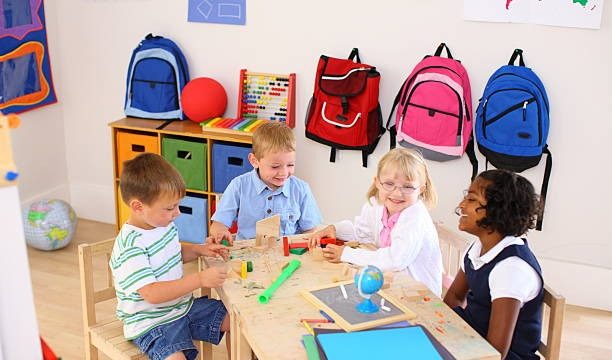
Encouraging collaboration among students is also a key component of fostering skillful expression. When teachers create opportunities for group work, they allow students to learn from one another and build upon each other’s ideas. Collaboration can take many forms, from group discussions to peer reviews. In these settings, students can practice articulating their thoughts and receive constructive feedback in a supportive context. This exchange of ideas not only enhances their communication skills but also cultivates a sense of community within the classroom.
In addition to fostering collaboration, teachers should embrace creativity in their teaching methods. A creative approach can invigorate lessons and inspire students to think outside the box. This could involve integrating storytelling, role-playing, or even incorporating technology in innovative ways. When students are encouraged to explore their creativity, they often find new and exciting ways to express their thoughts and feelings. It’s in these moments of exploration that they often discover their unique modes of expression.
Building critical thinking skills is another vital competency for teachers aiming to encourage skillful expression. Critical thinking is the foundation of effective communication. When students learn to analyze information, evaluate arguments, and synthesize ideas, they become more adept at articulating their thoughts clearly and persuasively. Teachers can facilitate this by asking open-ended questions, promoting discussions that challenge assumptions, and encouraging students to explore multiple perspectives. By nurturing these skills, teachers empower students to express themselves with confidence and clarity.
A gentle shift toward balance in feedback is essential for nurturing skillful expression. Feedback should be constructive and encouraging, focusing on both strengths and areas for growth. Teachers who provide thoughtful, specific feedback help students understand their progress and areas where they can improve. This approach not only builds confidence but also motivates students to refine their skills. When feedback is framed positively, it transforms the learning process into an opportunity for growth rather than a source of anxiety.
Moreover, teachers can model effective communication themselves. By demonstrating clear and thoughtful expression, teachers set a standard for their students. Whether it’s through their speech, writing, or interactions, teachers who communicate with intention and clarity inspire their students to do the same. This modeling extends beyond language; it encompasses body language, active listening, and respectful dialogue. Students are keen observers, and when they see their teachers embodying these qualities, they are more likely to adopt them in their own interactions.
Incorporating mindfulness practices into the classroom can also significantly enhance students’ ability to express themselves skillfully. Mindfulness encourages students to pause, reflect, and connect with their thoughts and feelings. By integrating short mindfulness exercises, such as breath awareness or guided imagery, teachers can help students cultivate a deeper awareness of their internal experiences. This heightened awareness often translates into more thoughtful and intentional expression, whether in writing or speaking.
Lastly, it’s important for teachers to maintain a growth mindset. This mindset emphasizes the belief that abilities can be developed through dedication and hard work. When teachers embody this perspective, they not only inspire their students to embrace challenges but also create an environment where mistakes are viewed as learning opportunities. This approach encourages students to take risks in their expression, knowing that growth comes from experimentation and perseverance.
In conclusion, the competencies that teachers develop for encouraging skillful expression are multifaceted and deeply impactful. By fostering a nurturing environment, differentiating instruction, promoting collaboration, embracing creativity, building critical thinking skills, providing balanced feedback, modeling effective communication, incorporating mindfulness, and maintaining a growth mindset, teachers can inspire their students to express themselves with confidence and authenticity. The journey toward skillful expression is not just about mastering techniques; it’s about nurturing the whole child, allowing each student to find and share their unique voice in the world. In doing so, teachers play an essential role in shaping not only skilled communicators but also thoughtful, engaged citizens who can contribute meaningfully to society.