Supporting Early Childhood Bilingual Education
In a world that is becoming increasingly interconnected, the ability to communicate in more than one language is a valuable asset.
Early childhood bilingual education has gained momentum, and for good reason.
The formative years are essential for language acquisition, and exposing children to multiple languages at a young age can set the stage for a lifetime of opportunities. Embracing this educational approach not only enriches children’s lives but also fosters cultural understanding and empathy.
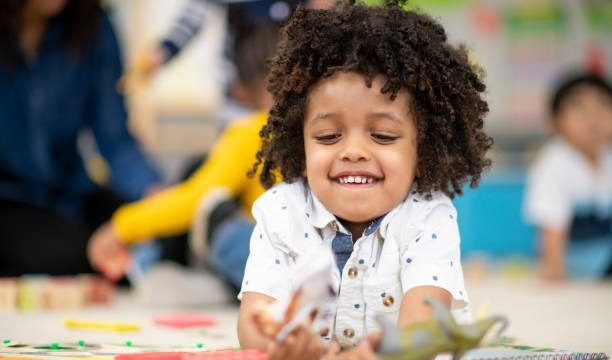
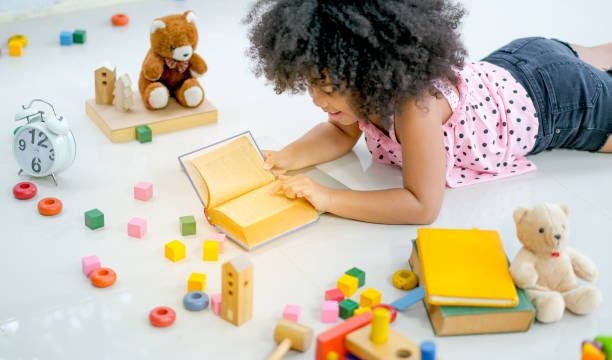
The joy of language is often best experienced through play and exploration. In early childhood settings, children are naturally curious, eager to learn, and ready to absorb new experiences. This is the perfect environment for introducing a second language. When children engage with bilingual education, they do so in a way that feels organic and fun. Through songs, stories, and interactive activities, they can learn without the pressure that often accompanies formal education.
A gentle introduction to bilingualism can be done in various ways. For instance, caregivers and educators can incorporate simple words and phrases from a second language into daily routines. This could be as simple as labeling objects around the classroom or home with their names in both languages. Children are adept at picking up words and phrases through repetition and context, making these small shifts impactful.
Building a strong foundation in both languages is crucial. Research suggests that children who are bilingual often perform better academically and socially. They develop a deeper understanding of language structures and can easily switch between languages, a skill known as code-switching. This fluidity not only enhances cognitive flexibility but also deepens their appreciation for diverse cultures.
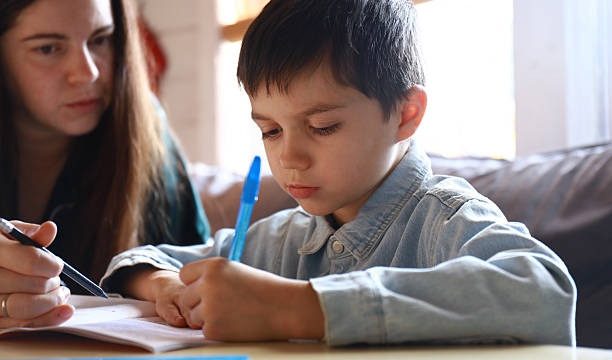
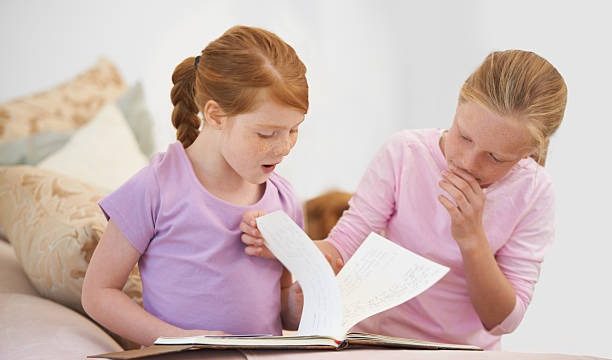
Creating a supportive environment for bilingual education at home is equally important. Parents and caregivers play a pivotal role in nurturing language development. Reading bilingual books together, watching age-appropriate shows in both languages, and engaging in conversations can significantly enhance a child’s language skills. It’s vital to create an atmosphere where both languages are valued. This can help children feel proud of their bilingual identity and encourage them to use both languages freely.
A small shift toward balance can also be beneficial. It’s essential to recognize that learning two languages simultaneously can sometimes lead to moments of confusion. Children may mix words or phrases, which is a normal part of the learning process. Rather than discouraging this behavior, it’s essential to celebrate their efforts and gently guide them towards correct usage. This supportive approach fosters confidence and resilience, qualities that will serve them well throughout their lives.
Incorporating cultural elements into bilingual education can further enhance the experience. Language is deeply intertwined with culture, and exposing children to the traditions, music, and stories associated with a language can enrich their understanding. Celebrating cultural events and holidays related to both languages can create a sense of belonging and connection. It’s an opportunity for children to not only learn about a language but to experience the richness of the cultures that come with it.
As children grow, the benefits of bilingualism continue to unfold. Studies indicate that bilingual individuals may have better problem-solving skills and greater creativity. They often possess heightened empathy and are more open-minded, qualities that are essential in today’s global society. By supporting early childhood bilingual education, we are not just teaching children to communicate in two languages; we are equipping them with tools to navigate an increasingly diverse world.
Educators and parents alike should embrace the idea of lifelong learning. Just as children are learning languages, adults can engage in their language journey as well. This shared experience can foster deeper connections between parents and children, creating a family environment that values education and cultural exchange. Learning together reinforces the idea that language acquisition is a journey that can be fun and fulfilling at any age.
Community involvement can also play a significant role in supporting bilingual education. Local libraries, cultural centers, and community organizations often offer resources and programs aimed at promoting language learning. Participating in community events that celebrate linguistic diversity can provide children with opportunities to practice their language skills in a supportive environment. These interactions can help children feel more confident and connected to their peers, fostering friendships that transcend language barriers.
Encouraging bilingual education requires a collective effort. Schools, families, and communities must work together to create an environment that values and nurtures language development. This collaboration can take many forms, from organizing bilingual playgroups to hosting workshops for parents interested in supporting their children’s language learning. By sharing resources and strategies, we can build a network of support that empowers families to embrace bilingualism.
As we look to the future, it’s essential to recognize the importance of fostering an inclusive and supportive environment for bilingual education. The benefits of being bilingual extend beyond personal achievement; they contribute to a more harmonious society. By nurturing young minds to appreciate the beauty of multiple languages and cultures, we are cultivating a generation that values diversity and empathy.
Supporting early childhood bilingual education is not just an educational choice; it’s a lifestyle that enriches the lives of children and families alike. By embracing the journey of language learning together, we can create a world where communication knows no boundaries and cultural understanding thrives. As we nurture the next generation, let us remember the power of language to connect us all, opening doors to new friendships, experiences, and opportunities.