In a world that grows increasingly interconnected, the ability to switch between languages is not just a skill but a vital part of communication.
For students, navigating multiple languages can feel like a dance—sometimes graceful and fluid, at other times clumsy and disorienting.
However, fostering this ability can lead to enriching experiences and deeper connections, both academically and socially.
Language is more than just a means of communication; it’s a gateway to culture, ideas, and understanding. For students who are bilingual or multilingual, the challenge often lies in the fluidity of switching between languages, or code-switching. This process can be influenced by various factors, including context, audience, and even emotional state. Understanding these nuances can help students become more adept at navigating their linguistic landscape.
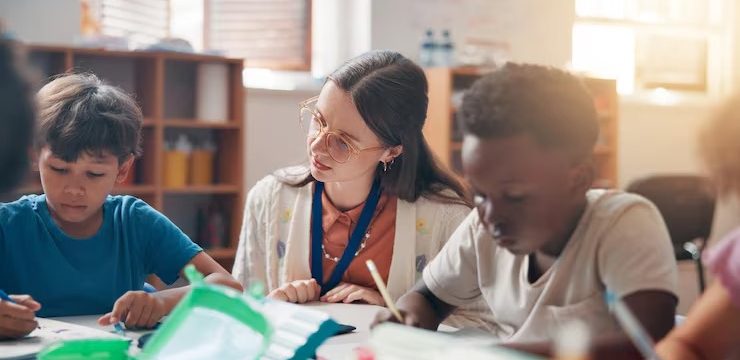
Creating a supportive environment is key to helping students embrace their multilingual abilities. Encouragement from teachers, family, and peers can significantly enhance confidence. When students feel safe to experiment with language, they are more likely to engage in conversations that require them to switch between languages. This can mean using a mix of languages in casual settings or adapting their speech in formal situations.
A small shift toward balance can make a big difference. Students may find that setting aside specific times to practice each language helps compartmentalize their learning. For instance, designating certain hours for speaking one language at home while using another at school can reinforce their understanding and usage. This not only aids in fluency but also helps them to appreciate the unique qualities of each language.
Incorporating cultural elements can further enrich the learning experience. Language is deeply intertwined with culture, and exploring the traditions, music, and literature associated with each language can invigorate a student’s passion for learning. This exploration can be as simple as listening to music in the target language, watching films, or participating in cultural events. These activities not only enhance language skills but also provide context that makes switching between languages feel more natural and less daunting.
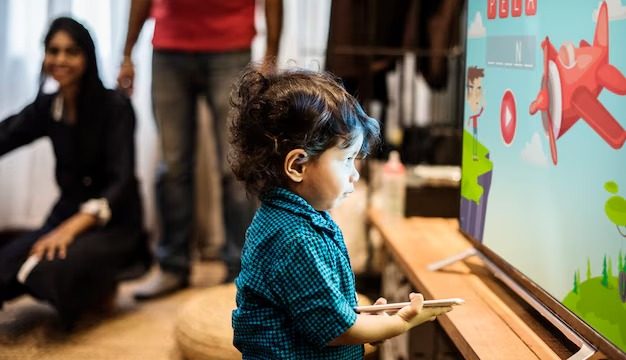
Another gentle approach is to utilize technology in a way that feels engaging rather than overwhelming. There are countless apps and online resources that encourage language practice in a fun and interactive manner. For example, language exchange platforms can connect students with native speakers, allowing them to practice in real-time while learning about each other’s cultures. This real-world application of language can be incredibly motivating and can help students become more comfortable with switching between languages seamlessly.
It’s also essential to recognize that switching languages can sometimes lead to moments of frustration. Students may experience instances where they feel lost in translation or struggle to find the right words. Acknowledging these feelings is an important step in the learning process. Encouraging students to share their experiences with peers can foster a sense of community, allowing them to realize that they are not alone in their struggles. Open discussions about the challenges of language switching can lead to shared strategies and support systems.
Practicing mindfulness can be a wonderful tool for students navigating multiple languages. Being present and aware of their thoughts can help students become more attuned to when and how they switch languages. Mindfulness exercises, such as deep breathing or short meditative practices, can create a calming space that allows for clearer thinking and better language recall. When students feel grounded, they may find it easier to transition between languages without anxiety.
Building a routine that incorporates language practice into daily life can also be beneficial. This could involve reading books in one language before bedtime, journaling in another, or even setting aside time for language-focused games with friends. By weaving language practice into their everyday lives, students can create a more organic and enjoyable learning experience.
Patience is essential in this journey. Language learning is a gradual process, and students should be reminded that it’s perfectly normal to encounter challenges along the way. Celebrating small victories, whether it’s completing a conversation in a second language or understanding a new phrase, can help build confidence.
As students become more adept at switching between languages, they may notice an increase in cognitive flexibility. Research suggests that bilingualism can enhance problem-solving skills and creativity. This cognitive benefit is an added bonus to the rich cultural experiences that come with being multilingual.
In fostering an environment where students feel empowered to switch between languages, we are not only helping them develop a skill but also enabling them to thrive in a diverse world. The ability to communicate across linguistic barriers opens up a myriad of opportunities, from academic success to personal growth.
Ultimately, the journey of switching between languages is one of discovery and connection. Each interaction, each conversation, adds a layer to their understanding of themselves and the world around them. By embracing this process with warmth and encouragement, we can help students navigate their multilingual paths with confidence and joy.
In a society that celebrates diversity, the ability to switch between languages is a gift. It’s a bridge to understanding and a pathway to connection. With the right support and encouragement, students can not only master the art of language switching but also enrich their lives in countless ways.