In the ever-evolving landscape of education, the role of teachers is more crucial than ever.
As the heart of the classroom, educators not only impart knowledge but also shape the future of their students.
To navigate the complexities of modern teaching, it’s essential for educators to cultivate a range of competencies that enhance their instructional strategies. Let’s explore these competencies, which can help teachers create engaging, effective learning environments that resonate with students.
A gentle understanding of student needs
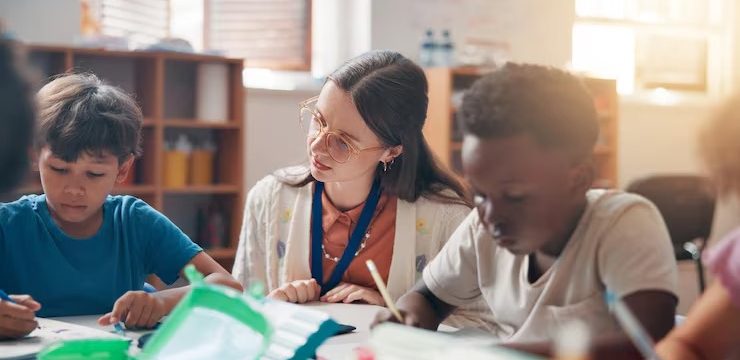
At the core of effective teaching lies a deep understanding of students. Each learner comes with a unique set of experiences, backgrounds, and learning styles. Teachers who take the time to understand these individual differences can tailor their instructional strategies accordingly. Engaging with students through conversations, observations, and assessments helps educators identify what works best for each child. This empathetic approach fosters a supportive atmosphere where students feel valued and understood, making them more receptive to learning.
A commitment to lifelong learning
In a world where information is constantly evolving, teachers must embrace a mindset of lifelong learning. This involves staying updated on the latest research, educational trends, and innovative teaching methods. By participating in professional development opportunities, attending workshops, and collaborating with colleagues, teachers can refine their skills and expand their knowledge base. This commitment not only enhances their instructional strategies but also serves as a model for students, encouraging them to become lifelong learners themselves.
The art of communication
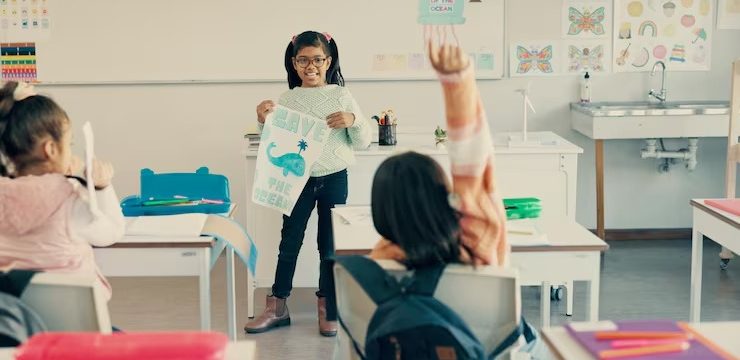
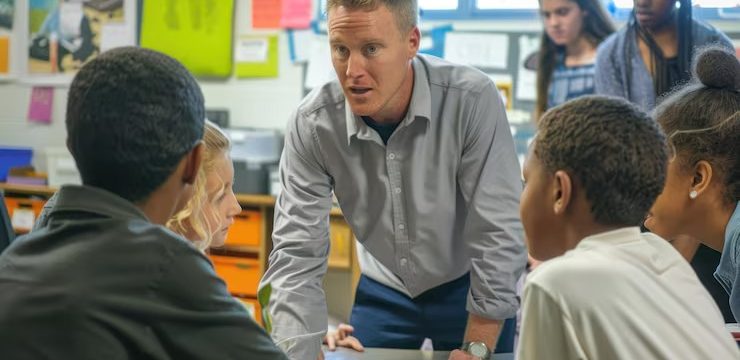
Effective communication is a vital competency for teachers. It goes beyond simply delivering information; it encompasses the ability to connect with students, foster discussions, and encourage critical thinking. A teacher’s tone, body language, and choice of words all contribute to the learning experience. By creating a safe space for open dialogue, teachers can inspire students to express their thoughts and questions freely. This two-way communication enriches the classroom environment, making learning a collaborative journey rather than a one-sided lecture.
Flexibility in teaching approaches
Every classroom is a dynamic ecosystem where no two days are the same. Teachers who embrace flexibility in their instructional strategies can adapt to the changing needs and moods of their students. This might mean modifying lesson plans on the fly, incorporating different teaching styles, or utilizing various resources to cater to diverse learning preferences. By being flexible, educators demonstrate resilience and creativity, qualities that not only enhance their teaching but also inspire students to adapt and thrive in uncertain situations.
Cultivating a positive classroom environment
The atmosphere of a classroom plays a significant role in student success. Teachers who prioritize creating a positive and inclusive environment set the stage for effective learning. This involves establishing clear expectations, promoting mutual respect, and celebrating diversity. When students feel safe and supported, they are more likely to engage actively in their learning. Simple gestures, such as greeting students at the door or recognizing their achievements, can foster a sense of belonging and community within the classroom.
Integrating technology thoughtfully
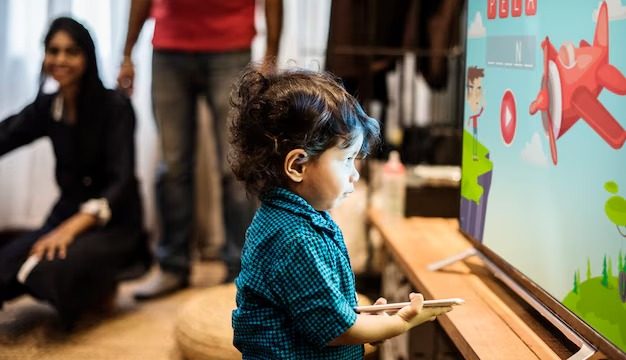
In today’s digital age, technology is an integral part of education. Teachers who embrace technology as a tool for enhancing instruction can provide students with diverse learning experiences. This might involve incorporating multimedia presentations, utilizing educational apps, or facilitating online discussions. However, it’s essential for educators to approach technology thoughtfully, ensuring that it complements their teaching rather than detracts from it. By striking this balance, teachers can prepare students for a technology-driven world while maintaining the personal connections that are vital for effective learning.
Fostering critical thinking and problem-solving skills
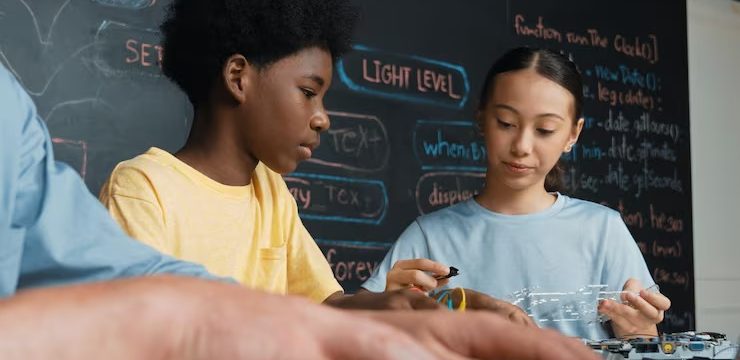
Teaching is not just about delivering content; it’s about equipping students with the skills they need to navigate the complexities of life. By fostering critical thinking and problem-solving abilities, teachers empower students to analyze situations, think creatively, and make informed decisions. This might involve encouraging students to ask questions, engage in debates, or work on collaborative projects. When students learn to think critically, they develop a toolkit that will serve them well beyond the classroom.
Building strong relationships with families
Education is a partnership between teachers and families. Establishing strong relationships with parents and guardians can significantly enhance the learning experience. Teachers who communicate regularly with families about their child’s progress, challenges, and successes create a supportive network that reinforces learning at home. This collaborative approach fosters a sense of community and ensures that students have the encouragement and resources they need to thrive.
Embracing diversity and inclusion
A truly effective teacher recognizes the importance of diversity and inclusion in the classroom. This means not only acknowledging different backgrounds and cultures but actively incorporating them into the curriculum. By celebrating diversity, teachers enrich the learning experience for all students and promote empathy and understanding. Creating inclusive lesson plans that reflect various perspectives allows students to see themselves in the material, fostering a deeper connection to their education.
The power of reflection
Finally, reflection is a crucial competency for teachers. Taking the time to evaluate one’s teaching practices can lead to meaningful growth and improvement. Whether it’s through journaling, peer feedback, or self-assessment, reflecting on what works and what doesn’t enables educators to refine their strategies. This ongoing process of reflection allows teachers to adapt to the needs of their students continually, ensuring that they remain effective and responsive in their roles.
In conclusion, the competencies that enhance instructional strategies are varied and interconnected. By nurturing a deep understanding of student needs, committing to lifelong learning, and developing effective communication skills, teachers can create enriching learning environments. Flexibility, positivity, and thoughtful integration of technology further contribute to this dynamic process. As educators embrace diversity, foster critical thinking, and build strong relationships with families, they cultivate a holistic approach to teaching that prepares students for a bright future. Ultimately, the journey of enhancing instructional strategies is one of growth, connection, and unwavering dedication to the art of teaching.