In our increasingly interconnected world, being able to communicate in more than one language is not just a valuable skill; it’s a bridge to understanding and connection.
For educators and learners alike, the challenge of making lessons clear in two languages can feel daunting.
However, with a thoughtful approach, it can transform into a rewarding experience that fosters a deeper appreciation for language and culture.
The beauty of bilingual education lies in its ability to enhance cognitive abilities while nurturing emotional intelligence. When lessons are delivered in two languages, students can draw on their existing knowledge and experiences, making the learning process not only more relatable but also more engaging. Here are some gentle strategies to help make lessons clear and accessible for all learners.
Creating a welcoming environment is the first step toward clarity. When students feel comfortable, they are more likely to participate actively and ask questions. Consider incorporating elements from both cultures within the classroom setting. This could mean displaying bilingual resources, having books in both languages available, or even decorating the space to reflect the diverse backgrounds of the students. Such an atmosphere encourages learners to embrace their own linguistic identities while fostering respect for others.
When it comes to lesson delivery, clarity is key. It’s essential to think about how to structure your content to cater to both language speakers. Begin with a clear outline of the lesson, highlighting the main objectives in both languages. This approach not only sets expectations but also helps students visualize the pathway to understanding. As you move through the lesson, consider using simple language and repeating key concepts in both languages. This repetition reinforces learning and helps bridge any gaps in understanding.
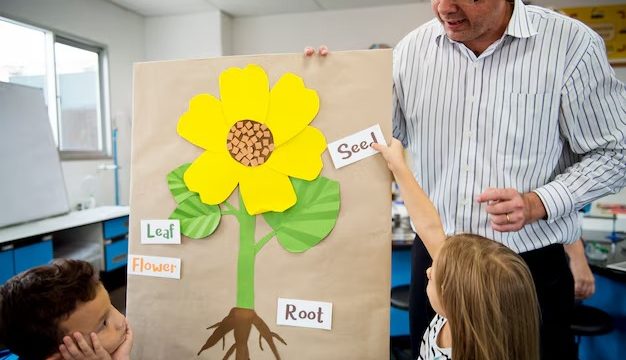
Visual aids are powerful tools in bilingual education. Incorporating images, diagrams, and charts can help clarify complex ideas and make lessons more engaging. For example, if you’re teaching a science lesson, using labeled diagrams in both languages can assist in reinforcing vocabulary while providing context. Similarly, storytelling can serve as an effective method for teaching language. Narratives that are rich in cultural elements can captivate students’ attention and provide a narrative thread that connects both languages.
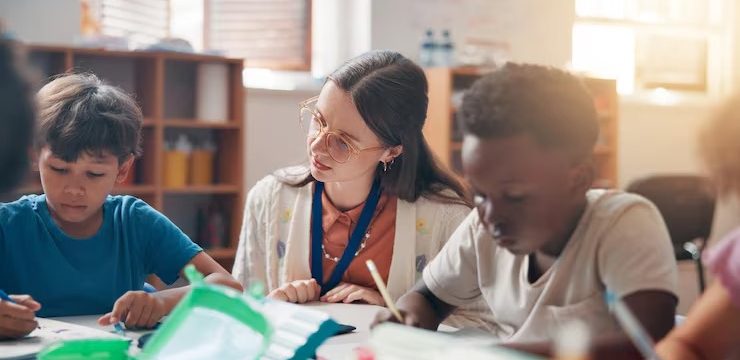
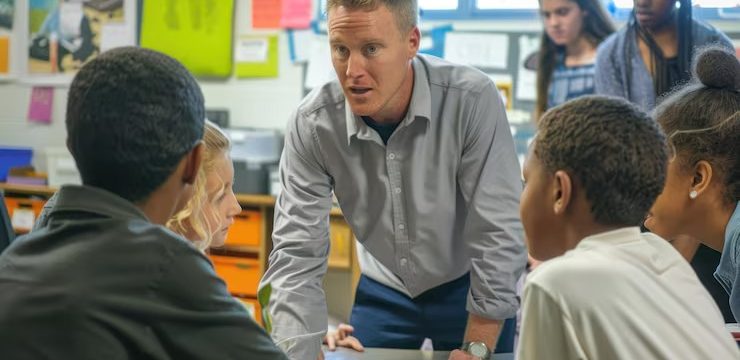
Another gentle approach to enhancing clarity is to encourage peer collaboration. Pairing students who are fluent in different languages can create a supportive learning environment. This not only allows for shared knowledge but also promotes empathy and understanding among peers. Encourage students to explain concepts to one another in their preferred language, fostering a sense of community and shared learning. This collaborative spirit can be particularly beneficial in group projects or discussions, where diverse perspectives can shine.
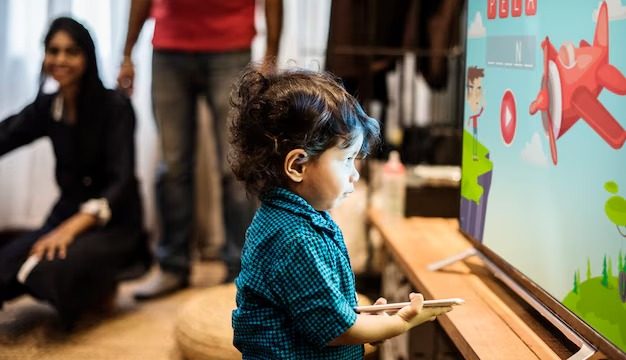
Incorporating technology can also enhance the bilingual learning experience. Various apps and online resources offer interactive ways to engage with content in multiple languages. For instance, language learning platforms often provide exercises that adapt to the learner’s pace, making it easier to grasp challenging concepts. Additionally, multimedia resources such as videos or podcasts can introduce learners to native speakers, enriching their understanding of pronunciation and cultural nuances.
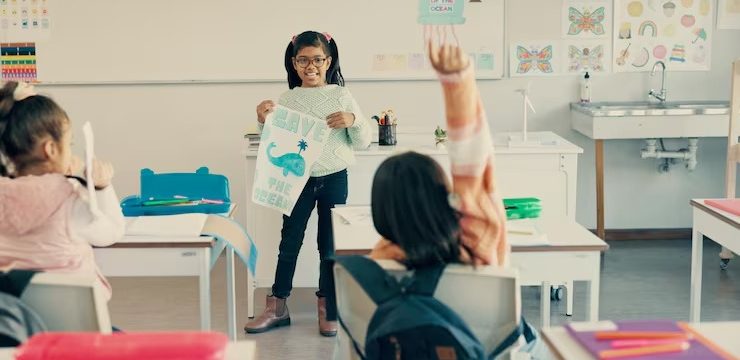
Assessment is an essential part of the learning process, and when teaching in two languages, it’s crucial to approach evaluations thoughtfully. Consider designing assessments that allow students to demonstrate their understanding in both languages. This could be through written assignments, presentations, or even creative projects. By providing options, you empower students to express their knowledge in a way that feels natural to them, ultimately leading to a more accurate representation of their skills.
A small shift toward balance can make a significant difference. As educators, it’s important to remain mindful of the language dynamics within the classroom. While it can be tempting to favor one language over the other, striving for a balance in language use can create an equitable learning environment. This could mean alternating between languages during lessons or ensuring that resources are available in both languages. By doing so, you validate each student’s linguistic background, promoting inclusivity and respect.
Feedback plays a vital role in the learning journey. Regularly check in with students to gauge their understanding and comfort levels. Encourage them to share their thoughts on the bilingual approach and any challenges they may be facing. This open dialogue can provide invaluable insights into how to adjust your teaching methods to better meet their needs. Creating a feedback loop not only enhances clarity but also fosters a sense of ownership over the learning process.
As we navigate the complexities of bilingual education, it’s important to celebrate the small victories along the way. Recognize and appreciate the progress students make in both languages, no matter how incremental. Acknowledging their efforts can boost motivation and reinforce the value of bilingualism. Consider incorporating cultural celebrations that highlight the richness of both languages. This can serve as a reminder of the joys of learning and the connections that language can foster.
Ultimately, making lessons clear in two languages is about more than just language acquisition; it’s about building connections and understanding. By creating a nurturing environment, utilizing diverse teaching methods, and encouraging collaboration, educators can foster an enriching bilingual experience. As students embark on this journey, they not only gain language skills but also develop a broader worldview, setting the stage for lifelong learning and appreciation for the beauty of language.
In this ever-evolving world, the ability to communicate in multiple languages is a gift that transcends borders. By embracing the challenge of bilingual education, we open the door to a wealth of experiences that enhance not just academic success but also personal growth. Each step taken in this journey is a step toward greater understanding and connection, enriching both the learner and the community at large.