Creating a bilingual classroom can be a rewarding yet challenging endeavor.
As educators, we often seek to create an environment where every student feels included, valued, and comfortable.
In a bilingual setting, this goal takes on a unique nuance. The blend of languages and cultures can enrich the learning experience, but it also requires thoughtful strategies to ensure that all students thrive. Here are some gentle ways to foster comfort in a bilingual classroom.
A warm welcome for every voice
The first step in nurturing a supportive bilingual environment is to establish a welcoming atmosphere. This begins long before students step through the classroom door. Consider how you can make the space feel inviting. Displaying multilingual signs or incorporating cultural artifacts can signal to students that their backgrounds are not just acknowledged but celebrated. It’s essential to create a space where every language is valued equally, allowing students to feel proud of their linguistic heritage.
As students enter the classroom, greet them in both languages. A simple “Hello” and “Hola” can set a positive tone for the day. This small gesture helps students feel recognized and appreciated. Additionally, encourage them to greet one another in their preferred language. This practice not only fosters a sense of belonging but also reinforces the importance of communication across linguistic boundaries.
Building bridges through collaboration
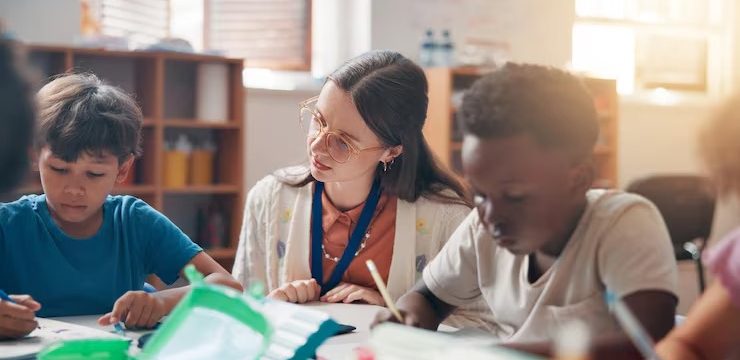
In a bilingual classroom, collaboration is key. Encouraging students to work together on projects can help them learn from one another while also fostering friendships. Pairing students who speak different languages can encourage them to practice their language skills in a supportive setting. This approach not only enhances language development but also fosters empathy and understanding.
Consider implementing group activities that require students to share their knowledge and experiences. For example, a storytelling project where students share tales from their cultural backgrounds can be a beautiful way to build connections. As they listen to each other’s stories, students gain insight into diverse perspectives, which can deepen their appreciation for one another.
Creating a safe space for expression
Language can sometimes be a barrier to expression, especially for students who may feel self-conscious about their proficiency. To help mitigate this, it’s essential to create a safe space where students feel comfortable making mistakes. Encourage them to express their thoughts and ideas, regardless of their language skills. Remind them that the classroom is a place for learning and growth, and mistakes are simply stepping stones on that journey.
Incorporating activities that allow for creative expression can also help. Art projects, music, and drama can provide alternative outlets for students to share their thoughts and feelings. These activities can transcend language barriers and foster a sense of community among students. When they feel free to express themselves, they are more likely to engage with their peers and the curriculum.
Encouraging cultural exchange
A bilingual classroom is a mosaic of cultures, and embracing this diversity can enhance the learning experience for everyone. Encourage students to share their cultural traditions, holidays, and food. This can be through presentations, storytelling, or even a potluck where everyone brings a dish from their culture. Such activities not only enrich the classroom environment but also allow students to take pride in their heritage.
To further promote cultural exchange, consider inviting guest speakers from various backgrounds. This exposure can broaden students’ horizons and provide them with role models who embody the richness of bilingualism. When students see successful individuals who share their cultural or linguistic background, it can inspire them and help them envision their potential.
Fostering language development through play
Play is a natural way for children to learn, and it can be particularly effective in a bilingual classroom. Engaging students in games that require language use can promote language development while also being enjoyable. Incorporate activities that encourage teamwork and communication, such as language-based scavenger hunts or collaborative storytelling games.
These playful interactions can help students build their vocabulary and confidence in both languages. Additionally, they create opportunities for students to connect with one another, fostering friendships that transcend language differences.
Promoting a growth mindset
In a bilingual setting, it’s essential to instill a growth mindset in students. Encourage them to view language learning as a journey rather than a destination. Celebrate progress, no matter how small, and remind them that fluency takes time and practice. This perspective can help alleviate the pressure some students may feel when learning a new language.
Creating opportunities for reflection can also support a growth mindset. Encourage students to share their challenges and successes with language learning. This practice can foster a sense of camaraderie and remind them that they are not alone in their experiences. When students support one another, they build a community that values resilience and determination.
Connecting families to the classroom
Engaging families in the bilingual education process can further enhance the comfort level of students. Host family nights where parents can participate in activities that showcase their culture and language. This involvement can strengthen the bond between home and school, making students feel more secure in their bilingual identity.
Additionally, maintaining open lines of communication with families can help bridge any gaps. Providing resources in both languages and encouraging parents to share their insights can create a collaborative atmosphere that benefits everyone involved. When families feel connected to the classroom, students are more likely to feel comfortable and supported.
Nurturing a sense of belonging
Ultimately, the goal of fostering comfort in a bilingual classroom is to cultivate a sense of belonging. By embracing diversity, promoting collaboration, and encouraging self-expression, educators can create an environment where every student feels valued. When students feel that they belong, they are more likely to engage fully in their learning journey.
As we navigate the complexities of a bilingual classroom, let’s remember that the heart of education lies in connection. By fostering an atmosphere of warmth, support, and understanding, we can help our students thrive in their bilingual journey, enriching not only their own lives but also the lives of those around them.