Encouraging teamwork in early childhood is a beautiful journey that lays the foundation for social skills and emotional intelligence.
Children are naturally inclined to play and explore, and when they do this together, they learn invaluable lessons about cooperation, communication, and empathy.
Nurturing these qualities from a young age can create a ripple effect, influencing their interactions throughout life.
The power of play
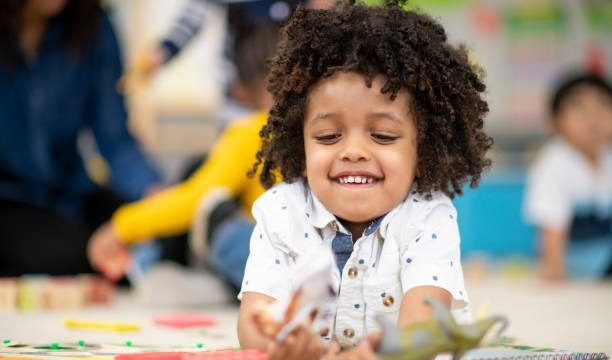
Play is the heart of early childhood development. It is through play that children express themselves, learn about the world, and, importantly, interact with their peers. When children engage in group activities, they naturally begin to understand the dynamics of teamwork. Whether they’re building a fort out of cushions or participating in a simple game, the act of working together fosters a sense of belonging and encourages them to consider others’ perspectives.
In group settings, children learn to share ideas and negotiate roles. For example, during a pretend play session, one child might want to be the doctor while another prefers to be the patient. This negotiation introduces them to the concept of compromise and helps them practice articulating their thoughts and feelings. It’s in these moments that the seeds of teamwork are sown, teaching them the importance of collaboration, patience, and understanding.
Creating a supportive environment
Creating a nurturing and supportive environment is crucial for encouraging teamwork among young children. This can be achieved by arranging spaces that promote interaction and collaboration. For instance, a classroom or play area designed with communal spaces can invite children to gather and engage with one another. Soft seating areas, shared materials, and open-ended toys can all facilitate group play and collaboration.
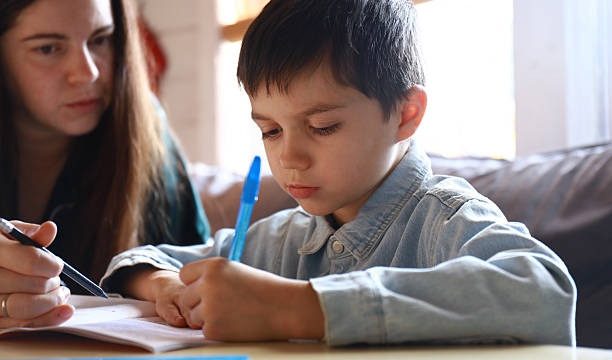
Additionally, adults play a key role in modeling teamwork behaviors. When caregivers and educators demonstrate cooperation in their interactions, children are more likely to mirror these behaviors. Simple acts, like working together to organize a play activity or discussing the importance of helping one another, can inspire children to embrace teamwork naturally. Adults can also gently guide children during conflicts, helping them to express their feelings and find mutually agreeable solutions.
Encouraging communication
Communication is at the heart of effective teamwork. Encouraging children to express their thoughts and feelings openly can enhance their ability to work together. Simple activities, such as circle time discussions or storytelling, can help children practice articulating their ideas and listening to others. These experiences not only build their vocabulary but also foster an environment where every voice is valued.
When children feel safe to share their opinions, they are more likely to engage with their peers and take risks in their interactions. Encouraging phrases like, “What do you think?” or “How can we solve this together?” can cultivate a culture of collaboration. Over time, children will learn that their contributions matter and that working together can lead to creative and exciting outcomes.
Fostering problem-solving skills
Teamwork often involves navigating challenges and finding solutions together. Introducing problem-solving activities can be a wonderful way to encourage teamwork in early childhood. Simple puzzles, building projects, or group art activities can provide opportunities for children to work together to achieve a common goal. These tasks not only stimulate critical thinking but also require children to communicate and collaborate effectively.
When children encounter obstacles, it’s important to guide them in discussing their thoughts and ideas. Rather than providing immediate solutions, ask open-ended questions that prompt them to think critically about their options. This approach helps them develop resilience and the ability to work through challenges as a team. Over time, they will learn that success is often a shared achievement, reinforcing the value of teamwork.
Celebrating achievements together
Recognizing and celebrating group accomplishments can significantly enhance the sense of teamwork among children. Whether it’s completing a project or simply enjoying a successful play session, taking the time to acknowledge these moments fosters a sense of pride and unity. Celebrations don’t have to be grand; a simple “Well done, everyone!” or a group high-five can go a long way in reinforcing the joy of working together.
Creating rituals around teamwork can also be a wonderful way to instill these values. Perhaps a weekly gathering to showcase group projects or a special time set aside for sharing stories of teamwork can build anticipation and excitement. These moments not only celebrate individual contributions but also highlight the beauty of collaboration, encouraging children to continue working together in the future.
The role of diversity
In any group, diversity enriches the experience. Encouraging teamwork among children from different backgrounds can enhance their understanding of various perspectives and cultures. Incorporating diverse stories, games, and activities can help children appreciate the uniqueness of their peers while learning to collaborate with individuals who may think or act differently.
Promoting an inclusive environment where every child feels valued and included is essential. This can be as simple as ensuring that all children have a chance to participate in activities or encouraging them to share their own experiences. By fostering an atmosphere of acceptance and respect, children can learn that teamwork is not just about working together but also about appreciating the diverse strengths that each individual brings to the table.
The journey ahead
Encouraging teamwork in early childhood is not just about preparing children for future group activities; it’s about nurturing essential life skills that will serve them well throughout their lives. As they learn to cooperate, communicate, and problem-solve together, they are also developing friendships and building a sense of community.
The journey of fostering teamwork in young children is filled with opportunities for growth and connection. By creating supportive environments, modeling positive behaviors, and celebrating achievements together, we can help children embrace the beauty of collaboration. In doing so, we lay the groundwork for a generation that values teamwork and understands its profound impact on both personal and collective success.