Helping Children Express Ideas Early
In a world brimming with information and experiences, the ability to express oneself becomes a vital skill, especially for children.
From the moment they take their first steps into the world, children are filled with thoughts, feelings, and ideas just waiting to be shared.
Nurturing their ability to articulate these thoughts not only fosters their creativity but also builds their confidence and social skills. Encouraging children to express themselves is a gentle journey that can enrich their lives and the lives of those around them.
Creating a Safe Space for Expression
One of the most significant steps in helping children express their ideas is ensuring they feel safe and comfortable. Children thrive in environments where they are encouraged to share their thoughts without fear of judgment. This can be achieved through simple gestures, such as active listening and showing genuine interest in what they have to say. When a child feels heard, it fosters a sense of belonging and encourages them to open up more.
Engaging in open conversations during everyday moments can be a great way to create this environment. Whether it’s during a family meal or a quiet moment before bedtime, asking open-ended questions can prompt children to share their thoughts. Questions like “What was your favorite part of today?” or “If you could create your own world, what would it look like?” can spark their imagination and encourage them to articulate their ideas.
The Power of Creative Play
Play is not just a pastime for children; it is a powerful tool for learning and expression. Through imaginative play, children are given the freedom to explore different scenarios, characters, and emotions. This form of expression helps them articulate their ideas and feelings in a way that feels natural and enjoyable.
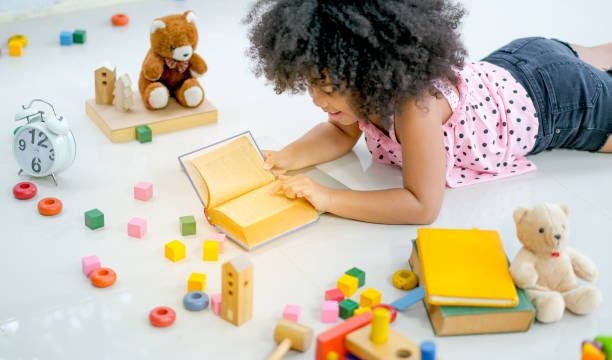
Providing a variety of materials for creative play—such as art supplies, costumes, or building blocks—can enhance this experience. When children are given the freedom to create, whether through drawing, storytelling, or role-playing, they learn to express themselves in diverse and meaningful ways. Encouraging them to share their creations with family or friends fosters a sense of accomplishment and pride in their ideas.
Encouraging Storytelling
Storytelling is a beautiful way for children to express their thoughts and experiences. It provides them with a platform to weave together their imagination and reality. Parents and caregivers can encourage this form of expression by sharing stories themselves and inviting children to join in. Reading together can also inspire children to create their own narratives.
When children recount their day or invent tales about far-off lands, they practice articulating their thoughts and emotions. This not only enhances their language skills but also helps them make sense of their experiences. By valuing their stories, we teach children that their voices matter, fostering a deeper connection to their own thoughts and feelings.
Modeling Expression
Children are keen observers and often mirror the behavior of the adults around them. By modeling healthy expression of thoughts and emotions, parents and caregivers can set a foundation for children to follow. Sharing personal experiences, discussing feelings, and expressing opinions in a respectful manner can demonstrate the importance of open communication.
When children see adults navigating their own feelings and ideas, they learn that it is okay to express themselves. This modeling can be particularly impactful during challenging moments. By discussing feelings of frustration or joy openly, we teach children that emotions are a natural part of life and can be communicated effectively.
The Role of Music and Movement
Music and movement are universal languages that can significantly aid in expression. Singing, dancing, or even playing an instrument allows children to convey emotions that words sometimes cannot capture. Engaging with music—whether through listening, dancing, or creating—can unlock a different avenue of expression for children.
Encouraging children to participate in music classes, dance lessons, or simply having family dance parties at home can be a joyful way to help them explore their feelings. These activities not only enhance their creative expression but also promote physical coordination and social interaction.
Fostering a Growth Mindset
Encouraging children to express their ideas also involves teaching them to embrace a growth mindset. This means helping them understand that making mistakes is a part of the learning process. When children feel free to express their ideas without the fear of being perfect, they are more likely to take risks and explore new avenues of thought.
Praising effort over outcome can reinforce this mindset. Celebrating the process of expression—whether it’s a drawing that didn’t turn out as planned or a story that took an unexpected turn—can help children develop resilience and confidence in their abilities.
Connecting with Nature
Nature has a unique way of inspiring creativity and expression. Spending time outdoors can stimulate a child’s imagination, leading to new ideas and perspectives. Whether it’s a walk in the park, a visit to the beach, or simply playing in the backyard, nature offers endless opportunities for exploration and expression.
Encouraging children to observe their surroundings and share what they see, feel, and think can deepen their connection to the world around them. Nature journaling, where children draw or write about their experiences outdoors, can be a delightful way for them to articulate their thoughts while fostering a love for the environment.
Incorporating Technology Thoughtfully
In our digital age, technology can also play a role in helping children express their ideas. There are many apps and platforms designed to encourage creativity, whether through digital storytelling, art creation, or music composition. However, it’s essential to approach technology mindfully and balance it with hands-on activities.
Encouraging children to share their creations online can also help them feel a sense of community and connection. Engaging with peers through creative projects can inspire them to express their thoughts and ideas in new ways.
The Journey of Expression
Ultimately, helping children express their ideas early is a gentle and rewarding journey. It requires patience, encouragement, and a nurturing environment where their voices can flourish. By providing them with the tools and opportunities to express themselves, we not only support their development but also cultivate a future generation of confident communicators and creative thinkers.
As we guide our children on this path, we also learn from them. Their unique perspectives and imaginative ideas can inspire us to see the world through fresh eyes. In this beautiful exchange of thoughts and creativity, we all grow together, celebrating the wonder of expression in its many forms.